
Thinking about getting lime render for your place in Bristol? It’s a solid choice, especially for older homes, but let’s be real, the big question is usually about the cost. How much are we talking about, and what makes that price go up or down? This guide is here to break it all down for you. We’ll cover what lime render actually is, its good and bad points, and give you a clear picture of the expenses involved. Plus, we’ll look at those other costs you might not have thought of, so you can make a smart decision for your project. We can even help you find local lime render pros to get a few quotes.
Key Takeaways
Lime render is a natural, breathable finish made from lime, sand, and water, great for historic buildings in Bristol because it lets walls breathe and manage moisture.
It’s more flexible than cement renders, meaning less cracking, and offers a classic look that suits older properties.
The cost for lime rendering in Bristol can range from about £5,280 for a terraced house up to £14,900 for a larger detached one, averaging around £7,000.
Expect extra costs for things like scaffolding hire, skip hire for waste removal, and potentially removing old render, which can add significantly to the total price.
Hiring skilled professionals is really important for lime render work; they have the know-how to apply it correctly, which affects its longevity and performance, even if it costs a bit more upfront.
Understanding Lime Render in Bristol
So, you’re looking into lime render for your place in Bristol? It’s a bit of a buzzword these days, especially for older homes, and for good reason. It’s not just some fancy new trend; it’s a material with a long history that works really well with the kind of buildings we have around here.
What Is Lime Render?
Basically, lime render is a type of external wall finish. It’s made from a mix of lime, sand, and usually some water, sometimes with natural fibres thrown in for good measure. Think of it as a traditional plaster for the outside of your house. Unlike the cement or acrylic renders you see on a lot of newer builds, lime render is designed to be breathable. This means it lets moisture vapor escape from your walls, which is a big deal for older properties that weren’t built with modern, sealed-up construction in mind. It gives a softer, more natural look that really suits the character of historic homes.
The Benefits of Lime Render
Why choose lime render? Well, there are a few good reasons. For starters, it’s fantastic for preserving older buildings. Because it lets walls breathe, it helps prevent damp issues that can really damage historic structures over time. It’s also more flexible than cement-based renders, meaning it’s less likely to crack when your building settles a bit. Plus, it’s made from natural materials, so it’s a bit kinder to the environment. It just looks good, too – a classic, soft finish that complements period properties beautifully.
Here’s a quick rundown of the upsides:
Breathability: Lets moisture out, reducing damp risks.
Flexibility: Moves with the building, so fewer cracks.
Aesthetics: Provides a natural, attractive finish.
Eco-friendly: Made from natural, sustainable materials.
Lime Render vs. Other Exterior Finishes
When you compare lime render to other options, the main difference is that breathability factor. Modern cement renders, for example, are much harder and less flexible. They can seal moisture inside the walls, which is a big problem for older buildings that need to let water vapor escape. Acrylic renders are also quite rigid and can trap moisture. While these modern finishes might be quicker to apply or cheaper initially, they don’t offer the same protective qualities for traditional properties. Lime render is a more compatible choice for historic buildings, helping to maintain their integrity. You can find out more about breathable plasters and lime mortars and why they’re important for older structures.
It’s important to know that ‘lime render’ and ‘limestone render’ aren’t the same thing. Lime render is the actual material. Limestone render usually refers to a style or finish that looks like cut stone or has limestone chippings for texture.
The Cost of Lime Rendering Your Property
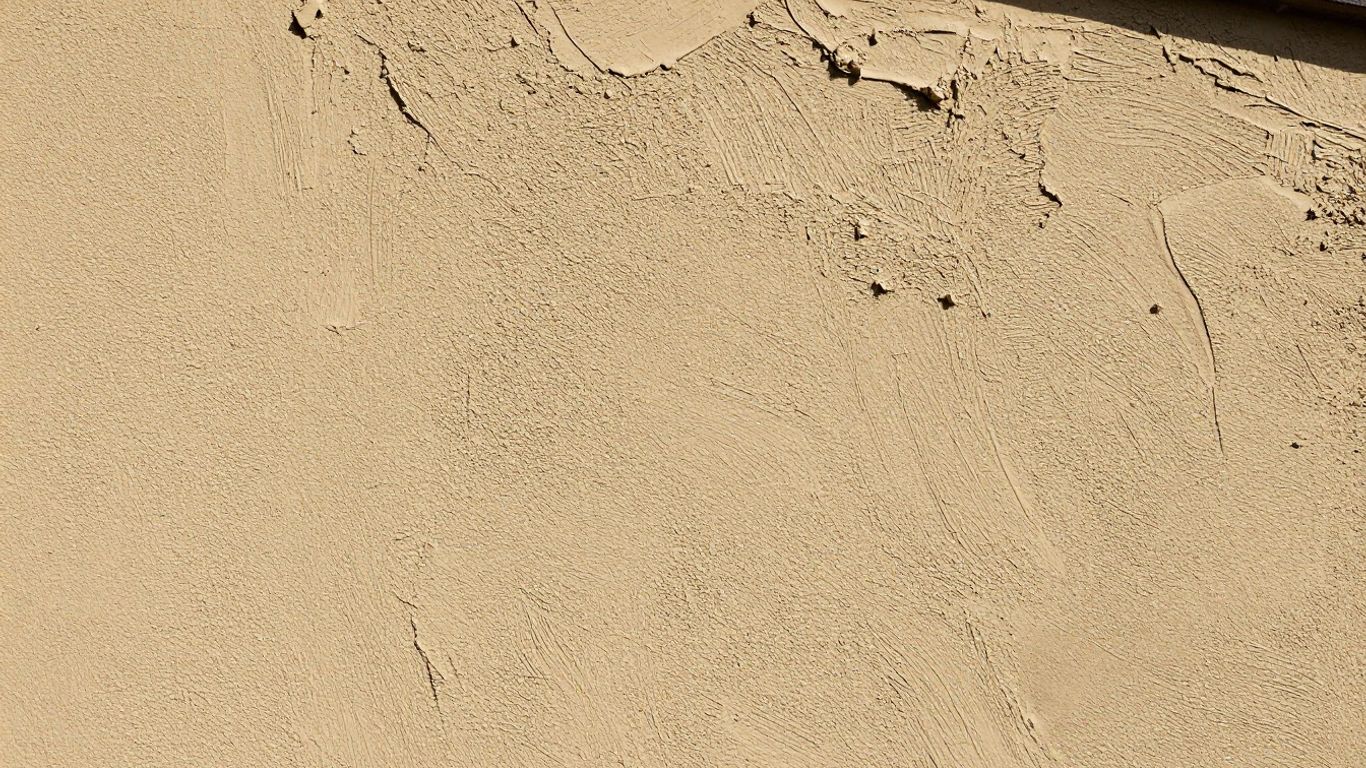
So, you’re thinking about lime rendering your place in Bristol? It’s a fantastic choice for your home, but let’s get down to brass tacks: the cost. It’s not exactly a small project, and figuring out the price tag can feel a bit like a puzzle.
The average cost for lime rendering a property can land somewhere around £7,000, but honestly, that’s just a ballpark figure. It really depends on a bunch of things, and we’ll break those down for you.
Average Lime Render Costs in Bristol
When you’re looking at quotes, you’ll see prices can swing quite a bit. For plastering services in Bristol, general wall skimming might cost you between £381 and £683. Rendering, however, is a bigger job and usually falls in the £876 to £2935 range, with an average of about £1609. Lime rendering, being a more specialized job, often sits at the higher end of these figures, sometimes even more, depending on the specifics.
Here’s a rough idea of what you might expect, based on property type:
Type of House | Approx. Area (m²) | Cost at £60/m² | Cost at £100/m² | Estimated Time |
|---|---|---|---|---|
Terraced | 88 | £5,280 | £8,800 | 2 days |
Semi-detached | 97 | £5,820 | £9,700 | 5 days |
Detached | 149 | £8,940 | £14,900 | 8 days |
Bungalow | 77 | £4,620 | £7,700 | 6 days |
Keep in mind these are just estimates for the rendering itself. There are other costs to think about, which we’ll get into.
Factors Influencing Lime Render Pricing
Several things can nudge the price up or down. The type of lime mix you choose plays a role – some are more expensive than others. Then there’s the labour. Skilled lime renderers, who really know their stuff, might charge a bit more, but their careful work can save you headaches and repair bills down the line. It’s a bit like hiring a specialist for a tricky job; you pay for the know-how.
Here’s a quick look at how lime render stacks up against other external finishes:
Material | Average Cost per m² | Primary Use |
|---|---|---|
Lime Render | £60 – £100 | External (Breathable, traditional) |
Monocouche Render | £35 – £75 | External (Modern, one-coat) |
Acrylic / Polymer Render | £30 – £45 | External (Thin coat, flexible) |
Cement Render | £40 – £60 | External (Modern, must be painted) |
Lime Plaster | £50 – £90 | Internal (Breathable) |
The higher cost of lime render compared to modern alternatives often comes down to the specialist skills needed, the longer application and curing times, and the extra care required to maintain its breathable and flexible qualities. It’s an investment in a traditional, long-lasting finish.
Cost Breakdown for Different Property Types
As you saw in the table above, the size and type of your property are major cost drivers. A larger detached house will naturally cost more to render than a smaller terraced one, simply because there’s more surface area to cover. The complexity of the building’s shape also matters; lots of nooks, crannies, and detailed features mean more time and effort for the renderer. If your property is particularly exposed to harsh weather, you might need a specific type of lime render, which could also affect the price. Getting a good lime render quote is key to understanding these variations for your specific home.
Additional Expenses for Lime Render Projects
So, you’re thinking about getting your place lime rendered? That’s great! It’s a fantastic choice for many homes, especially older ones. But before you get too far into picturing that beautiful, breathable finish, let’s talk about the stuff that isn’t always in the main quote. You know, the little extras that can pop up and add to the overall cost. It’s always better to be prepared, right?
Scaffolding Hire Considerations
Unless you’re working on a very small section or a single-story extension, you’re almost certainly going to need scaffolding. This isn’t just for the renderers to stand on; it’s for safety and to give them proper access to the whole area they’re working on. The cost can really add up, depending on how big your house is and how long you need it for. Think about it like renting a temporary structure for your house, and that comes with a price tag. A rough idea is that scaffolding can cost anywhere from £20 to £25 per square metre, and a week’s hire could be anywhere from £200 to £800. It really depends on the scale of the job.
Skip Hire for Waste Removal
If your property already has an old render on it, that’s got to go somewhere. You can’t just pile it up in the garden! Hiring a skip is usually the most straightforward way to deal with all the debris. A standard 6-yard skip is often a good size for this kind of work. The price for a skip can be around £200, though this can vary a bit depending on your location. It’s worth chatting with your renderer about the size of skip you’ll need so you don’t end up paying for one that’s too big or too small. Getting the right size skip is important for keeping costs down.
Potential Costs for Old Render Removal
Sometimes, the old render has to come off before the new lime render can go on. This isn’t always the case, but if it is, it’s a job that adds time and labour. The amount of work involved can really change the price. For example, removing render from a terraced house might take about a day and cost between £1,500 and £3,000. For a larger detached house, it could take several days and cost upwards of £5,000 to £8,000. It’s a messy job, and it requires careful work to make sure the underlying wall is ready for the new render. Your contractor will be able to give you a better idea after they’ve had a look at your property.
It’s easy to get caught up in the cost of the materials and the main application of the lime render itself. However, don’t forget to factor in these additional expenses. They might seem small individually, but they can add a significant amount to your project’s total budget. Being aware of them upfront means fewer surprises down the line.
Here’s a quick look at what you might expect for removal:
Terraced House: Expect around 1 day of work, with costs potentially ranging from £1,500 to £3,000.
Semi-Detached House: This might take about 2 days, with costs typically between £3,000 and £5,000.
Detached House: For larger properties, this could take 3-4 days and cost anywhere from £5,000 to £8,000.
These figures are just estimates, of course. The actual cost will depend on the condition of the existing render and how difficult it is to remove. If you’re looking for specialists in traditional building methods, you might find lime plastering services in Bristol can provide quotes that include these preparatory stages.
Choosing the Right Lime Render Options
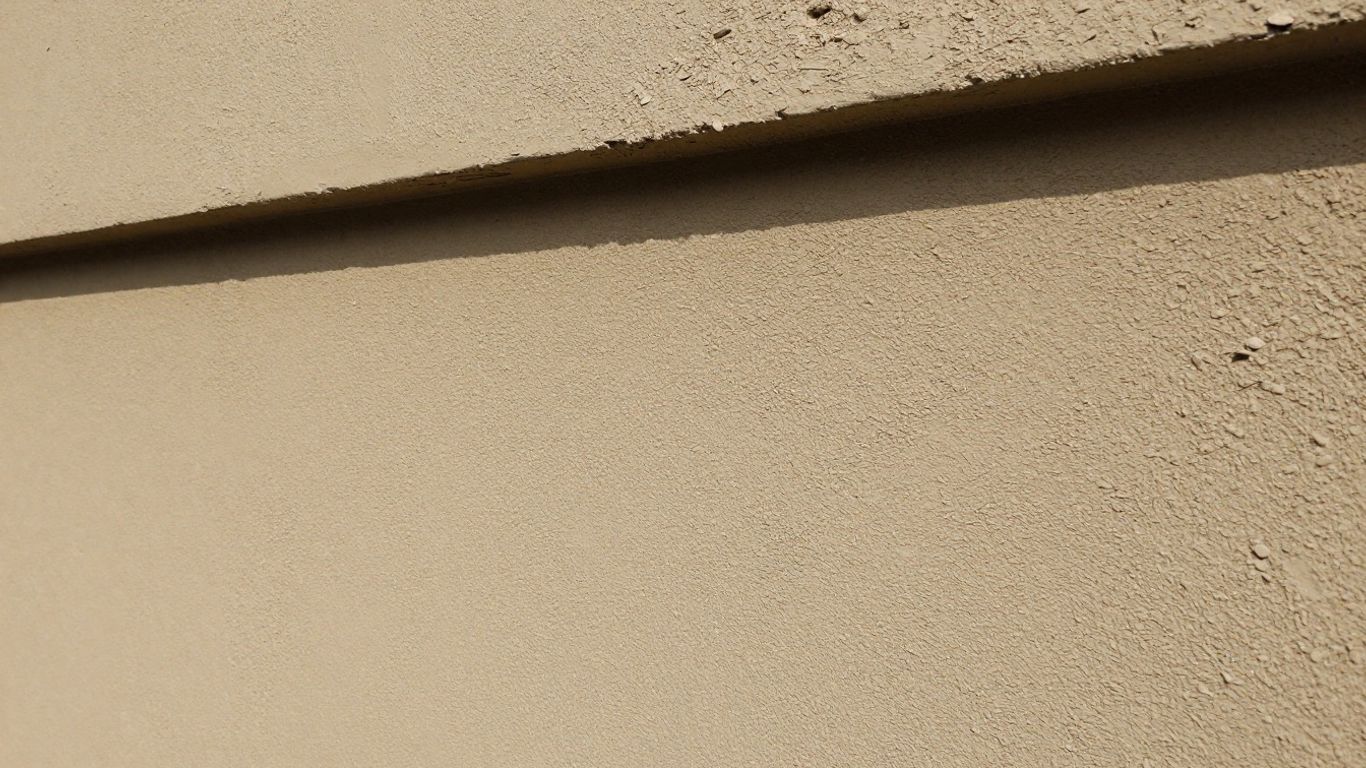
When you’re looking at lime render for your Bristol home, you’ll find there isn’t just one type. The kind of lime you choose can really affect how the render performs, how long it takes to set, and even how easy it is to work with. It’s not a one-size-fits-all situation, and picking the right one is pretty important for getting the best results.
Quicklime: Pros and Cons
Quicklime, also known as calcium oxide, is made by heating limestone really hot. When you add water to it, it gets quite warm and turns into calcium hydroxide. This process means you’ve got to be a bit careful when handling it, as it can cause burns if you’re not wearing gloves. Once it’s mixed with sand, you get lime putty, which is what you use for rendering. It’s generally cheaper than other options, which is a plus. However, it takes longer to set, and the handling precautions mean it’s not always the easiest to use, especially if you’re new to it.
Hydrated Lime: A Practical Choice
Hydrated lime is basically calcium hydroxide that’s already been mixed with water, so it comes as a powder ready to go. This makes it a lot less hazardous to handle compared to quicklime – no risk of burns here. Many contractors prefer it for this reason. It’s permeable, which is great for letting your walls breathe, and it’s generally more durable than quicklime. The main downside is that it’s a bit more expensive than quicklime, but for many, the ease of use and safety make it a worthwhile trade-off.
Hydraulic Lime for Exposed Conditions
Hydraulic lime is a bit different because it can set even when it’s underwater, or in damp conditions. This makes it a really solid choice for areas that get a lot of weather, like places near the coast or buildings that are just generally exposed to the elements. It’s made by burning limestone that has some clay in it, or by adding special materials. The big advantages are that it sets faster and is super durable in tough weather. The catch? It can’t really set properly if it’s completely dry, so you need to be mindful of the application conditions. If you’re looking for a render that can stand up to harsh weather, hydraulic lime is definitely worth considering.
Choosing the right type of lime render is key to a successful project. It impacts everything from the application process to the long-term performance of your building’s exterior. Don’t rush this decision; consider your property’s location, exposure to weather, and your budget.
Maintaining Your Lime Render Finish
So, you’ve got this great lime render on your Bristol home, and you’re wondering how to keep it looking good for years to come. It’s not rocket science, but it does need a bit of attention. Think of it like looking after a good quality piece of furniture – a little care goes a long way.
How Long Does Lime Render Last?
When it’s put on right and looked after properly, lime render is pretty tough stuff. You can realistically expect it to last anywhere from 20 to 30 years. Of course, the weather plays a big part. Constant wind, driving rain, and salty air near the coast can wear it down over time. Even strong sun can make the colour fade a bit. But honestly, for a finish that’s so breathable and flexible, that’s a pretty solid lifespan.
Routine Cleaning and Care
Cleaning your lime render is a good idea at least once a year. It just helps get rid of the everyday dust and grime that builds up. Now, when it comes to cleaning, gentle is the name of the game. You really want to avoid high-pressure washing, as it can actually damage the render, causing little cracks or even stripping away the surface. A softer approach, sometimes called a soft-wash method, is much better. You can find specific cleaning solutions for render, usually costing between £10 and £17, which work well without being too harsh. If you do use a pressure washer, make sure it’s on a wide fan setting and on the lowest pressure possible.
Addressing Cracks and Repairs
Lime render is known for being flexible, which means it can handle the natural movement of your house without cracking up too much. Sometimes, though, little hairline cracks can appear, especially as the render dries out initially. You can often deal with these by gently working over the area with a float and a bit of water. If you’ve got bigger issues, like significant cracks or areas where the render has come away, it’s best to get them sorted sooner rather than later. For larger cracks, the process usually involves carefully widening the crack, cleaning it out, and then applying new render, often with a reinforcing mesh, before finishing it off. It’s a bit like patching up a hole in your favourite jumper – you want to do it neatly so it doesn’t look obvious.
It’s important to remember that lime render needs to breathe. This means you shouldn’t cover it with non-breathable materials, as this traps moisture and defeats the purpose of using lime in the first place. If you’re ever thinking about re-rendering over an old surface, make sure any old cement render is completely removed first.
Here’s a quick rundown of what to keep in mind:
Annual Cleaning: A yearly gentle clean prevents build-up.
Gentle Washing: Avoid high-pressure washing; opt for soft-wash methods.
Prompt Repairs: Address small cracks before they become big problems.
Breathability is Key: Never cover lime render with non-breathable coatings.
If you’re unsure about any repairs or cleaning methods, it’s always a good idea to consult with a professional who specialises in lime render repairs. They’ll know exactly what your finish needs to keep it in top condition.
Hiring Professionals for Lime Render Bristol
So, you’ve decided lime render is the way to go for your Bristol property. That’s great! It’s a fantastic choice, especially for older homes, because it lets your walls breathe. But here’s the thing: lime render isn’t like slapping on some modern cement. It needs a bit of a special touch, and that means you really need someone who knows their stuff.
Why Specialist Skills Are Crucial
Look, anyone can mix up some plaster, right? Well, not really when it comes to lime. Lime render has different properties – it cures slower, it’s more flexible, and it needs to be applied in a way that keeps your walls healthy. If it’s not done right, you can end up with cracks, damp issues, or just a finish that doesn’t look as good as it should. Finding a renderer experienced specifically with lime is key to a long-lasting, beautiful finish. It’s not just about applying a coat; it’s about understanding the material and how it interacts with your specific building. For heritage properties, this is even more important, as you want to preserve the building’s character and integrity. You can find specialists who focus on heritage lime services.
Understanding Guarantees and Warranties
When you’re paying for a job like this, you want some peace of mind. Ask any potential renderer what kind of guarantee they offer on their work. Most reputable professionals will stand by their application. This doesn’t mean they’ll fix every tiny hairline crack that might appear over years (lime does move a bit, it’s natural!), but it should cover any major issues that arise from poor workmanship. A good guarantee shows they’re confident in their skills and the materials they use. It’s also a good sign if they offer advice on how to care for your new render once the job is done.
Tips for Selecting a Lime Renderer
Choosing the right person or team can feel a bit overwhelming, but breaking it down helps. Here’s a quick checklist:
Ask About Experience: Don’t be shy! Ask them directly if they’ve worked with lime render before, how much, and on what types of properties. A portfolio or photos of past work are a must.
Check Insurance: Make sure they have public liability insurance. Accidents can happen, and you want to be covered if something goes wrong.
Get Multiple Quotes: Don’t just go with the first person you talk to. Get at least three detailed quotes. Make sure they all break down the costs, including materials, labour, and any scaffolding needed. This helps you compare apples to apples.
References: Ask for references from previous clients. A quick call to one or two past customers can tell you a lot about their reliability and the quality of their work.
Gut Feeling: Sometimes, you just get a good vibe from someone. Do they communicate clearly? Do they seem knowledgeable and professional? Trust your instincts.
Remember, the average cost for lime rendering can be around £7,000, and it often takes about 5 days to complete, depending on the size of your house. Getting the right professional on board from the start means you’re more likely to get a result you’ll be happy with for years to come. The average cost can vary, so getting detailed quotes is important.
The application of lime render is a craft that requires patience and a deep respect for the building’s existing structure. It’s not a race; it’s about allowing the material to perform as it’s designed to, working with the building, not against it. A skilled renderer understands this balance.
So, What’s the Verdict on Lime Render?
Alright, so we’ve talked a lot about lime render – what it is, why it’s good for older homes, and yeah, how much it might cost you. It’s definitely not the cheapest option out there, and it takes a bit more time and know-how than some of the newer stuff. But, if you’ve got a character property in Bristol, or anywhere really, that needs a breathable, flexible finish that’ll last for ages, lime render could be a really solid choice. Just make sure you get a few quotes from people who actually know their stuff with lime, and factor in things like scaffolding. It’s an investment, for sure, but one that could protect your home for decades to come.
Frequently Asked Questions
What exactly is lime render?
Lime render is a special kind of coating for the outside walls of your house. It’s made from natural stuff like lime, sand, and sometimes plant fibers. Unlike modern coatings, it’s ‘breathable,’ meaning it lets moisture escape, which is great for older homes. It’s also a bit flexible, so it can move a little with the house without cracking easily.
Why is lime render more expensive than other options?
Lime render often costs more because it needs special skills to put on correctly. It also takes longer to apply and dry than regular cement or acrylic renders. Think of it like hiring a skilled artist versus a general painter – the artist takes more time and knows more, so they charge more, but the result is often better and lasts longer, especially for older buildings.
How long will lime render last on my house?
If you take good care of it, lime render can last a really long time, usually between 20 to 30 years. It’s tough stuff, but things like harsh weather, strong winds, and even salty air can wear it down over time. Regular cleaning helps it stay in good shape.
Does lime render crack easily?
Actually, lime render is known for being flexible! It’s designed to handle the small movements that buildings naturally make over time. When mixed with things like hair or fibers, it becomes even stronger and less likely to crack compared to rigid cement renders. So, it’s a good choice for preventing cracks.
Can I put lime render over my existing old render?
No, you really shouldn’t. If your current render is made of cement, it’s not ‘breathable.’ Putting lime render, which needs to breathe, on top of it would trap moisture inside your walls. This can cause problems like damp and mold. The old cement render usually needs to be completely removed first.
How do I clean and maintain my lime render?
You should clean your lime render at least once a year to keep it looking good and prevent dirt buildup. Be gentle with it! If you use a pressure washer, make sure it’s on a low setting and use a wide fan spray. You can also buy special cleaners that aren’t too harsh. Just avoid strong chemicals or high pressure.