
So, you’re wondering how long does plastering take? It’s a common question when you’re planning renovations or even just a small room refresh. Getting a handle on the timeline is super helpful for scheduling everything else, like painting or wallpapering. It’s not a simple ‘one size fits all’ answer, as a few things can change the time it takes. But don’t worry, we’ll break down what you can expect, from plastering a single wall to doing a whole house.
Key Takeaways
Plastering a whole room typically takes between 1 to 3 days, though a quick skim might be done in a day.
Plastering a single wall can take around 3-4 hours, while a ceiling might take 8-12 hours.
Skimming a room is faster than a full replaster, usually taking about a day.
Factors like room size, wall condition, and the complexity of the finish (like coving) significantly affect how long plastering takes.
Plaster needs time to dry, which can range from a few days for a skim coat to several weeks for thicker applications or lime plaster, and rushing this can cause problems.
Understanding Plastering Timelines
When you’re planning a renovation or just sprucing up a room, figuring out how long plastering will take is a big part of the puzzle. It’s not just about the time spent actually applying the plaster; you’ve also got to consider all the prep work and, importantly, the drying time. Rushing any of these steps can lead to problems down the line, like cracks or paint that just won’t stick.
How Long Does It Take To Plaster A Room?
This is the million-dollar question, right? Well, the honest answer is: it depends. For a standard-sized room, say around 12×15 feet, you’re probably looking at anywhere from one to three days for the actual plastering work. This usually involves a couple of coats. But remember, this doesn’t include the prep or the drying. If you’re just skimming over existing plaster, it’ll be quicker than a full replaster.
Factors Influencing Plastering Duration
Several things can speed up or slow down the plastering process. The size of the room is obvious, but the condition of the existing walls matters a lot. Are they super uneven? Do they need a lot of repair before plaster can even go on? That adds time. The type of plaster used also plays a role; some set faster than others. And let’s not forget the complexity – are there lots of awkward corners or features to work around? All these details add up.
The Role Of Preparation In Plastering Time
Don’t underestimate the prep work! This is where a lot of time can be spent, but it’s super important for a good finish. It involves things like clearing the room, protecting your floors and furniture, cleaning the walls, and maybe even fixing any minor damage. For a really good job, you might need to apply a bonding agent or even plasterboard. This stage can easily add another day or two to your project before the plaster even hits the wall. A good plasterer will always spend ample time on preparation.
Proper preparation is key to a smooth plastering job. It ensures the new plaster adheres well and creates a durable, even surface for decoration. Skipping this stage often leads to more work and frustration later on.
Estimating Plastering Time For Different Areas
When you’re planning a renovation, figuring out how long each part of the job will take is super important for scheduling everything else. Plastering is no different, and the time it takes can really change depending on what exactly you’re plastering. It’s not just about the whole room; sometimes you’re just tackling a single wall or maybe just the ceiling.
How Long Does It Take To Plaster A Single Wall?
Plastering a single wall is usually a quicker job, especially if it’s just a skim coat over existing plaster or plasterboard. A skilled plasterer can often get a standard-sized wall done in about 3 to 4 hours. This estimate assumes the wall is in decent shape and doesn’t need a ton of prep work, like removing old, crumbling plaster or wallpaper. If you’re dealing with a wall that needs a lot of attention before plastering can even start, you’ll need to add more time for that prep phase.
Time Required To Plaster A Ceiling
Ceilings can be a bit trickier and often take longer than walls. For a straightforward ceiling, you’re probably looking at anywhere from 8 to 12 hours. This often includes fitting plasterboard if it’s not already there, followed by a skim coat. If the ceiling is unusually high, your plasterer might need extra time to set up scaffolding or other equipment to safely reach the area. This setup time needs to be factored in, adding to the overall project duration.
Plastering An Entire Room: A General Estimate
When it comes to plastering a whole room, the time can really vary. For a typical room, a plasterer might spend anywhere from one to three days on the job. This includes all the prep, applying the plaster, and getting it ready for finishing. However, larger rooms or those with complex layouts will naturally take longer. It’s also worth remembering that plasterers usually try to complete walls in one go to avoid visible seams, so if a room is very large, they might need to bring in more than one person to get it all done within a single working day.
It’s always a good idea to get a detailed quote from your plasterer that breaks down the estimated time for each stage, including preparation and drying. This helps manage expectations and plan your next steps, like painting or wallpapering.
Considering Skimming Versus Full Plastering
When you’re looking to refresh your walls, you’ll often hear two terms thrown around: skimming and full plastering. They sound similar, but they’re quite different, especially when it comes to the time they take. Understanding this difference is key to planning your project timeline.
How Long Does It Take To Skim A Room?
Skimming is generally a much quicker process than a full plaster job. Think of it as a thin, smooth coat applied over existing surfaces, like old plaster or plasterboard. For a standard-sized room, a professional plasterer can often complete the skimming in about a day. This is because it’s a single-layer application, focused on creating a smooth, decoration-ready finish without the need for multiple coats. It’s a great option if your walls are in decent shape but just need a bit of a facelift to cover minor imperfections or prepare for a new look. If you’re dealing with a really large space or if there’s a lot of prep work needed, like fixing damaged plasterboard, it might stretch into a second day.
When Skimming Is A Quicker Alternative
Skimming really shines when you need a fast turnaround. It uses fewer materials and requires less labor compared to a full replaster. This makes it a more budget-friendly choice too. It’s ideal for situations where you have walls with small cracks, nail holes, or an uneven surface that needs smoothing out before painting or wallpapering. It’s not suitable for walls that are severely damaged or crumbling, as those will need a more robust solution. Essentially, if the underlying structure is sound, skimming is your go-to for a speedy refresh. You can often get a room ready for decoration in just a day or two of work, significantly cutting down on project time compared to a full plaster job. This is why skimming is a faster and more cost-effective alternative to traditional plastering.
The Difference In Time For Full Replastering
Full plastering, on the other hand, involves applying multiple coats of plaster, often starting with a rougher base coat and finishing with a smooth top coat. This multi-layer approach takes considerably longer, not just in application but also in drying time between coats. While skimming might take a day, a full replaster of a room could easily span two to three days of actual work. This is especially true if the existing walls need to be completely stripped back or if there are structural issues to address. The drying time between each coat is also a significant factor; each layer needs to set properly before the next can be applied, and then the whole lot needs to dry before decorating. This extended process means a full replaster is a much bigger commitment in terms of time and disruption. It’s the more thorough option, but definitely not the quickest way to get your walls ready for paint.
Application Time: Skimming is typically one day; full plastering can be two to three days.
Drying Time: Skimming dries faster, often ready for decoration in a few days, while full plastering requires longer drying periods between coats and for the final finish.
Preparation: Extensive prep work, like removing old plaster or repairing significant damage, adds considerable time to both methods, but is more common with full plastering.
When deciding between skimming and full plastering, consider the condition of your existing walls. If they are structurally sound but just need a smooth finish, skimming is likely your best bet for saving time and money. However, if there’s significant damage or you’re looking for a complete overhaul, full plastering, while longer, is the more appropriate and durable solution.
Factors Affecting Plastering Project Length
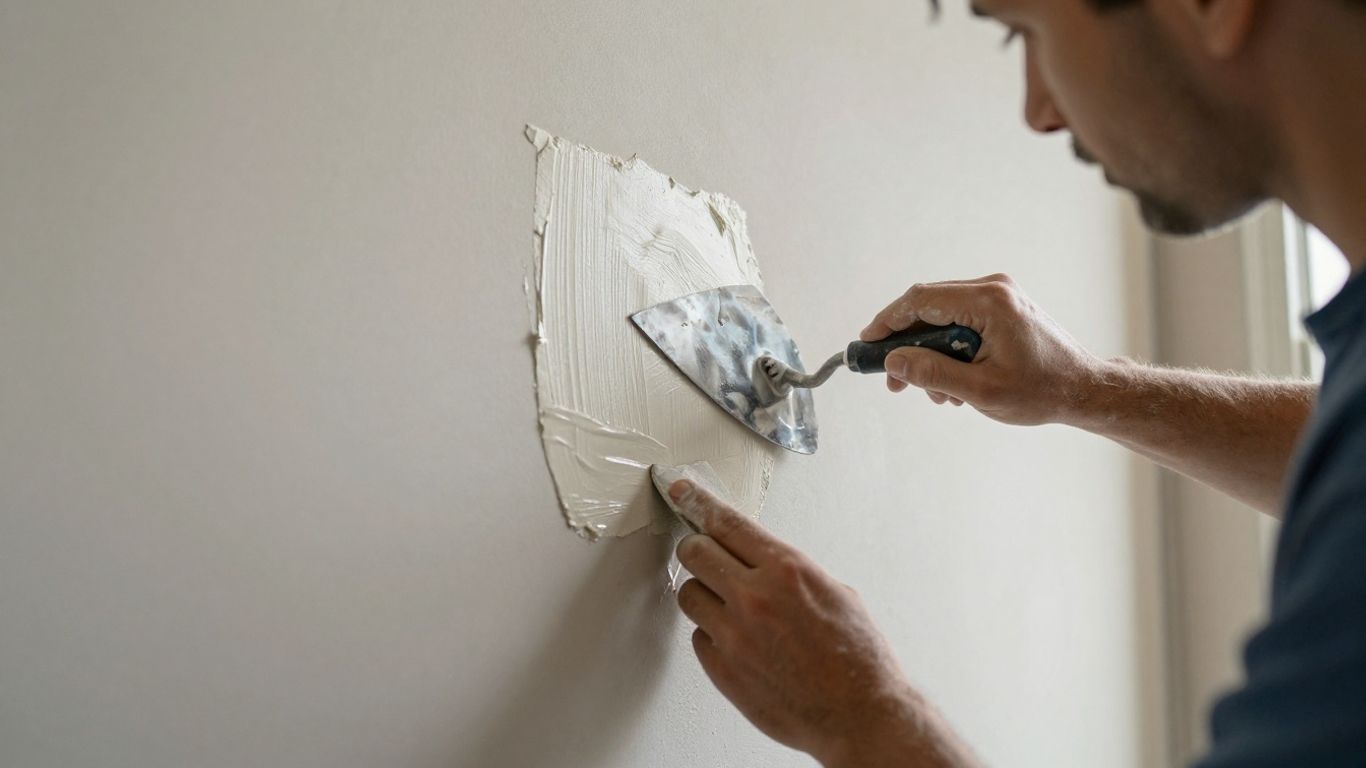
So, you’re wondering how long this whole plastering thing will take? Well, it’s not a one-size-fits-all answer, that’s for sure. A bunch of things can really change the timeline, from the size of the space to how much work needs doing.
Room Size and Complexity
This one’s pretty obvious, right? A tiny bathroom is going to take way less time than a massive living room. But it’s not just about square footage. Think about the shape of the room, too. Lots of nooks, crannies, or awkward corners mean more cutting in and fiddly bits, which adds time. High ceilings can also be a factor, as they require more effort and potentially scaffolding or taller ladders.
Condition of Existing Walls
This is a biggie. If your walls are already in pretty good shape, maybe just needing a bit of smoothing over, that’s one thing. But if you’ve got crumbling plaster, deep cracks, or old wallpaper that’s a nightmare to remove, you’re looking at a lot more prep work. This could involve stripping back to the brick, repairing damage, or even applying a bonding agent. The state of the existing surface really dictates how much time you’ll spend before the actual plastering can even begin. Sometimes, you might need to consider specific plaster bonding agents if the substrate isn’t ideal plaster bonding.
Intricacy of Finishes and Features
Are you going for a super smooth, modern finish, or something more textured? The level of detail you want makes a difference. Features like archways, decorative cornices, or built-in shelving all require extra care and time. If you’re plastering around existing features, like fireplaces or window frames, that also adds complexity. A simple, flat wall is much quicker than a wall with lots of architectural details.
Here’s a rough idea of how complexity can impact time:
Simple Walls: Straightforward, flat surfaces with minimal interruptions. These are the quickest to plaster.
Moderate Complexity: Rooms with standard features like doors, windows, and basic cornices. Expect a moderate increase in time.
High Complexity: Spaces with numerous corners, alcoves, high ceilings, decorative mouldings, or intricate features. These will take the longest.
Don’t forget that plastering isn’t just about slapping it on. It’s a process that involves careful application, smoothing, and often multiple coats. Each step needs to be done right to get a good result, and that takes time and skill.
For example, plastering a standard wall might follow a general production rate, but adding columns or soffits will change the time needed per square meter plastering rates. It’s always better to budget a little extra time than to rush and end up with a less-than-perfect finish. Remember, good plastering is all about patience and precision.
The Crucial Drying Times For Plaster
So, you’ve got your walls all plastered, looking smooth and ready for the next step. But hold on a minute! Plaster doesn’t just dry instantly. It’s a process, and a really important one at that. Rushing this stage can cause all sorts of headaches down the line. Think cracks, paint that peels, and a finish that just doesn’t look right. It’s better to be patient here.
How Long Does Plaster Take To Dry?
The time it takes for plaster to dry really depends on a few things. For a standard skim coat over plasterboard, you’re usually looking at about 3 to 5 days. If it’s a thicker, multi-coat plaster job on brick or blockwork, that can stretch out to a couple of weeks, maybe 7 to 14 days. And if you’re going for traditional lime plaster, well, that’s a whole different ballgame – it can take anywhere from 2 to 4 weeks to fully dry out. It’s a bit like waiting for a good meal to cook; good things take time.
Understanding Plaster Drying Stages
Plaster goes through a few phases as it dries. Initially, it sets, which is when it hardens up enough to hold its shape. This usually happens within a day or two. After that comes the actual drying, where the moisture evaporates. You’ll notice the color change; wet plaster is often darker, and as it dries, it becomes a lighter, more uniform shade. A good sign it’s dry is when it’s a consistent pale color all over, feels cool but not damp, and there are no dark patches left.
Factors That Impact Plaster Drying Speed
Several things can speed up or slow down how long your plaster takes to dry. The type of plaster is a big one, as we’ve seen. The surface it’s applied to matters too – plasterboard dries faster than solid masonry. The thickness of the plaster layer plays a role; thicker coats mean more moisture to get rid of. Room conditions are also key. High humidity will slow things down, while good ventilation helps speed it up. However, you don’t want to force it too much.
Here’s a quick rundown of what affects drying:
Type of Plaster: Gypsum is quicker than lime.
Number of Coats: A single skim dries faster than multiple layers.
Surface Material: Plasterboard dries faster than brick.
Room Conditions: Humidity and airflow make a difference.
Thickness: Thicker plaster takes longer.
Trying to speed up plaster drying with direct heat, like blasting a radiator, is usually a bad idea. It can make the plaster dry unevenly, leading to cracks and a poor finish. It’s much better to let it dry naturally or use gentle methods like opening windows for airflow or using a dehumidifier on a low setting in very damp rooms.
If you’re unsure if your plaster is ready for painting or decorating, it’s always best to wait a little longer or get a professional opinion. Painting over plaster that isn’t fully dry can cause problems with adhesion and lead to bubbling or peeling paint later on. Patience now saves a lot of trouble later, and ensures you get that perfect finish you’re aiming for.
Professional Plastering Timelines
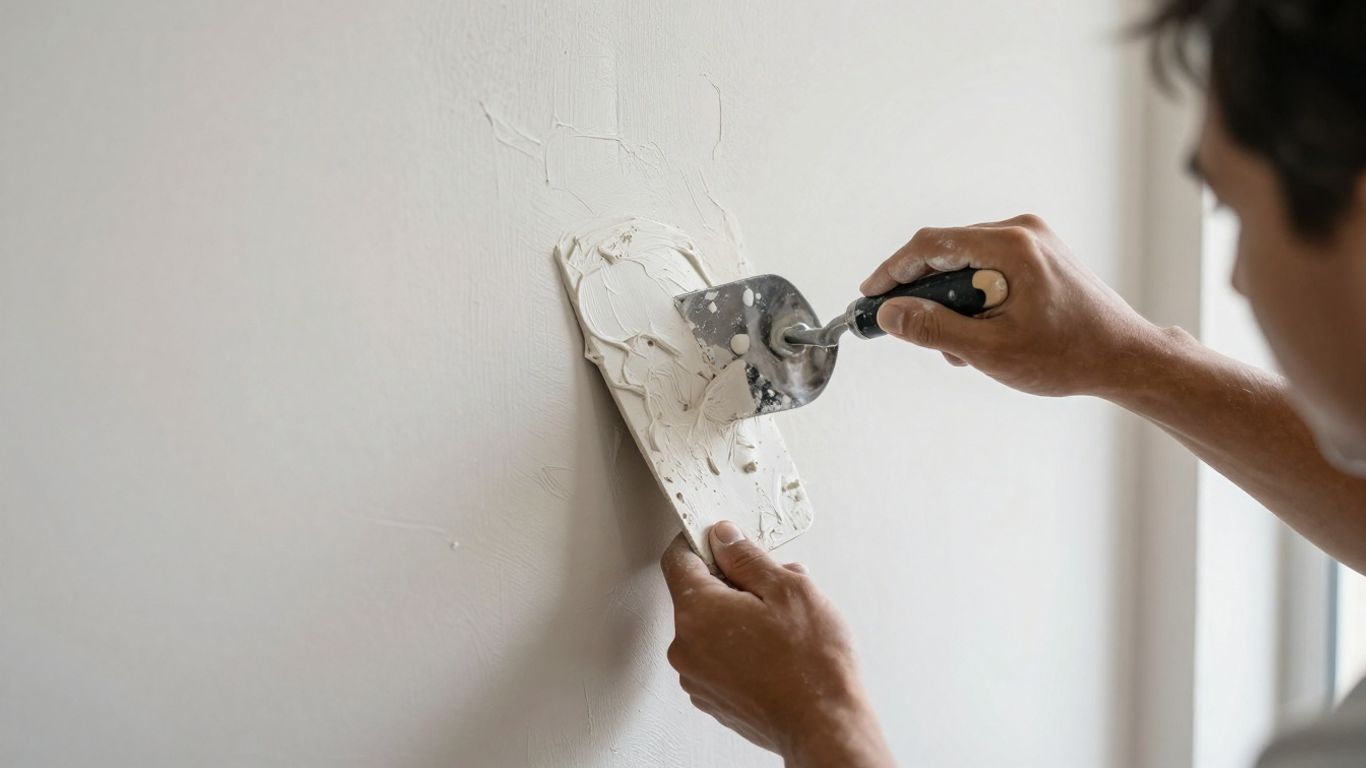
When you hire professionals for plastering, you’re paying for their skill and speed. They know the ins and outs of the trade, which usually means the job gets done quicker than if you were to tackle it yourself. A skilled plasterer can often plaster a standard-sized room in a single day, assuming the prep work is already done. This includes applying the necessary coats and getting it ready for the drying phase.
Typical Professional Plastering Schedule
Here’s a general idea of how long a professional might take for different tasks:
Small Room (e.g., bathroom, small bedroom): 1-2 days. This usually covers applying plaster to walls and ceiling, plus a bit of cleanup.
Medium Room (e.g., living room, master bedroom): 2-3 days. More surface area means more time, but professionals work efficiently.
Large Areas or Multiple Rooms: This is where it gets more complex. A team might be brought in to speed things up.
It’s important to remember that these are just estimates. The actual time can change based on the condition of the existing walls and the specific plastering technique used. For instance, if extensive repairs are needed before plastering can even begin, that adds significant time. You can find more details on how long painting takes, which often follows plastering, here.
When Multiple Plasterers Are Needed
For larger projects, like plastering an entire house or a very big commercial space, a single plasterer might not be the most efficient choice. Bringing in a small team of two or three plasterers can cut down the overall project duration considerably. They can work on different sections simultaneously, speeding up the process significantly. This is especially true for new builds or major renovations where large areas need covering. It’s all about managing the workflow to get the job done without compromising on quality. Hiring a team can sometimes be more cost-effective in the long run due to the reduced labor time.
Expert Advice On Plastering Estimates
Getting a solid estimate from a plasterer is key. Always ask for a breakdown of what the quote includes – is it just the plastering, or does it cover preparation and cleanup too? A good professional will walk through the space with you, discuss the scope of work, and give you a realistic timeframe. Don’t be afraid to ask questions about their experience and how they handle unexpected issues. They should also be able to give you an idea of the drying times involved, as this is a significant part of the overall project timeline. Remember, patience is a virtue when it comes to plaster drying; rushing this stage can lead to problems down the line. For instance, understanding how long plaster takes to dry is vital before any decorating can commence.
Professionals aim for efficiency, but they also prioritize a quality finish. This means they won’t cut corners on essential steps, even if it means the job takes a little longer than a rushed, amateur attempt might. They understand the materials and the process, and that knowledge translates into a better final result.
Wrapping Up the Plastering Timeline
So, we’ve walked through how long plastering might take for different parts of your home. Remember, these are just estimates. Things like the condition of your walls, the type of plaster used, and even the weather can really change the timeline. It’s not a quick job, and you definitely can’t rush the drying part – that’s super important for a good finish. Planning ahead is key, so factor in plenty of time for prep, the actual plastering, and then waiting for it all to dry properly before you even think about painting. Patience really is a plasterer’s best friend, and yours too!
Frequently Asked Questions
How long does it typically take to plaster a whole room?
Plastering a whole room usually takes about 1 to 3 days. This can change depending on the room’s size and the condition of the walls. Sometimes, a quick skim over a room can be done in a single day, but it’s important to make sure the walls are in good shape first.
What’s the difference in time between skimming and full plastering?
Skimming is much faster than a full plaster job. Skimming involves applying a thin layer of plaster to smooth existing walls or plasterboard, and this can often be done in about a day. A full plaster job, which involves adding thicker layers, takes longer.
How long does it take to plaster just one wall?
If a wall is in decent shape and only needs a skim coat, a skilled plasterer can usually finish it in about 3 to 4 hours. If the wall needs more work, like fixing damage or applying multiple coats, it will naturally take more time.
How long does plaster need to dry before I can paint?
You need to be patient with plaster drying! While some plasters might feel dry to the touch in a few days, it can take anywhere from 3 days to 2 weeks, or even longer, for plaster to fully dry out. It should look a uniform pale color and feel cool, not wet, to the touch. Rushing this step can cause problems like cracks.
What things can make plastering take longer?
Several things can affect how long plastering takes. The size and shape of the room matter a lot – bigger or more complex rooms take more time. Also, if the existing walls are damaged, have old wallpaper, or need repairs, that adds to the preparation time. Special finishes or features like coving can also increase the job’s duration.
Can I speed up the plaster drying process?
You can help plaster dry a bit faster, but you must be careful not to rush it too much. Good airflow by opening windows is helpful. Avoid blasting the room with heat from radiators, as this can cause cracks. Using a dehumidifier on a low setting in damp rooms can also help, but the best approach is to maintain a steady, moderate room temperature.