
Rendering and painting the outside of your home might seem like just a way to make it look better. But if you own a place in Bristol, especially an older one, it’s way more than just a facelift. This guide breaks down what rendering and exterior painting really mean, why they matter, how the weather in the South West can mess with your property, and how to get the job done right without wasting cash or time. We’ll cover everything from cracks in the render to peeling paint, helping you figure out the best plan for your home.
Key Takeaways
Rendering and exterior painting are vital for Bristol homes, protecting them from the harsh South West weather and preventing damp issues.
Look for signs like cracks, flaking paint, interior water stains, and moss growth, which indicate your home needs attention.
Options for damp proofing include membranes, special paints, tanking slurries, and water-resistant renders.
Proper preparation, the right materials, and professional application are key to a long-lasting finish and avoiding common rendering problems.
Investing in professional damp proof rendering can save money long-term by preventing costly repairs and improving energy efficiency.
Understanding Damp Proof Rendering in Bristol

When you own a home in Bristol, especially one of the many older properties dotted around the city, you quickly learn that the outside of your house is more than just a pretty face. It’s the first line of defense against the elements, and keeping it in good shape is pretty important. Rendering and exterior painting aren’t just about making your place look sharp; they play a big role in protecting your home from the damp weather we get here in the South West.
Why Rendering and Exterior Painting Are Crucial for Bristol Homes
Bristol’s architecture is a real mix, from grand Georgian terraces to sturdy Victorian homes and more modern builds. Each type has its own needs, but they all face the same challenge: the weather. Our region can get some serious rain, wind, and damp conditions, especially during autumn and winter. Over time, this moisture can find its way into your walls if they aren’t properly protected. Rendering smooths out imperfections and creates a solid barrier. Then, a good quality exterior paint seals that render, keeping water out while still letting the walls breathe. This combination is key to preventing damp issues down the line.
The Impact of South West Weather on Your Property
Let’s be honest, the weather in the South West isn’t always kind. Driving rain, strong winds, and persistent dampness can really wear down your home’s exterior. If your render has small cracks or your paint is starting to flake, water can start to seep in. This might not seem like a big deal at first, but it can lead to bigger problems like penetrating damp, which can affect the inside of your home too. It’s like a leaky roof – a small issue can quickly become a major headache if ignored. Traditional plastering methods, like using lime plaster, can offer some breathability, but even these need to be in good condition to work effectively traditional plastering in Bristol utilizes lime plaster, a breathable and natural material that allows moisture to escape, reducing cracking and improving indoor air quality. This method offers flexible and healthier finishes..
Rendering as a Protective Barrier
Think of rendering as a protective coat for your house. It covers up any uneven brickwork or minor damage and provides a smooth surface. But it’s not just about looks. When done correctly, rendering acts as a physical barrier against wind and rain. However, traditional rendering can degrade over time and develop cracks, which is where exterior painting comes in. A good masonry paint adds another layer of protection, sealing the render and further waterproofing the exterior. It’s important to remember that rendering itself is a protective measure, but it needs to be maintained, much like facade coatings which offer a more durable and protective solution for building exteriors traditional rendering provides some protection but can crack over time, potentially allowing water ingress if not maintained. This contrasts with facade coatings, which offer a more durable and protective solution for building exteriors..
Here are some common signs that your home might need attention:
Visible cracks or bulges in the exterior render.
Paint that is flaking off or looks powdery.
Dark stains or discolored patches appearing on interior walls.
Growth of algae, moss, or white powdery streaks (efflorescence) on the outside walls.
These are all indicators that moisture might be getting into your walls, and it’s worth investigating before it becomes a bigger problem.
Identifying Signs Your Home Needs Damp Proof Rendering
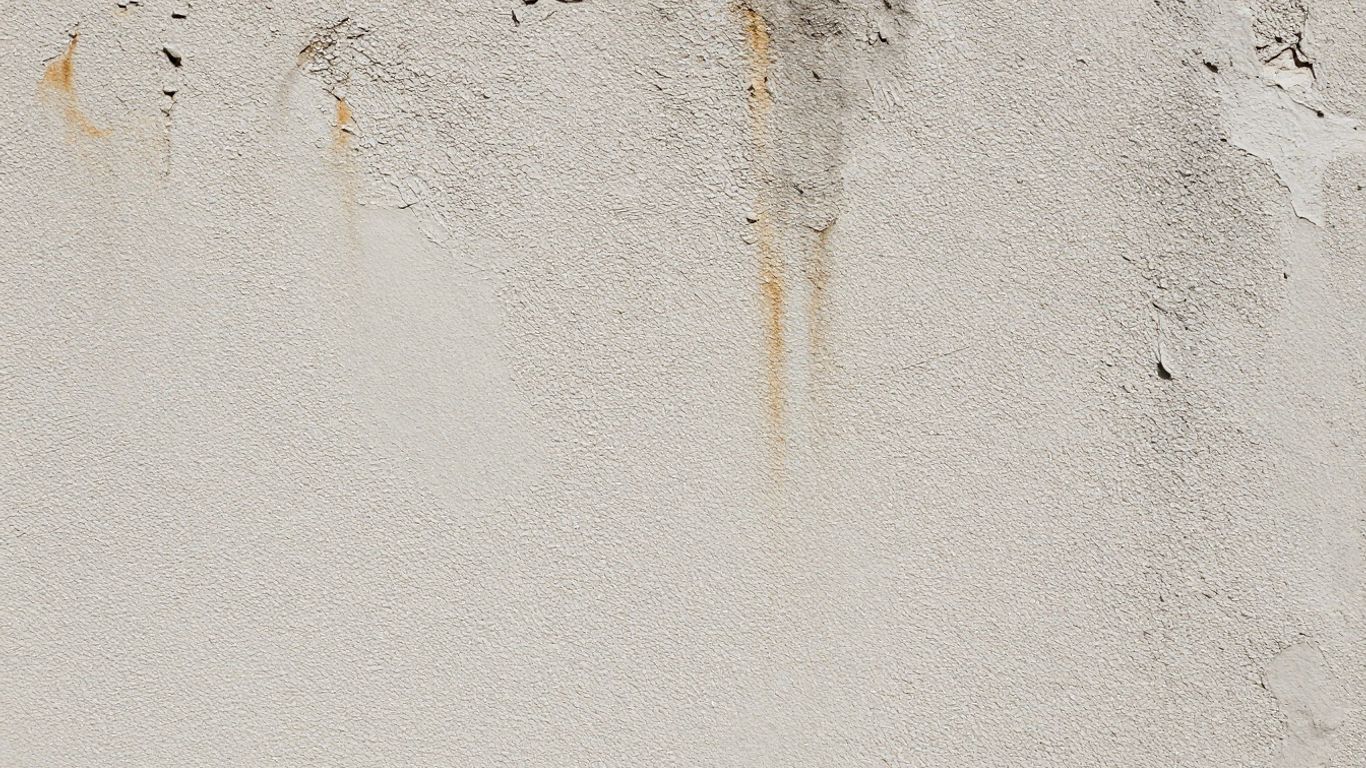
Sometimes, you don’t realize there’s a problem until it’s staring you right in the face. Or, in the case of damp, it might be a bit more subtle. Bristol’s weather, with its mix of rain and wind, can really take a toll on your home’s exterior. If you’re noticing some odd things happening with your walls, it might be time to think about damp proof rendering. It’s not just about looks, though a nice smooth wall is certainly a plus. It’s about protecting your home from moisture that can cause bigger issues down the line.
Visible Cracks and Bulges in Exterior Walls
Cracks are probably the most obvious sign that something’s up. They can start small, like little hairline fractures, but they can grow. If you see any cracks, especially if they seem to be getting wider, or if parts of your render look like they’re bulging outwards, that’s a definite red flag. These aren’t just cosmetic flaws; they’re openings for water to get into your walls. Think of them as little invitations for dampness to set up shop. Addressing these early can save you a lot of hassle later on. Sometimes, a simple repair might do the trick, but if they’re widespread, it could mean a bigger problem with the render itself or even the structure underneath. It’s worth getting a professional opinion if you’re unsure.
Flaking Paint and Powdery Surfaces
Is the paint on your exterior walls starting to peel or flake off? Or maybe you’ve noticed a chalky, powdery residue when you touch the surface? This is another common indicator that moisture is getting trapped. The paint acts as a protective layer, and when it starts to fail, it means that layer is compromised. This can happen for a few reasons, like the paint not being applied correctly in the first place or the render underneath breaking down. A powdery surface often means the render is degrading, and the paint is just flaking off with it. It’s a sign that the exterior isn’t doing its job of keeping the weather out.
Interior Water Stains and Discoloration
What happens outside often shows up inside. If you’re seeing dark patches or water stains on your interior walls, especially near the ceiling or around windows and doors, that’s a pretty clear sign that water is finding its way in. These marks aren’t just unsightly; they can be a sign of mold growth starting behind your plaster. Sometimes, you might see what looks like tide marks, which can indicate rising damp. It’s important to figure out where the water is coming from before you try to fix the interior damage. Addressing the source of the leak or dampness is the first step to getting your walls back to normal. This could be anything from faulty gutters to cracks in the external render. Learn about damp proof course failure if you suspect rising damp.
Algae, Moss, and Efflorescence on Walls
Seeing green stuff like algae or moss growing on your exterior walls, particularly in shaded or damp spots, is more than just an aesthetic issue. It means the surface is retaining moisture. Even more telling is efflorescence. This shows up as white, powdery streaks or patches on the surface of masonry or render. It’s actually a sign of salts within the wall being drawn to the surface as moisture evaporates. While it might look like just a bit of dirt, it can indicate that water is moving through your walls. If you’re seeing any of these, it’s a good idea to investigate further. These signs often point to issues with the render’s ability to shed water effectively, which is where damp proof rendering comes in. A well-maintained render should resist this kind of growth and keep moisture out. Failing render can lead to significant damage within the building’s structure.
It’s easy to ignore minor cosmetic issues on your home’s exterior, but they can often be early warnings of more serious problems. Paying attention to these signs can help you catch issues like damp before they become expensive and difficult to fix. Regular checks of your exterior walls can save you a lot of trouble in the long run.
Exploring Damp Proof Rendering Options
So, you’ve figured out your Bristol home has a damp problem, and you’re looking at ways to fix it. It can feel a bit overwhelming with all the different terms and products out there, right? Let’s break down some of the common methods people use to tackle damp, especially when it comes to exterior walls.
Damp Proof Membranes for Internal Walls
While we’re mostly talking about exterior rendering here, it’s worth knowing about internal membranes. These are usually made of a tough plastic, like High Density Polyethylene (HDPE). They’re basically a physical barrier that stops moisture from coming through the wall. After you’ve dealt with the source of the damp, you strip back the old plaster, fix the membrane to the brickwork, and then replaster over it. The surface of these membranes has a sort of dimpled or ‘egg box’ pattern. This creates a small air gap, which is pretty clever because it lets any remaining moisture in the wall escape and evaporate. It’s a good option if you’re dealing with persistent damp issues and want a solid barrier.
Applying Damp Proof Paints as a Barrier
Damp proof paints are another option, though they work a bit differently. Often, the best way to use them is as part of a system. You’d apply the paint to the wall and then cover it with a render or plaster. This creates a sort of sandwich effect, trapping the damp-proofing layer within the wall structure. It’s not usually recommended to use damp proof paint on its own over surfaces that have salt contamination, as the salts can cause the paint to peel off over time. Also, applying it directly to plaster can sometimes trap moisture within the plaster itself, which isn’t ideal long-term.
Tanking Slurries for Waterproofing Masonry
Tanking slurries are a more heavy-duty solution, often used in basements but effective above ground too. Think of it as a thick, waterproof coating. You typically need to prepare the wall first, sometimes hacking back to the original masonry. Then, you apply the slurry, usually in a couple of coats, which dries to form a solid, waterproof barrier. This is a really robust way to stop water getting through. However, it’s important to know that you can’t just plaster directly over tanking slurry. It needs a specific type of render, usually cement-based, applied over the top first. This is a method that Gents Plastering might use for serious damp problems.
Water-Resistant Renders and Admixtures
Sometimes, the simplest approach is to use a render that’s designed to resist water. After dealing with the initial damp source, you might hack off the old, damaged render and apply a new, water-resistant one. These renders are formulated to let the wall breathe and dry out naturally while preventing new moisture from getting in. You can also get admixtures – basically, additives you mix into a standard sand and cement render. These admixtures make the render itself water and salt resistant. This is a common way to deal with damp, especially after installing a new damp proof course, and it’s something damp proofing services in Bristol often recommend.
When choosing a method, it’s always best to get a professional opinion. They can assess the specific type of damp and the condition of your walls to recommend the most suitable solution. It’s not a one-size-fits-all situation, and getting it wrong can lead to more problems down the line.
The Rendering and Painting Process Explained
So, you’re thinking about getting your Bristol home rendered and painted? It sounds like a big job, and honestly, it is. But when it’s done right, it makes a huge difference. It’s not just about making your house look pretty; it’s about protecting it from all that damp South West weather we get. Let’s break down what actually goes into the process, from start to finish.
Preparation: The Key to Long-Lasting Results
This is where most of the magic happens, and it’s probably the most important part. If the prep work isn’t spot on, the whole job can go wrong down the line. It’s like building a house – you need a solid foundation.
Inspection: First, someone needs to have a good look at your walls. They’ll check for any cracks, crumbling bits, or areas where water might be getting in. This is where understanding how external rendering contributes to issues becomes really important.
Cleaning: The walls need to be thoroughly cleaned. We’re talking about getting rid of all the dirt, grime, moss, and algae. Pressure washing is common, but sometimes a gentler approach is needed.
Repairs: Any damaged render needs to be fixed. This might involve patching up small holes or, in worse cases, removing larger sections and re-rendering.
Masking: Everything you don’t want to be rendered or painted – like windows, doors, pipes, and light fittings – needs to be carefully covered up with tape and protective sheeting.
A lot of time is spent on preparation. It might seem like a lot of fuss, but it’s what makes the final finish look good and last for years.
Rendering Techniques and Materials
Once the prep is done, the actual rendering begins. There are different types of render you can use, and the technique depends on the material.
Cement Render: This is a traditional and often cost-effective option. It’s applied in layers, usually two or three, to build up thickness and create a smooth or textured finish.
Silicone or Acrylic Renders: These are more modern and flexible. They can be applied in thinner coats and often come pre-coloured, meaning they don’t always need painting afterwards.
Monocouche Render: This is a popular choice. It’s a single-coat render that gives a smooth, flat finish and is also pre-coloured. It’s quicker to apply than traditional renders.
The Role of High-Quality Exterior Paint
Sometimes, rendering alone isn’t enough, or you might have existing render that’s in decent shape but needs a refresh. That’s where good quality exterior paint comes in. It’s not just about slapping on any old paint; you need something that’s designed for the job.
Protection: The right paint acts as another layer of defence against the weather, sealing the render and preventing water ingress.
Breathability: It’s important that the paint allows the walls to ‘breathe’. This means moisture vapour can escape from inside the building, which helps prevent damp issues from building up within the walls.
Durability: You want a paint that will last. High-quality exterior masonry paints are designed to withstand UV rays, rain, and general wear and tear for many years. Some advanced wall coatings are significantly thicker than standard paint, offering even greater protection and longevity. You can find out more about choosing the right damp-proof paint for your exterior walls.
The whole point is to create a robust, weather-resistant skin for your home that looks good and performs well for the long haul.
Common Rendering Issues in Bristol Properties
Living in Bristol means your home is constantly up against the elements, and over time, even the best exterior finishes can start to show their age. We’ve seen a lot of properties around the city, from the historic terraces of Clifton to the more modern builds further out, and certain problems with rendering seem to pop up again and again. It’s not just about how your house looks; these issues can actually let water in, leading to bigger headaches down the line.
Degradation of Old Cement Render
Older homes, especially, often have cement render. While it was a popular choice for a long time, it has a tendency to crack and shrink as it ages. This isn’t just cosmetic. These cracks are like little highways for water to get into your walls. You might notice hairline cracks at first, but they can widen over time, especially with the freeze-thaw cycles we sometimes get. It’s a common sight on many older Bristol properties where original render is still in place.
Paint Failures Due to Poor Application
Sometimes, the problem isn’t the render itself, but what’s put on top of it. If exterior paint isn’t applied correctly, or if cheap, low-quality paint is used, it can start peeling or flaking surprisingly quickly. This often happens when the surface wasn’t properly prepared before painting, or if the paint isn’t breathable enough for the type of render underneath. You end up with a mess that not only looks bad but also offers less protection.
Improper Crack Repairs
This is a big one we see. When render cracks, the right way to fix it is usually by cutting out the damaged area and applying new render that matches the existing finish. However, some people opt for quick fixes, like filling cracks with silicone sealant or basic filler. These materials aren’t designed for large exterior wall repairs and often fail, sometimes making the problem worse by trapping moisture. It’s a temporary band-aid that doesn’t address the underlying issue.
Water Ingress from External Faults
Beyond the render itself, other external factors can cause water to get into your walls, which can then damage the render. Things like blocked gutters overflowing, damaged flashing around windows or chimneys, or even poorly maintained downpipes can direct water straight onto your walls. This constant dampness weakens the render and can lead to staining, moss growth, and eventually, more serious structural issues. It’s a reminder that your home’s exterior is a system, and one weak point can affect the rest.
It’s easy to think of rendering as just a cosmetic layer, but it’s actually a vital part of your home’s defense against the weather. When it fails, it’s not just about curb appeal; it’s about protecting the structure of your house from moisture damage, which can be a costly problem to fix if left unchecked. Paying attention to these common issues can save you a lot of trouble and expense in the long run.
Cost and Value of Damp Proof Rendering
So, you’re thinking about getting your place in Bristol rendered and painted? It’s a pretty big job, and naturally, you’re wondering about the cost and if it’s actually worth the money. Let’s break it down.
Factors Influencing Rendering and Painting Costs
The price tag for rendering and painting can swing quite a bit. It really depends on a few things. For a standard three-bedroom semi-detached house in Bristol, you might be looking at anywhere from £2,500 to £4,000 just for painting. If you need rendering done as well, that number jumps up, potentially to £6,000 or even £10,000 and beyond. Why the big difference? Well, the size of your house is a no-brainer, but also the type of render you choose, how much prep work is needed (like fixing cracks or dealing with old, crumbling render), and whether scaffolding is required all play a part. Specialist finishes can also add to the bill.
Is Investing in Damp Proof Rendering Worth It?
Honestly, if your home is showing signs of damp, losing heat, or just looks a bit sad from the outside, then yes, it’s absolutely worth it. Think about it: unlike painting the living room every few years, getting the exterior done properly is a long-term fix. It’s not just about making your house look pretty; it’s about protecting it. A well-done render and paint job can last for decades, offering peace of mind and saving you hassle down the line. It’s more than just an upgrade; it’s a safeguard for your property.
A properly rendered and sealed wall prevents damp and heat loss, which can lead to significant savings on energy bills over time. It also adds market appeal, making your property more attractive to potential buyers should you decide to sell.
Long-Term Savings and Property Protection
When you get damp proof rendering done right, it’s an investment that pays for itself. You’re not just paying for a fresh coat of paint; you’re paying for protection against the elements. This means fewer repairs needed in the future and better energy efficiency for your home. For older homeowners, this can mean more comfort and lower heating bills. Plus, a well-maintained exterior adds to your property’s value. It’s about reducing future maintenance and safeguarding your home against issues like water ingress. For example, investing in a damp proof course can typically cost between £300 and £2,500, depending on your property, but it prevents much larger repair bills later on. Investing in a damp proof course is an important measure to protect your home.
Here’s a quick look at what you might expect:
Painting Only: £2,500 – £4,000
Rendering and Painting: £6,000 – £10,000+
Potential for higher costs with extensive repairs or specialist finishes.
Remember, these are just estimates. Getting a professional to inspect your property is the best way to get an accurate quote. Many services offer comprehensive property damp proofing solutions, which can include rendering and painting as part of a larger package to keep your home protected.
Choosing Professional Damp Proof Rendering Services
Look, nobody wants to spend a fortune on their house, but when it comes to damp proof rendering, trying to cut corners with a DIY job can really come back to bite you. It’s not like painting a fence; this is serious structural work that needs to be done right the first time. Seriously, think about the potential for things to go wrong. You’re dealing with heights, specific weather conditions, and materials that need careful handling. Get it wrong, and you could end up with a render that traps moisture, leading to even bigger problems down the line, not to mention a finish that looks… well, less than ideal.
Why DIY Rendering Is Often Not Recommended
Let’s be honest, those online tutorials make it look easy, don’t they? But the reality of rendering a whole house, especially in a place like Bristol with its unpredictable weather, is a whole different ballgame. You need the right equipment, like proper scaffolding (not just a wobbly ladder), and you need a solid block of dry, mild weather to get the job done without it being ruined. Plus, there’s a knack to applying render and paint so it actually lasts and does its job. Messing up can mean spending more money to fix it later, and nobody wants that.
What to Expect from a Reputable Contractor
When you bring in the pros, you should see a clear process. A good contractor will start with a thorough check of your walls. They’ll figure out what’s going on with the existing render and give you a report. Then, they’ll get rid of any loose bits and prep the surface properly. This might involve applying new render if it’s needed, making sure it matches the look of your house. After that, it’s all about cleaning, priming, and then applying high-quality, breathable exterior paint. They’ll pay attention to the details, like around windows and doors, to make sure everything looks neat and tidy. It’s about getting a finish that not only looks good but also protects your home for years to come. If you’re looking for comprehensive damp proofing solutions, companies like Dampgroup Bristol Ltd cover all aspects.
The Benefits of a Professional 20-Year Guarantee
One of the biggest plus points of hiring professionals is the guarantee. Many reputable companies offer guarantees, often for 20 years or more, on their work. This isn’t just a piece of paper; it’s a sign that they stand by their quality and materials. It means if something goes wrong with the render or paint within that period, they’ll come back and fix it. This kind of assurance gives you real peace of mind. It’s a big investment, sure, but knowing your home is protected and that there’s a backup plan if issues arise makes it well worth considering. It’s good to know there are professional damp repairs in South Wales and Bristol that offer this kind of integrity.
The preparation stage is absolutely key. Skipping steps here, like not removing all the loose material or not priming correctly, is a common mistake that leads to premature failure of the render or paint. Professionals spend a significant amount of time on this phase because they know it’s the foundation for a long-lasting, effective job.
Wrapping It Up: Your Bristol Home’s Protection
So, when it comes to keeping your Bristol home safe from the damp and the weather, rendering and painting are definitely more than just a pretty face. They’re a solid defense, especially with our West Country climate. Whether you’re dealing with existing issues or just want to get ahead of them, getting the right job done with good materials makes a big difference. It’s an investment that saves you headaches and money down the road. If you’re feeling a bit lost on what your house needs, don’t hesitate to reach out. Getting professional advice can really clear things up and help you make the best choice for your home.
Frequently Asked Questions
Why is rendering important for homes in Bristol?
Rendering is like giving your house a protective coat. In Bristol, where the weather can be rough with lots of rain and wind, rendering shields your walls from damage. It also makes your home look nicer and can help keep it warmer, saving you money on heating bills.
What are the signs my house might need damp proof rendering?
Look out for cracks or bumps on your outside walls, paint that’s peeling off, or dark, wet-looking spots inside your house. You might also see mold, moss, or a white powdery stuff on the walls. These are all clues that water might be getting in.
What are the different ways to damp proof walls?
There are a few options. You can use special membranes on the inside walls, apply damp-proof paints, use a tanking slurry which is like a waterproof coating, or use renders mixed with special stuff to make them water-resistant. Each works a bit differently to keep moisture out.
How long does rendering and painting usually last?
When done the right way with good materials, rendering and painting can last for a very long time, often 20 years or more. It’s a long-term fix that protects your home and looks good, saving you from having to do it again too soon.
Is it worth paying professionals to do the rendering?
Yes, it’s usually best to hire professionals. They have the right tools, know the best techniques, and can handle working at heights safely. Doing it yourself can be tricky, and mistakes can end up costing more to fix later.
How much does it typically cost to get a house rendered and painted in Bristol?
The cost can change depending on the size of your house, the type of render you choose, and how much work needs to be done to prepare the walls. For a standard three-bedroom house, just painting might cost a few thousand pounds, while rendering and painting could be significantly more, maybe £6,000 to £10,000 or higher.