
Using modern gypsum or cement plaster on Bristol’s Victorian and Edwardian homes is a critical mistake. These materials trap moisture inside solid walls, leading to damp, decay, and plaster failure. As Bristol-based specialists, we know the only correct solution is traditional, breathable lime plaster. This guide explains why it’s essential for your period property and how to get it right.
Why Bristol Homes Need Lime Plaster
Most of Bristol’s housing stock, particularly in areas like Bedminster (BS3), Easton (BS5), Redland (BS6), and Horfield (BS7), was built before 1919 with solid walls. These walls are designed to breathe, allowing moisture to enter and evaporate naturally. Cement and gypsum plasters form a waterproof barrier, trapping this moisture and causing persistent damp, crumbling brickwork, and an unhealthy indoor environment.
Lime plaster works with the building. It is highly vapour-permeable, allowing moisture to pass through harmlessly. During its slow carbonation curing process, it also develops ‘free lime’, which can self-heal minor cracks over time, adding to its longevity. This approach is fundamental to the proper care of old buildings, as outlined in guidance from bodies like Historic England.
Types of Lime Plaster and Render: What’s Right for Your Property
Choosing the right lime system depends on your property’s construction, exposure, and desired finish. We primarily work with Natural Hydraulic Lime (NHL) and traditional lime putty from trusted suppliers like Saint-Astier. The choice between a stronger NHL 5 for an exposed gable end and a softer NHL 2 for internal work is critical.
Lime System | Best For | Layers | Curing Time | Approx. Cost per m² |
|---|---|---|---|---|
NHL 2 | Soft brick, internal plaster, conservation work | 2-3 coats | 7-14 days per coat | £70 – £110 |
NHL 3.5 | General purpose, external render, brick/stone walls | 2-3 coats | 5-10 days per coat | £80 – £130 |
Lime Putty | Fine internal finishes, listed buildings, lath work | 3+ coats | 14-30+ days per coat | £100 – £160+ |
Hot-Mix Lime | Stone/rubble walls, very damp conditions | 2-3 coats | 10-20 days per coat | £90 – £140 |
Hemp-Lime | Insulating render, timber frames (e.g., Hemcrete) | 1-2 coats | 20-40+ days | £120 – £180+ |
The final specification should always be determined by a site assessment. A system that works for a granite wall in Cornwall may be too hard for the softer brick of a Southville terrace.
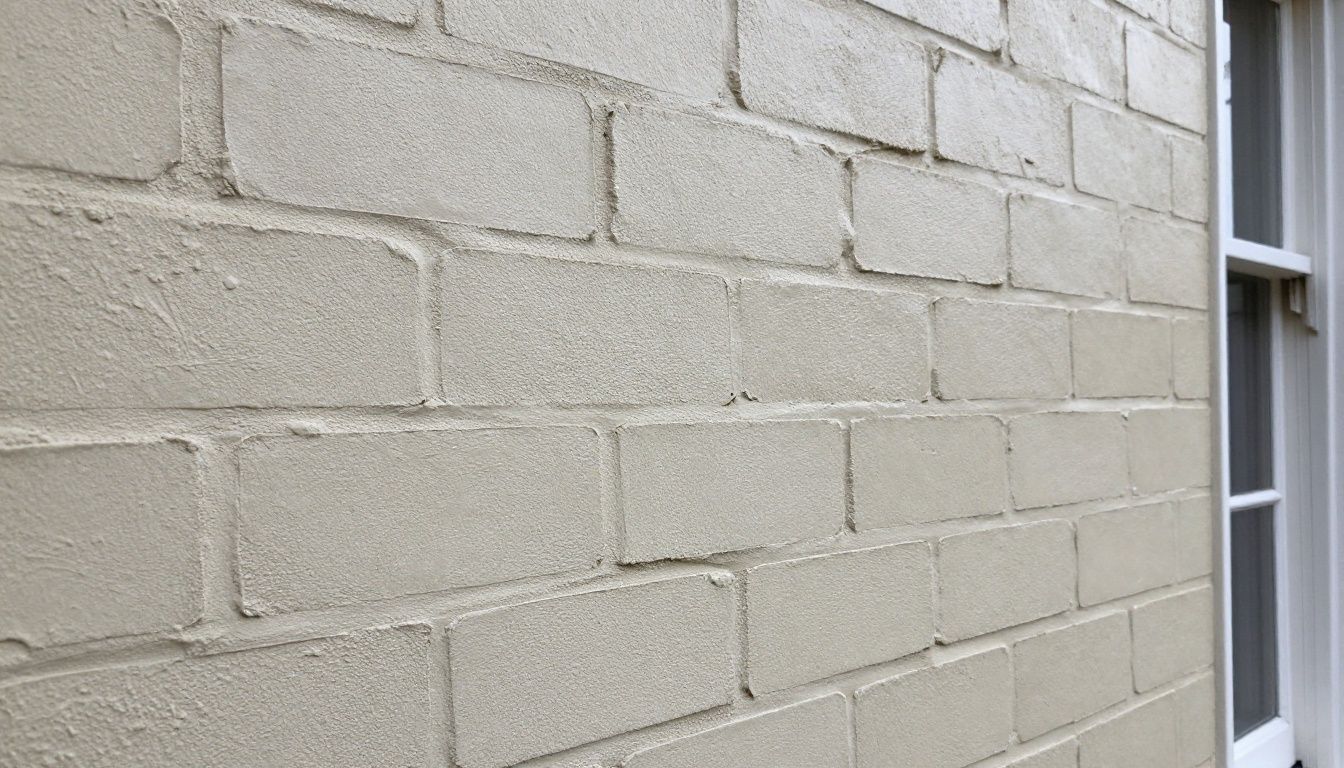
Internal Lime Plastering in Bristol
For Victorian interiors in Clifton and Redland, a traditional three-coat lime system is standard. This involves a ‘scratch’ coat for grip, a ‘float’ coat to create a flat surface, and a fine ‘finish’ coat. Each layer must be allowed to cure properly before the next is applied to prevent failure.
We apply lime over various substrates, including original brick, stone, and traditional wooden laths. Repairing original lath and plaster is a specialist skill, crucial for maintaining the character and integrity of period ceilings and walls. If you’re seeing signs of damp like a musty smell or tide marks, it’s a clear signal that a non-breathable material may be trapping moisture.
Lime Rendering for Bristol Exteriors
External lime render is the building’s first line of defence against the weather. Unlike modern monocouche or silicone renders that can seal a wall, lime render protects the brick or stone while allowing the structure to breathe. This is vital for the long-term health of solid-wall elevations across Bristol.
The process typically involves a two or three-coat build-up, finished with options like a traditional roughcast, a smooth float finish, or even ashlar-effect lining to mimic stone blocks. For properties in a Bristol conservation area, using a historically appropriate lime render is often a mandatory requirement for planning consent.
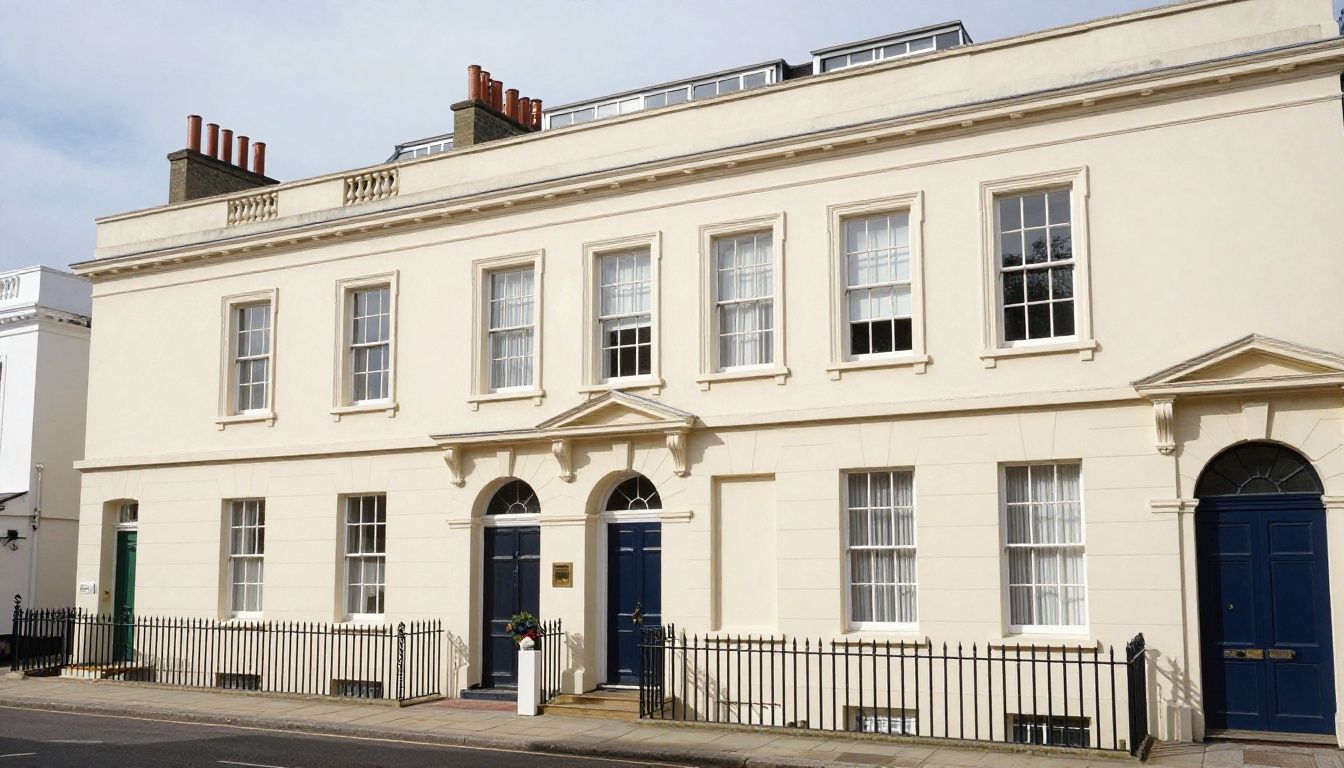
Lath and Plaster Repair in Bristol
Lath and plaster is the original construction method for internal walls and ceilings in most of Bristol’s Victorian and Edwardian housing. It consists of thin wooden strips (laths) nailed to timber joists, with lime plaster pushed through the gaps to form ‘keys’. Using modern gypsum to patch these surfaces is a false economy; it’s brittle, non-breathable, and its bond with the flexible lime will eventually fail.
For minor cracks or small areas of damage, a careful plaster repair using matching lime putty is the correct approach. For larger sections where the plaster keys have broken, it may be necessary to replace the laths and plaster entirely. The Society for the Protection of Ancient Buildings (SPAB) provides excellent guidance on making these judgements.
Lime Plaster and Listed Buildings: Bristol Conservation Rules
If your property is a listed building, any replastering work requires Listed Building Consent. Bristol City Council and Historic England will require a detailed specification to ensure the new work is sympathetic to the original fabric. This often means using a specific grade of lime (like NHL 2 or lime putty) and matching the original sand and aggregate.
Conservation areas in Clifton, Redland, Cotham, and parts of Bedminster have strict controls, particularly for external rendering. We have experience working with conservation officers to develop compliant specifications. Always check the requirements for your property on the Bristol City Council planning portal before starting work.
Why Choose Gents for Lime Plastering in Bristol
We are a team of Bristol-based plastering specialists, not a national directory or lead-generation service. When you work with us, you get direct access to our expertise.
50+ Years of Combined Experience: Our team has deep knowledge of traditional and heritage systems, from hot-mix lime for rubble walls to fine putty finishes for listed interiors.
Heritage & Decorative Specialists: We are one of the only Bristol plasterers that combines expertise in breathable heritage lime with premium decorative finishes like Venetian plaster, Marmorino, and Tadelakt. This allows for a seamless blend of restoration and high-end design.
Free, No-Obligation Site Visits: We visit your property to assess the walls, discuss your needs, and provide a detailed, fixed-price quote. There are no hidden fees.
We are focused on delivering the highest quality work that will protect your property for decades. This means we are not the cheapest option, but we believe in doing the job correctly the first time.
For a free site visit and quote, please get in touch.
Frequently Asked Questions
Is lime plaster better than gypsum for old Bristol houses?
Yes, for any pre-1919 solid-wall property, lime is unequivocally better. Its breathability is essential to prevent moisture from becoming trapped within the wall structure, which is the primary cause of damp and decay in older homes. You can read more on whether you need lime plaster for an old house here.
How much does lime plastering cost in Bristol?
Lime plastering is a skilled trade and costs more than standard plastering. Expect to pay between £70 – £160+ per square metre, depending on the system used, the number of coats, and the condition of the underlying wall. Our guide on the cost to replaster a house provides more detail on what affects the final price.
Can I use lime plaster in a modern home?
Yes, you can. While not structurally necessary for cavity-wall homes, many people choose lime for its soft, natural aesthetic and its ability to regulate humidity, creating a healthier indoor environment.
How long does lime plaster take to dry?
Lime cures through carbonation, a slow process of absorbing carbon dioxide. Each coat needs to cure sufficiently before the next is applied, which can be 7-14 days for an NHL and longer for lime putty. Rushing this process is the most common cause of failure.
Do I need planning permission to replaster with lime in Bristol?
For internal replastering, you generally do not need permission unless the property is listed. For external rendering in a conservation area or on a listed building, you will almost certainly need consent from Bristol City Council.
Does Gents offer free quotes for lime work in Bristol?
Yes, we provide a free, no-obligation site visit and a detailed quote for all lime plastering and rendering projects across bristol. To arrange a visit, please contact us today.