
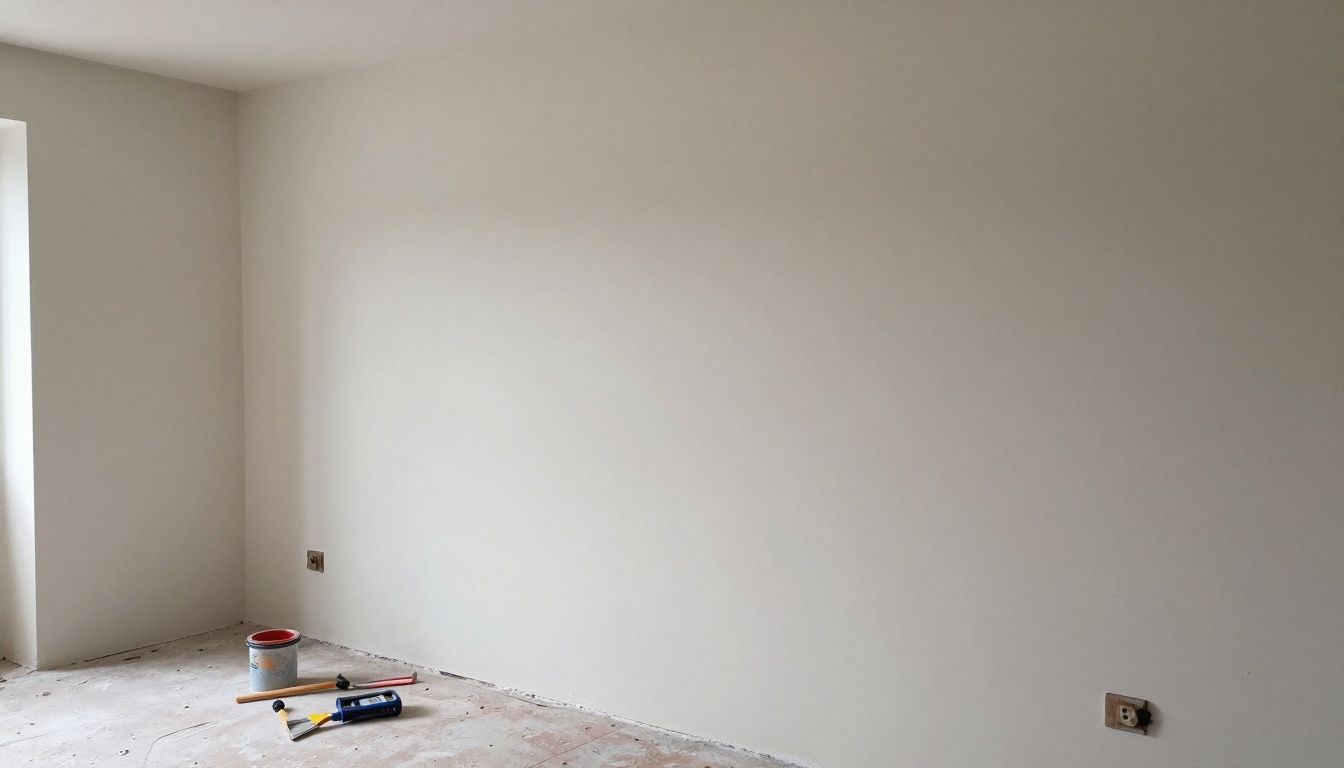
Replastering a standard room in Bristol in 2026 typically costs between £600 and £1,200. The final price depends on the size of the room, the condition of the walls, and whether you need a simple skim coat or a full replaster back to the brickwork. This guide provides Bristol-specific figures, not national averages, to help you budget accurately for your project. For a detailed breakdown, see our guide on plastering a single room.
Bristol Plastering Costs at a Glance
Job Type | Typical Bristol Cost (2026) | Timeframe | Notes |
|---|---|---|---|
Skim Walls Only | £550 – £800 | 1–2 days | For a medium room with sound existing plaster. |
Skim Walls and Ceiling | £700 – £1,100 | 2 days | Assumes ceiling is in reasonable condition. |
Board and Skim | £900 – £1,500 | 2–3 days | Involves fitting new plasterboard before skimming. |
Full Replaster (Back to Brick) | £2,000 – £4,500+ | 4–6 days | Includes removing old plaster, bonding, and skimming. |
Ceiling Only (Skim) | £300 – £500 | 1 day | For a medium-sized room. Boarding is extra. |
Patch Repairs | £200 – £350 | Half-day | For small areas of damage, cracks, or holes. |
These figures reflect typical labour rates in Bristol and the South West, which can vary from national averages. Our specialist plastering services in Bristol cover all these job types.
Plastering Costs by Room Size in Bristol
Room Type | Approx Size (m) | Approx Surface Area (m²) | Typical Bristol Cost (Skim) |
|---|---|---|---|
Small Box Room | 2m x 3m | 30m² | £450 – £600 |
Medium Bedroom | 3.5m x 4m | 45m² | £600 – £850 |
Large Living Room | 4.5m x 5.5m | 65m² | £800 – £1,200 |
Open-Plan Kitchen/Diner | 6m x 7m | 90m²+ | £1,300 – £2,000+ |
Features common in Bristol’s housing stock, such as bay windows, chimney breasts, and high ceilings, increase the surface area and complexity, which will raise the final cost. Understanding how much plastering a room costs can help you budget more effectively.
Skim vs Full Replaster: Which Do You Need?
Method | Best For | Typical Cost (Medium Room) | Disruption |
|---|---|---|---|
Skim Coat | Sound, but tired or uneven plaster. Covering artex. | £600 – £850 | Low. 1–2 days work. |
Full Replaster | Blown, damp, or badly cracked plaster. | £2,000 – £4,500+ | High. Very dusty, noisy. 4-6 days. |
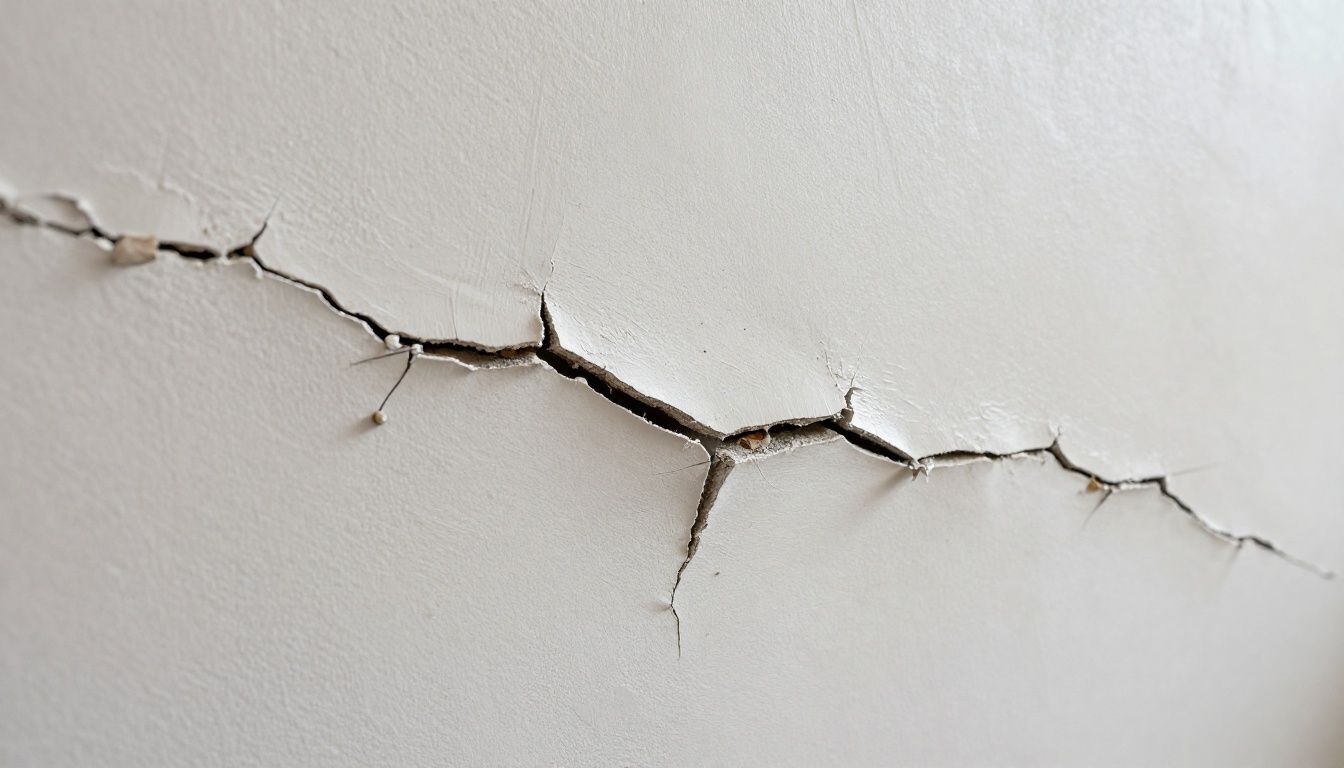
A skim coat is a thin, 2-3mm layer of multi-finish plaster applied over a solid surface. If your existing plaster is firm and just needs a new, flat finish, a skim is perfect. A full replaster is needed if the plaster has lost its bond with the wall (known as blown plaster), is affected by damp, or has extensive cracks. Gents Plastering can assess this for you during a free consultation and advise on the best approach, including traditional plastering methods.
What Affects the Cost of Replastering in Bristol?
Several key factors determine the final price of your replastering project.
Condition of Existing Plaster
If plaster is ‘blown’ (has come away from the wall) or affected by damp, it must be hacked off back to the brickwork. This removal process adds significant labour, waste disposal costs, and drying time for any new base layer. Dealing with underlying issues is a key part of damp restoration before new plaster is applied.
Room Size and Layout
Simply put, more wall and ceiling area means more materials and more labour time. Rooms with complex layouts, such as those found in many Bristol properties, cost more. Bay windows, alcoves, chimney breasts, and high ceilings all increase the time a plasterer needs to complete the job. We provide expert services across the city, from Filton to Southville.
Plaster Type Required
Standard gypsum multi-finish plaster is the most common and cost-effective option for modern homes. However, older buildings often require specialist materials. Using lime or breathable plaster for period properties costs more but is the correct technical choice for solid Victorian or Edwardian walls, preventing future damp issues.
Preparation and Access
Thorough preparation is essential for a lasting finish. Stripping stubborn wallpaper, applying a bonding coat to difficult surfaces, or treating walls with PVA can add £150–£600 to a job. Difficult access, like working around tight stairwells or over conservatories, can also increase labour costs. Proper preparation is key, especially when plastering over concrete.
Replastering Costs for Bristol Period Properties
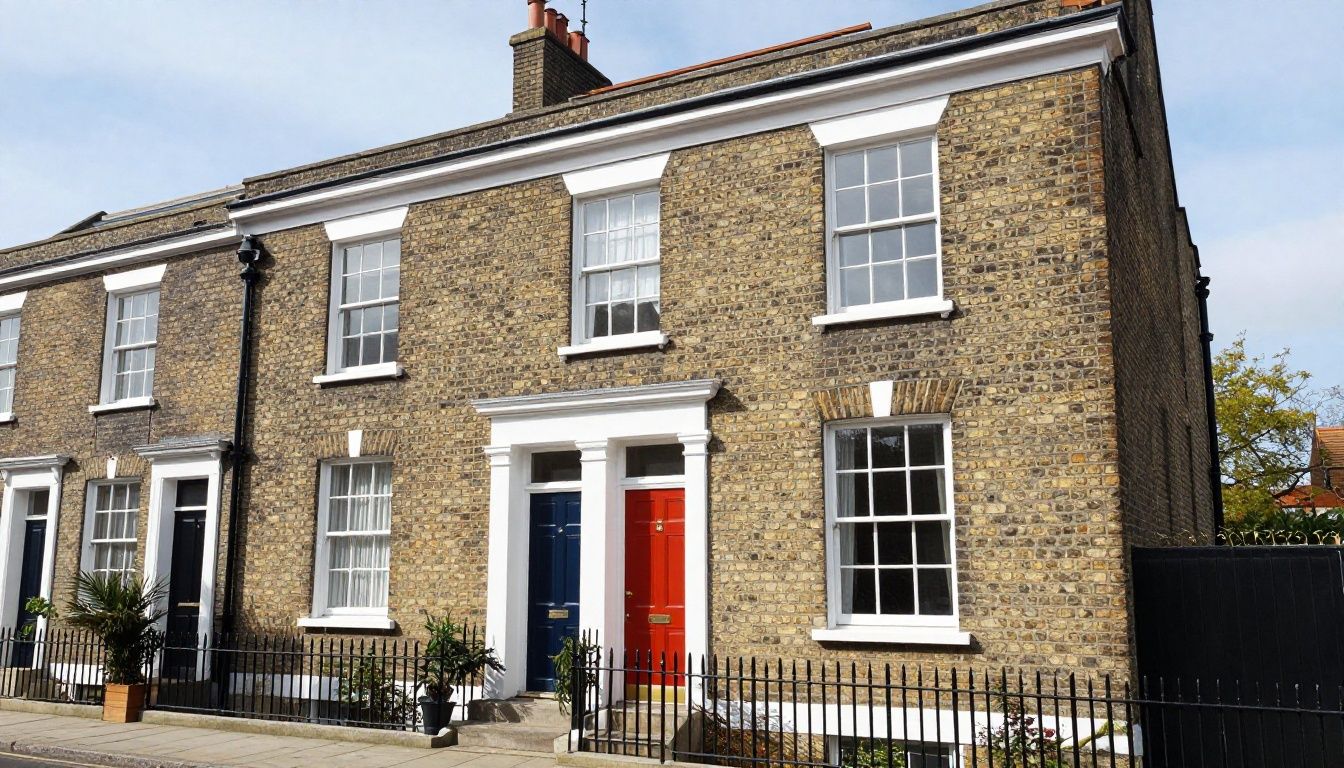
Many of Bristol’s beautiful Victorian and Edwardian terraces in areas like Redland, Clifton, Southville, and Bishopston have solid walls with no cavity. These walls need to ‘breathe’. Applying a modern, non-breathable standard gypsum plaster can trap moisture, leading to damp and decay.
The correct solution is to use a breathable system, such as traditional lime plaster. While this is more expensive than a standard skim—often 20-40% more—it is essential for the long-term health of the building. This isn’t an upsell; it’s about using the right materials for the property. Our expertise in lime plastering ensures your period home is treated correctly.
Labour vs Materials: Where Your Money Goes
For a typical replastering job, the cost split is roughly 70–80% for labour and 20–30% for materials. An experienced plasterer’s day rate in Bristol for 2026 is typically £220–£300. Material costs include bags of multi-finish plaster (£10-£15), bonding plaster, PVA, plasterboard sheets (£12-£18 each), and angle beads. While material costs seem low, the skill and time of the tradesperson is what you are primarily paying for, a factor also seen in exterior rendering costs.
How Long Does Replastering Take in Bristol?
A typical medium-sized room follows this timeline: Day 1 involves preparation, applying a bonding coat if needed, and the first ‘scratch’ coat. Day 2 is for applying the final skim coats. The most important phase is drying, which can take 3-7 days in good conditions. In Bristol’s damp, colder months, it can take longer. You must wait for the plaster to be fully dry before applying a ‘mist coat’ (a diluted first coat of paint). All work should comply with relevant building regulations.
How to Get an Accurate Replastering Quote in Bristol
To get a reliable quote, provide as much detail as possible: room dimensions, photos of any damage, and notes on access. A professional quote should clearly itemise the work, including preparation, materials used, number of coats, waste removal, expected timeframe, and a total fixed price. As local specialists, you can contact Gents Plastering for a free, no-obligation assessment. We provide fixed-price quotes so you know exactly what the cost will be, with no surprises.
Get a Free Plastering Quote in Bristol
Ready to transform your space? For a professional finish that lasts, contact the team at Gents Plastering. We offer a free consultation to assess your walls, provide honest advice on whether a skim or full replaster is needed, and give you a detailed, fixed-price quote for your project. Call us today on 07440 017218 or fill out our contact form to get started.