
That musty, damp smell from your plaster is a genuine warning sign that there’s a moisture problem within your walls. The main causes are typically rising damp, penetrating damp from outside, or condensation building up indoors. This is a frequent issue in Bristol’s beautiful period properties, but it can be diagnosed and fixed correctly.
Is a Damp Smell from Plaster Always a Problem?
Not always, but it’s vital to know the difference. A genuine damp smell is persistent, musty, and often worsens in cold or wet weather, usually appearing with visual signs like stains or mould. In contrast, the normal smell of new plaster curing is a mild, earthy scent that should fade completely within one to two weeks as the wall dries, leaving no marks behind.
Distinguishing between these two is the first step in understanding your walls. If the smell lingers, it’s time to investigate further rather than assuming it’s part of a recent plastering job.
What Causes Plaster to Smell Damp in Bristol Homes?
Understanding the source of the smell is key to finding the right solution, as different types of damp require very different treatments. Below are the four most common reasons your plaster might smell damp, from serious structural issues to temporary, harmless causes. If you’re seeing issues like bubbling plaster, it’s a clear sign one of these is at play.
Rising Damp
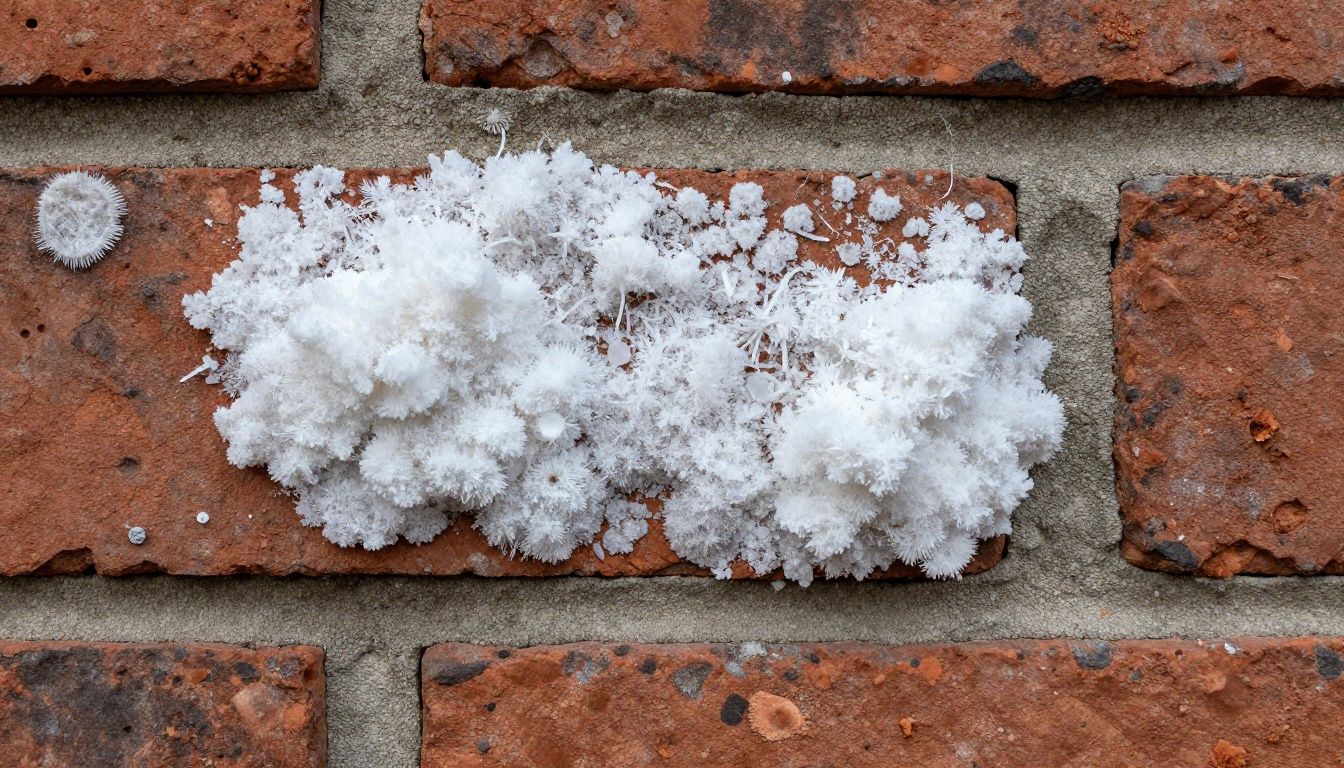
Rising damp is when groundwater is drawn upwards through the porous bricks and mortar of a wall via capillary action. The smell is caused by the moisture itself and the microbial volatile organic compounds (MVOCs) released by mould growing within the damp wall structure. Visual signs include a visible ‘tide mark’ on the wall (up to 1m high), peeling wallpaper, and white, fluffy salt deposits called efflorescence. It’s very common in Bristol’s Victorian terraces with absent or failed damp proof courses (DPCs) and is a serious issue that requires professional damp proofing and restoration.
Penetrating Damp
This type of damp occurs when water from outside penetrates through the building’s fabric. The smell is musty and often localised, becoming more noticeable after heavy rain. Look for isolated damp patches on walls or ceilings, discolouration, and damaged plaster. In Bristol, this is often caused by cracked external render, defective pointing, or blocked gutters on older, exposed properties. It’s a serious problem that can lead to timber decay if not addressed by a specialist plasterer.
Condensation and Mould
Condensation is the most common type of damp, caused by warm, moist air from activities like cooking and showering hitting a cold surface like an external wall. The distinct musty smell comes from the resulting surface mould growth. Visual signs are black mould spots (especially in corners or behind furniture), water droplets on walls, and peeling paint. While less structurally damaging than other forms, it indicates poor ventilation and requires management, often with breathable plaster solutions.
New Plaster Still Curing
Freshly applied plaster releases a lot of water as it dries, which produces a mild, earthy smell for about one to two weeks. This is completely normal and not a sign of a problem. There will be no visual symptoms like tide marks, mould, or salt deposits; the wall will simply look dark and gradually lighten as it dries. This is a temporary phase, and patience is key to letting the plaster cure correctly.
Symptoms to Look For Alongside the Smell in Bristol Homes
Symptom | What It Indicates | Urgency |
|---|---|---|
Musty, earthy smell | The presence of moisture and potential mould growth within the wall. | Medium |
Tide marks on walls | A classic sign of rising damp, showing how high moisture has travelled. | High |
Salt deposits (efflorescence) | Groundwater containing salts is evaporating from the surface; indicates rising damp. | High |
Peeling paint or plaster | Moisture is breaking down the bond between the wall and its covering. | Medium |
Cold, damp patches | Localised moisture, often from penetrating damp or severe condensation. | Medium-High |
If you notice two or more of these symptoms appearing together, it strongly suggests a persistent damp problem that needs a professional assessment. Ignoring them can lead to more significant damage over time, affecting not just the plaster but the building’s structure. For advice on different plastering finishes, it’s always best to consult an expert.
Why Bristol’s Housing Stock Makes This More Common
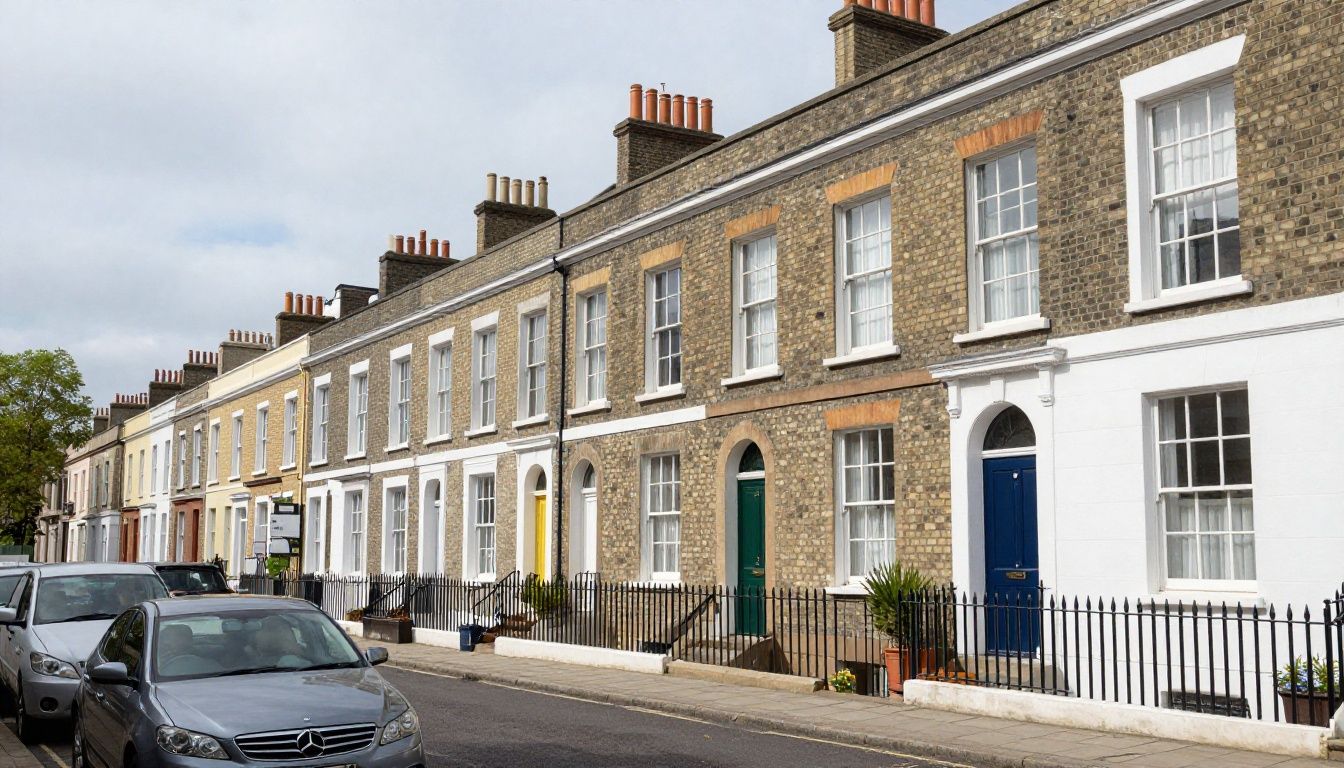
Bristol is celebrated for its beautiful period housing, with areas like Redland, Clifton, Southville, Bedminster, Bishopston, and Easton dominated by Victorian and Edwardian terraces. These homes were built with solid walls (no cavity) and originally used lime plaster, which is breathable. Over the years, many have had their original damp proof courses (DPCs) fail or were built without one. A common mistake is replastering these solid walls with modern gypsum plaster, which traps moisture and makes damp smells and damage much worse. Using a traditional, breathable plaster is essential for the health of these older buildings.
Is Damp-Smelling Plaster Dangerous to Health?
The musty smell associated with damp plaster is caused by mould and mildew releasing microbial volatile organic compounds (MVOCs). According to UK government guidance, exposure to these can cause or worsen respiratory problems, allergies, and asthma. The health risks are highest for children, the elderly, and people with compromised immune systems. While there’s no need to panic, it is a health consideration that should be addressed.
What to Do If Your Plaster Smells Damp in Bristol
If you’ve identified a persistent damp smell, follow these steps:
Don’t mask the smell: Avoid using air fresheners or scented candles. The smell is a key diagnostic clue.
Check for visual signs: Look for the symptoms listed in the table above to help identify the potential cause.
Improve ventilation: As a short-term measure, open windows to increase airflow, especially in kitchens and bathrooms.
Get a professional assessment: The most important step is to get an expert diagnosis before starting any treatment. Applying the wrong fix can be costly and ineffective.
At Gents Plastering, we are local specialists in diagnosing and treating damp in Bristol’s period properties. We offer a free, no-obligation consultation to identify the root cause of the problem. Contact us to arrange a survey.
How Damp Plaster Is Diagnosed and Treated
A professional diagnosis involves using moisture meters to map the extent of the problem, assessing the state of the DPC, and identifying the source of the water. Only then can the correct treatment be recommended.
Effective solutions often involve a combination of treatments, such as installing a new chemical DPC injection, applying a waterproof tanking slurry, or repairing external cracks. Crucially, the damaged plaster must be removed and replaced. For Bristol’s solid-wall homes, it is vital to replaster using a breathable lime-based system, not modern gypsum. This allows the wall to breathe naturally and prevents future moisture build-up. As specialists in damp proofing and restoration, we ensure the correct materials are used for a lasting solution.
Get a Free Damp Assessment in Bristol
Worried about a damp smell in your home? Don’t guess what the cause might be. The Gents Plastering team can provide a free, thorough assessment to give you a clear diagnosis and a fixed-price quote for the right solution.
There’s no obligation. Book your free survey today and get peace of mind.
Frequently Asked Questions
How do I know if my plaster smells damp or is just new?
A new plaster smell is mild, earthy, and fades within 1-2 weeks with no other symptoms. A damp plaster smell is musty, persistent, worsens in wet weather, and is usually accompanied by tide marks, mould, or salt deposits. You can find more information in our articles section.
What does rising damp smell like?
Rising damp has a distinct musty and earthy odour, often compared to the smell of wet soil or old, damp paper. The smell is typically strongest at the base of ground-floor walls, near the skirting boards. It’s a common issue in many Bristol properties.
Can I just repaint over damp-smelling plaster?
No, this is a bad idea. Painting over damp plaster traps the moisture inside the wall, which will cause the paint to peel and can accelerate the decay of the plaster and brickwork underneath. The underlying cause must be fixed by a specialist plasterer first.
How much does it cost to fix damp plaster in Bristol?
The cost varies widely depending on the cause (e.g., rising damp vs. a small patch of penetrating damp), the extent of the damage, and the specific treatment required. At Gents Plastering, we provide a free assessment and a detailed, fixed-price quote so you know the full cost before any work begins.
Is damp plaster covered by home insurance?
Generally, home insurance policies do not cover issues caused by gradual deterioration, such as rising or penetrating damp. They may cover damp resulting from a sudden event, like an ‘escape of water’ from a burst pipe. Always check your policy wording and consult a professional body like the Property Care Association (PCA) for guidance.