
Thinking about giving your bathroom a makeover? Maybe you’re tired of the same old tiles and grout, or perhaps you’re just looking for something a bit more unique. Well, have you considered Venetian plaster? It’s this cool, old-school technique that can make walls look super fancy. But the big question is, can it actually handle a bathroom environment? Let’s break down if a Venetian plaster bathroom is a good idea and if it’s worth the effort and cost.
Key Takeaways
A Venetian plaster bathroom offers a unique, seamless look without grout lines, giving it an elegant and sophisticated feel that traditional tiles can’t match.
While not ideal for direct shower spray without protection, Venetian plaster can work well in bathrooms due to its breathability and moisture-regulating properties, especially when treated with sealants.
The material’s lime base gives it natural antimicrobial and mold-resistant qualities, contributing to a healthier bathroom environment.
Venetian plaster is known for its durability and can last for decades, making it a long-term investment that requires relatively low maintenance once applied.
The application of Venetian plaster is an art form, and professional installation is key to achieving the desired aesthetic and ensuring its performance in a bathroom setting.
The Allure Of Venetian Plaster In Bathrooms
A Seamless And Elegant Aesthetic
Forget those endless lines of grout you see in most bathrooms. Venetian plaster offers something totally different: a smooth, continuous surface that just feels more… put together. It’s like painting your walls with a luxurious, almost liquid-like finish. This lack of grout lines isn’t just about looks; it makes cleaning a whole lot easier too. No more scrubbing at mildew in those tiny spaces. It creates a really cohesive vibe, making even smaller bathrooms feel more open and airy. It’s a finish that feels both classic and modern at the same time, which is pretty cool.
Beyond Traditional Tiles And Grout
When you think bathroom walls, tiles probably come to mind first, right? But Venetian plaster gives you a whole new way to think about wall finishes. It’s not just about covering walls; it’s about creating a piece of art. You can get it in so many different colours and textures, from a subtle matte look to a super shiny, polished finish that almost looks like marble. It really lets you move beyond the expected and create something unique. It’s a way to make your bathroom feel less like a utility space and more like a personal sanctuary.
Timeless Charm And Sophistication
There’s something about Venetian plaster that just screams ‘timeless’. It has this old-world charm, reminiscent of Italian villas, but it can also look incredibly sleek and contemporary. It’s a material that doesn’t really go out of style. You can achieve finishes that mimic natural stone, like travertine, giving your bathroom a grounded, earthy feel. Or, you could go for a high-gloss look that feels really glamorous. It’s this versatility that makes it such an appealing choice for people who want a bathroom that feels sophisticated and elegant for years to come. It’s a finish that truly stands the test of time, offering a sense of enduring beauty that’s hard to find elsewhere. It’s a material that can really transform a space into something special, a place you’ll love spending time in.
Venetian Plaster Bathroom Functionality And Benefits
Moisture Resistance and Breathability
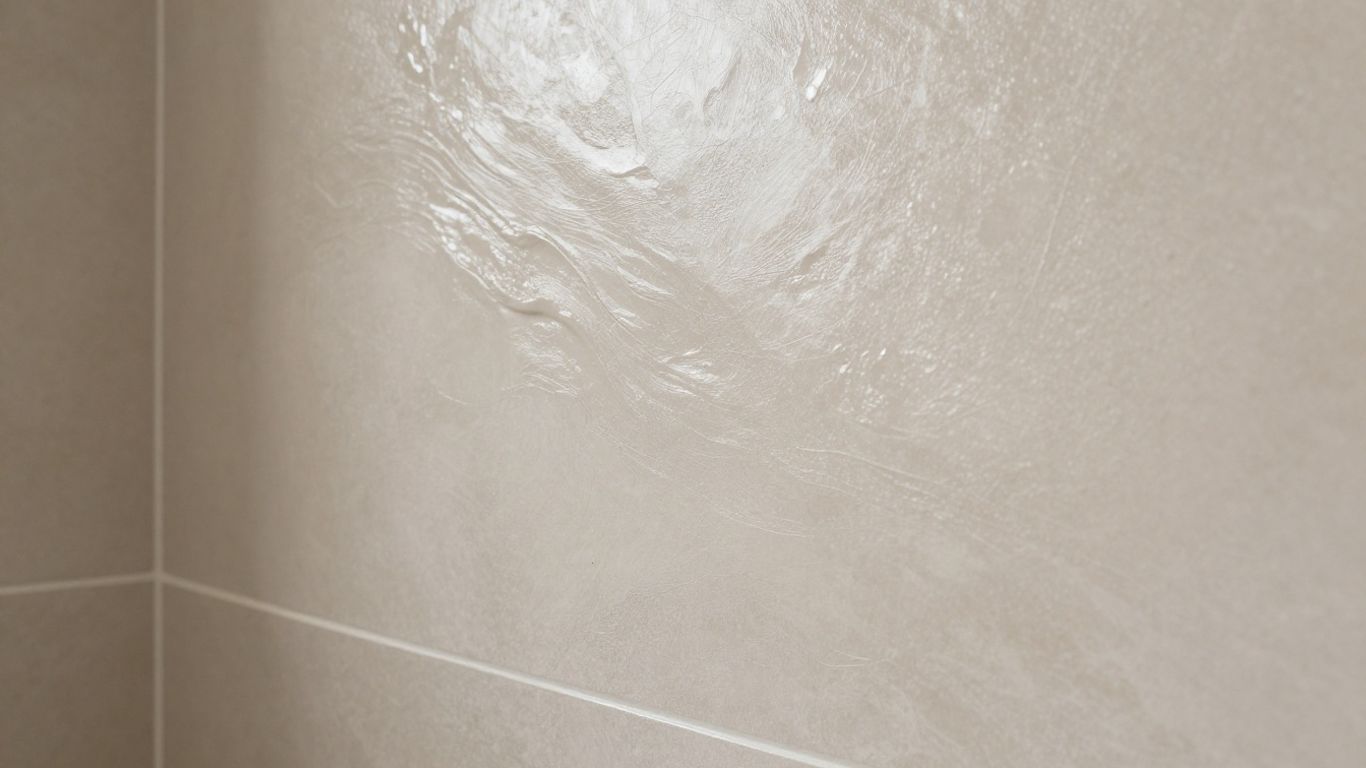
When you think about bathrooms, moisture is probably one of the first things that comes to mind, right? It’s a room that deals with steam from showers, splashes from sinks, and general humidity. So, how does Venetian plaster hold up? Well, it’s actually pretty good, thanks to its composition. Made from lime, marble dust, and natural pigments, it’s naturally breathable. This means it can absorb and release moisture, which helps regulate humidity in the bathroom. This breathability is a big deal for preventing that damp, musty smell and reducing the chances of mold and mildew taking hold. Unlike some other wall finishes, it doesn’t trap moisture against the wall, which can lead to bigger problems down the line. Of course, it’s not completely waterproof on its own, especially in areas that get direct, prolonged water contact like inside a shower stall, but with the right sealants, it becomes much more resilient. It’s a material that works with the environment of a bathroom, rather than against it.
Antimicrobial and Mold-Resistant Properties
Because Venetian plaster is made from natural materials, particularly lime, it has inherent properties that make it less hospitable to mold and bacteria. Lime is alkaline, and mold generally prefers more neutral or acidic environments. This natural resistance means that even in a humid bathroom setting, the plaster itself is less likely to become a breeding ground for unwanted growth. This is a significant plus compared to some synthetic materials or even tile grout, which can be notorious for harboring mold if not meticulously cleaned. It contributes to a healthier indoor environment, which is always a good thing in a space where you’re spending time getting ready or winding down.
Durability and Low Maintenance
One of the really appealing things about Venetian plaster is how long it lasts and how little fuss it requires once it’s on the wall. When applied correctly by a skilled artisan, it creates an incredibly hard and durable surface. It’s not prone to cracking or chipping like regular paint can be, and it holds up well to everyday use. Cleaning is usually pretty straightforward too. A soft cloth and a bit of water are often all you need for regular dusting. For a bit more shine or protection, a specialized wax can be applied occasionally, which also helps boost its water-repellent qualities. This low-maintenance aspect means you’re not constantly worrying about upkeep, which is a huge relief when you’re thinking about the long-term appeal of your bathroom. It’s a finish that looks good for years without demanding constant attention, making it a practical choice for busy households. You can find more details on maintaining its water-resistant qualities if you’re curious.
While Venetian plaster offers great benefits for bathrooms, it’s important to remember its limitations, especially in very wet zones. Direct water exposure, like in a shower, requires extra attention and specific sealing techniques to ensure longevity and prevent damage. It’s a material that thrives with proper care and application.
Addressing Concerns For Venetian Plaster Bathrooms
Okay, so we’ve talked about how pretty Venetian plaster can be, but let’s get real. Bathrooms are, well, wet. And sometimes steamy. So, does this fancy plaster actually hold up?
Suitability For Wet Areas And Showers
This is probably the biggest question on everyone’s mind. Can you really put Venetian plaster in a shower? The short answer is: it depends. While it’s not the absolute best choice for areas that get constantly soaked, like the inside of a shower stall, it’s definitely not a complete no-go. Think of it this way: it’s like asking if wood can go in a bathroom. With the right care and protection, yes. But you wouldn’t leave a solid oak table directly under a leaky faucet, right?
Direct Shower Use: Generally, it’s not recommended for the direct water spray zone within a shower. Other materials like specific tiles or Tadelakt plaster are inherently more waterproof for these high-moisture spots.
Surrounding Areas: For walls outside the direct shower spray, or in bathrooms with good ventilation, it can work really well.
Ventilation is Key: Good airflow in your bathroom makes a huge difference in managing moisture, no matter what finish you choose.
The Role Of Protective Sealants
This is where the magic happens for bathrooms. A good quality sealant is your best friend when using Venetian plaster in a bathroom. It acts like a shield, making the plaster much more resistant to water and stains. It’s not just about keeping water out; it also makes cleaning easier. You’ll want to look for sealants specifically designed for natural plasters and high-moisture environments. Applying this correctly is super important, and often, the installer will do this as the final step. It’s this protective layer that really allows Venetian plaster to thrive outside of, say, a living room.
The right sealant transforms Venetian plaster from a beautiful but potentially vulnerable surface into a practical and resilient choice for your bathroom. It’s the key to unlocking its full potential in a space that deals with daily moisture.
Understanding Material Limitations
Even with sealants, it’s good to know what you’re dealing with. Venetian plaster, especially the more polished finishes, can be more susceptible to scratches than, say, ceramic tiles. So, while it’s durable in terms of moisture (with protection), you might want to be a little more careful with abrasive cleaners or sharp objects. It’s also a natural material, which is part of its charm, but it means it behaves differently than synthetic coatings. Think of it as a high-performance fabric – it looks amazing and feels great, but you still need to follow the care instructions. For most everyday bathroom use, though, it’s perfectly robust. If you’re looking for a finish that can handle a bit of rough and tumble, you might want to explore other bathroom wall options that are specifically designed for high-impact areas.
Ultimately, with proper application, sealing, and a little mindful care, Venetian plaster can absolutely work beautifully and last for years in most bathroom settings.
Design Possibilities With Venetian Plaster
Exploring Colour And Texture Options
Venetian plaster is like a chameleon for your bathroom walls. You can get it in pretty much any color you can imagine, from soft, calming neutrals that make the space feel bigger, to really deep, rich tones that add a touch of drama. Think about a soft, peachy hue to create a sculptural focal point, or maybe a cool grey for a modern vibe. The texture is where things get really interesting. It can be applied to look super smooth and polished, almost like glass, or it can have a more rugged, natural feel. It really depends on the look you’re going for.
Achieving A High-Gloss Spatulato Finish
If you’re after that super luxurious, almost liquid-like shine, you’ll want to ask for a spatulato finish. This is achieved by applying multiple thin layers of plaster and then polishing it intensely. It creates this incredible depth and reflects light beautifully, making your bathroom feel really bright and open. It’s a bit like looking at polished marble, but without the weight or the price tag. This high-gloss finish can really transform a bathroom into a spa-like sanctuary.
Mimicking Natural Stone With Travertine
One of the really cool things Venetian plaster can do is mimic the look of natural stone. Travertine, for example, with its characteristic pitted texture and earthy tones, can be recreated with plaster. This gives you the sophisticated look of natural stone without the cost or the heavy installation. It’s a fantastic way to bring a bit of the outdoors in, creating a grounded and organic feel in your bathroom. This approach works really well if you’re aiming for an organic modern bathroom design.
Here are some common finishes you might encounter:
Polished Finish: Achieves a glass-like radiance, making the space feel bright.
Travertine Finish: Mimics the look and texture of natural travertine stone.
Concrete Finish: Offers a natural, industrial concrete appearance.
Sand Finish: Provides a soft, velvety, and sandy texture.
Remember, while Venetian plaster is versatile, it’s not typically recommended for direct contact with water in shower areas. However, with the right sealants, its application can be extended, but it’s always best to consult with your installer about specific areas.
The Craftsmanship Behind Venetian Plaster
Artisan Techniques And Layering
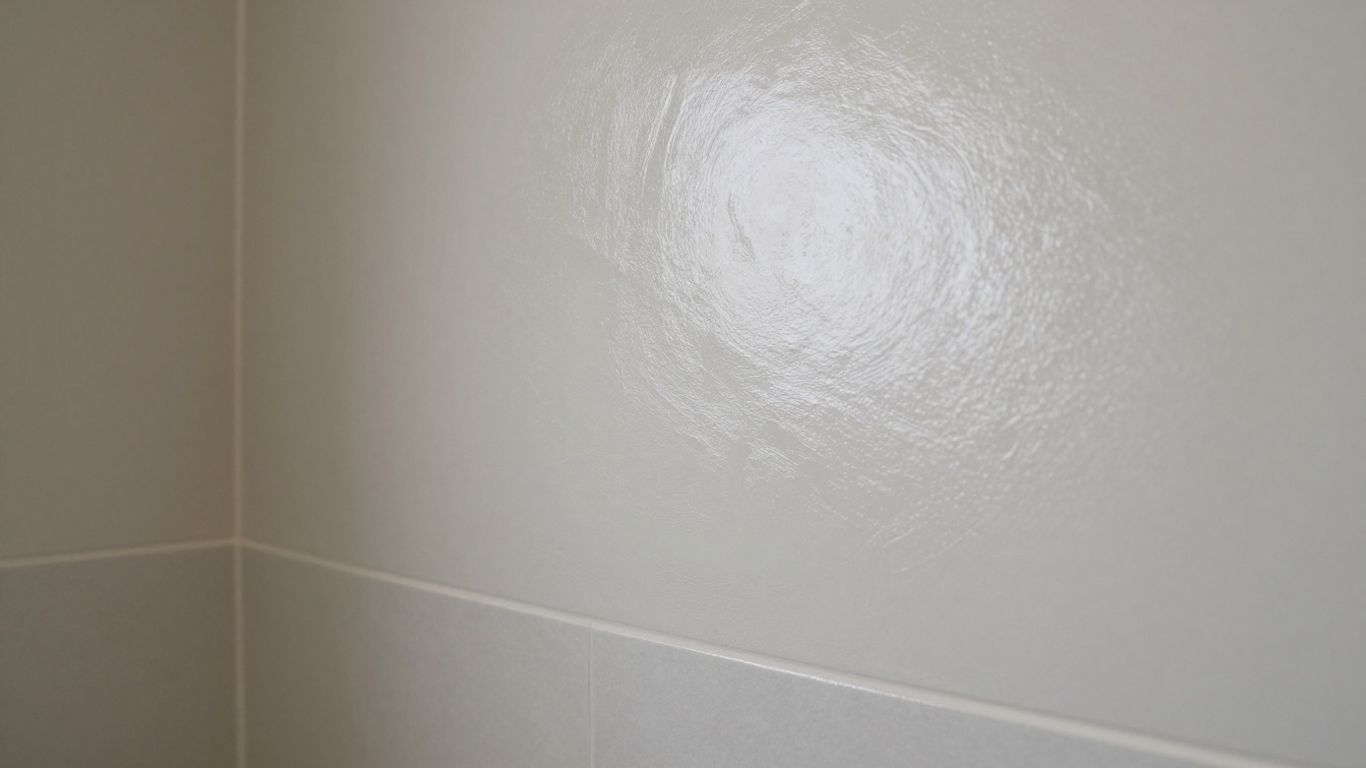
Applying Venetian plaster isn’t like slapping on a coat of paint; it’s a real art form. Skilled artisans use specialized tools, like steel trowels, to apply the plaster in many thin layers. Each layer is pressed and smoothed with a specific technique, building up the depth and texture we associate with this finish. It’s a slow, deliberate process. You can’t rush it. The way the plaster is manipulated, the pressure applied, and the angle of the trowel all contribute to the final look. It’s this hands-on approach that gives Venetian plaster its unique character, making each wall a bit different from the next. It’s this attention to detail that really sets it apart from other wall finishes.
Material Composition And Eco-Friendliness
What’s actually in Venetian plaster is pretty interesting. Traditionally, it’s a mix of lime, marble dust, and natural pigments. This natural composition is a big plus, especially if you’re concerned about what’s going into your home. Because it’s lime-based, it’s naturally breathable, which is great for managing moisture in places like bathrooms. Plus, it doesn’t typically contain the harsh chemicals or VOCs (volatile organic compounds) you might find in some paints or synthetic finishes. This makes it a more environmentally friendly choice, contributing to better indoor air quality. It’s a material that feels good to use and good to have around.
The Value Of A Skilled Application
When you see a truly stunning Venetian plaster finish, it’s almost always down to the person who applied it. The difference between a mediocre job and a spectacular one is huge, and it comes down to skill. A good plasterer understands how the material behaves, how to work with different lighting conditions, and how to achieve specific effects, like that high-gloss spatulato finish or the subtle variations that mimic natural stone. They know how to layer correctly, how to polish it to perfection, and how to protect it. Hiring someone with experience in this specific technique is really important if you want the best results. It’s an investment in the final look and longevity of your bathroom. You’re not just paying for materials; you’re paying for artistry and a job done right. Think of it like hiring a custom furniture maker versus buying something off the shelf; the quality and uniqueness are on a different level.
The true beauty of Venetian plaster lies in the hands that shape it. It’s a material that demands respect for its traditional application methods, transforming simple walls into surfaces with depth, character, and a story to tell. The artisan’s touch is what brings out its inherent elegance and sophisticated appeal.
Is A Venetian Plaster Bathroom Worth The Investment?
So, you’re thinking about Venetian plaster for your bathroom. It looks amazing, no doubt about it. But is it actually a good idea, financially speaking? Let’s break it down.
Long-Term Durability and Appeal
When you’re looking at the cost of Venetian plaster, it’s easy to get sticker shock compared to paint. But here’s the thing: this stuff is built to last. We’re talking decades, maybe even longer, with the right care. Unlike paint that might chip or tile that can crack, Venetian plaster holds up really well. It’s tough. This means you won’t be redoing your bathroom walls every few years. The initial cost is higher, but the longevity can make it a smart financial move over time. Think about how many times you might repaint or re-tile in the lifespan of a well-applied Venetian plaster finish. It’s a marathon, not a sprint.
Enhancing Bathroom Ambiance
Beyond just durability, there’s the whole aesthetic factor. A Venetian plaster bathroom feels… different. It has this depth and texture that you just don’t get with other materials. It can make a small bathroom feel more luxurious or a large one feel more spa-like. It’s a surface that really changes the feel of the room. Plus, the seamless finish means no grout lines to worry about cleaning, which is a big win in a bathroom. It creates a really calm and sophisticated vibe. It’s the kind of finish that makes you want to spend more time in there, even if it’s just to admire the walls.
Considering the Overall Value Proposition
When you weigh the pros and cons, the value really starts to show. Yes, the upfront installation costs can be significant, but you’re paying for a high-end finish that’s also incredibly durable and low-maintenance. It’s a material that ages gracefully, often looking better as it develops a natural patina. It also adds a unique selling point if you ever decide to sell your home. It’s not just a bathroom; it’s a statement piece. You’re investing in a look and feel that’s hard to replicate, and that has its own kind of value.
Here’s a quick look at how it stacks up:
Durability: High. Lasts for decades.
Maintenance: Low. Easy to clean, no grout.
Aesthetics: Unique, sophisticated, and timeless.
Moisture Resistance: Good, especially with sealants in wet zones.
Initial Cost: Higher than paint or basic tile.
While the price tag might seem steep initially, the combination of extreme longevity, minimal upkeep, and a truly unique, high-end look often makes Venetian plaster a worthwhile investment for a bathroom that you’ll love for years to come.
So, Is Venetian Plaster Right for Your Bathroom?
Alright, let’s wrap this up. After digging into it, it seems Venetian plaster can totally work in a bathroom, and honestly, it looks pretty amazing. It gives you that seamless, fancy look without all the grout lines, which is a big plus for cleaning. While you probably don’t want it inside a super wet shower area without some extra protection, for the main bathroom walls and ceilings, it holds up well. Plus, its natural stuff means it’s good at fighting off mold and helps with humidity. It’s a bit of an investment, sure, but if you’re going for a unique, high-end vibe that lasts, it might just be worth the splurge. Just make sure to chat with a pro before you dive in.
Frequently Asked Questions
Can Venetian plaster really be used in a bathroom?
Yes, it can! Venetian plaster works well in bathrooms because it can handle humidity. While it’s not the best for spots that get constantly soaked, like inside a shower, special sealants can make it waterproof for those areas. It’s a great choice for walls and ceilings, giving your bathroom a smooth, fancy look without all the lines you get with tiles.
Is Venetian plaster difficult to clean or maintain?
Actually, it’s pretty easy to keep clean. Since it doesn’t have grout lines like tiles do, there are fewer places for dirt and mold to hide. Wiping it down with a damp cloth usually does the trick. Some people add a wax coating, which helps keep dust and grime away, making cleaning even simpler.
Does Venetian plaster get moldy in a steamy bathroom?
Venetian plaster is naturally good at fighting mold and bacteria. It’s made from lime, which has natural properties that stop mold from growing. Plus, it’s breathable, meaning it helps control moisture in the air. This makes it a healthier choice for bathrooms compared to some other wall coverings.
What makes Venetian plaster look so special?
It looks special because it’s applied in many thin layers by skilled artists. This creates a smooth, elegant finish that can look like marble. You can get it in lots of colors and textures, from super shiny to more matte. Some finishes can even look like natural stone, giving your bathroom a unique and luxurious feel.
Is Venetian plaster a good long-term choice for a bathroom?
Definitely! Venetian plaster is very strong and lasts for a very long time, often for decades. Because it’s durable and doesn’t chip or crack easily, it’s a great investment. It keeps looking beautiful over the years, making your bathroom a stylish place to enjoy for a long time.
Can I put Venetian plaster in the shower area?
It’s generally not recommended for the parts of the shower that get directly wet all the time because it needs protection. However, with the right waterproof sealants applied by a professional, it can be made water-resistant enough for shower areas. It’s always best to talk to an expert about the best way to protect it for these very wet spots.