
Thinking about using Venetian plaster for your next home project? It looks amazing, right? That smooth, marble-like finish can really make a space feel fancy. But is it worth the price tag and the effort? We’re going to break down what Venetian plaster is all about, what makes it so special, and importantly, the venetian plaster pros and cons you need to know before you commit. Let’s see if this old-school technique is the right fit for your walls.
Key Takeaways
Venetian plaster, made from lime and marble dust, offers a unique, high-end look similar to marble but is generally less expensive than natural stone.
Its application is labor-intensive and requires skilled artisans, contributing significantly to the overall cost.
While beautiful, Venetian plaster is not ideal for wet areas like bathrooms due to its moisture absorption, though modern alternatives like microcement exist.
The main benefits include its aesthetic appeal, natural composition, breathability, and durability when applied correctly in suitable environments.
Key drawbacks are its susceptibility to moisture and temperature changes, the high cost of professional application, and potential for damage if not cared for properly.
Understanding Venetian Plaster: History and Composition
Origins From Ancient Rome to Modern Day
Venetian plaster, also known as polished plaster, has a history that stretches way back. We’re talking ancient Greece and Egypt, where similar lime-based finishes were first used. But it really gained its fame in Venice, Italy, hence the name. Roman builders were pretty smart; they knew that letting lime putty age for a good long while, sometimes years, made it super strong and beautiful. Fast forward to the 1960s and 70s, and Italian artisans decided to bring this old-school technique back into the spotlight, using those traditional methods to recreate that classic look.
Natural Components and Material Makeup
So, what’s actually in this stuff? It’s pretty simple, really. The main ingredients are slaked lime and marble dust. The marble dust, which can make up a good chunk of the mix, is what gives it that signature sheen and depth. It’s nice because it’s made from natural stuff, meaning it doesn’t have a lot of those nasty volatile organic compounds (VOCs) that can mess with indoor air quality. This makes it a much healthier choice for your home. It’s a material that’s been around for ages, and its basic makeup hasn’t changed all that much. You can find out more about its natural components and material makeup.
Traditional vs Contemporary Formulations
While the old ways are still cherished, modern versions of Venetian plaster have popped up, making things a bit easier for applicators. These newer formulations keep that classic, luxurious look but are often a bit more forgiving to work with. One thing that sets Venetian plaster apart from other plasters is that it doesn’t typically have aggregates mixed in. This lack of chunky bits is what allows for that super smooth, almost glassy finish that’s so sought after. It’s a unique characteristic that contributes to its distinctive appearance and makes it relatively easy to repair if something happens.
The beauty of Venetian plaster lies in its simplicity and natural origins. It’s a testament to how ancient materials can still be relevant and highly desirable in modern design.
Here’s a quick look at what makes it special:
Natural Ingredients: Primarily lime and marble dust.
Breathable: Allows walls to regulate moisture.
Low VOCs: Better for indoor air quality.
Durable Finish: Can last for many years with proper care.
It’s this combination of history, natural materials, and a unique finish that makes Venetian plaster so appealing.
The Allure of Venetian Plaster: Aesthetics and Craftsmanship
When you first see a wall finished with Venetian plaster, it’s hard not to be drawn in. It’s got this depth, this subtle sheen that just makes you want to reach out and touch it. It’s not like your average paint job, that’s for sure. This stuff has been around for ages, and you can totally see why it’s stuck around. It’s all about how it looks and the skill it takes to get it there.
Material Composition and Benefits
So, what exactly is this stuff made of? Mostly, it’s a mix of slaked lime, marble dust, and natural pigments. Pretty simple ingredients, right? But when you put them together and apply them right, magic happens. The lime makes it breathable, which is a big deal, especially in places like bathrooms where moisture is always hanging around. It helps prevent mold and mildew, which is a win. Plus, because it’s made from natural stuff, it’s better for the air quality in your home – no nasty chemicals off-gassing. And get this, once it’s on the wall, it’s tough. It can last for decades without much fuss, resisting cracks and chips. It’s a good-looking and practical choice.
Craftsmanship and Artistry
This is where the real charm comes in. Applying Venetian plaster isn’t a slap-it-on-and-go kind of job. It takes a skilled hand, someone who knows what they’re doing. Artisans apply it in super thin layers, building up the texture and sheen bit by bit. Each movement is careful, deliberate. It’s this meticulous process that gives Venetian plaster its signature look – that smooth, polished feel with subtle variations that make each wall unique. It’s more than just a wall finish; it’s like a piece of art on your wall, showing off the dedication and talent of the person who applied it. It really does elevate any space to a whole new level of elegance.
Achieving a Timeless Aesthetic
One of the best things about Venetian plaster is that it doesn’t really go out of style. It has this classic vibe that works whether your home is super modern or more traditional. You can get it in all sorts of colors, from soft, calming shades to really rich, deep tones. And the finish? It can be super smooth and glossy, almost like polished marble, or have a more textured, rustic feel. This versatility means you can really tailor it to your own taste. It’s a material that offers a sophisticated and luxurious aesthetic, adding depth and texture to any interior. Whether you’re going for a spa-like bathroom retreat or a dramatic living room, Venetian plaster can help you get there. It’s a way to create a space that feels both elegant and personal, a look that you’ll love for years to come. It’s a truly versatile solution for interior design.
The process of applying Venetian plaster is as much about the journey as the destination. Each layer, each polish, contributes to a final surface that is rich in character and visual interest. It’s this dedication to craft that sets it apart.
Venetian Plaster Pros and Cons
So, you’re thinking about Venetian plaster for your walls? It’s definitely a looker, no doubt about it. But like anything fancy, it’s got its good points and its not-so-good points. Let’s break it down.
Key Benefits of Venetian Plaster
This stuff is pretty amazing when it comes to looks and how it holds up. It’s made from natural ingredients, which is a big plus for air quality since it doesn’t off-gas a lot of nasty stuff. Plus, it’s breathable, meaning it can help manage moisture in a room, which is great for preventing mold and mildew. When applied correctly, it’s super durable and can last for ages, way longer than your average paint job. It gives you that high-end, marble-like finish without actually being marble, which is a nice cost-saver.
Achieves a luxurious, marble-like appearance.
Eco-friendly with low VOCs and natural components.
Breathable finish helps regulate moisture and prevent mold.
Exceptional durability, lasting for many years with proper care.
Offers a unique, seamless look that paint can’t replicate.
Notable Drawbacks to Consider
Now, for the not-so-great stuff. Venetian plaster isn’t a fan of getting soaked or dealing with wild temperature swings. Applying it is also a whole different ballgame compared to slapping on some paint; it takes a lot of skill and time. If it gets damaged, fixing it isn’t always a simple DIY job – you might need a pro. It’s also not the best choice for areas that are constantly wet, like inside a shower, or for exteriors. And if you decide you want a totally different color down the line, you can’t just slap a coat of paint over it; you’d likely need to reapply the plaster itself.
Not suitable for consistently wet environments or exterior use.
Application is labor-intensive and requires specialized skills.
Can be prone to cracking if the underlying structure shifts.
Repairs can be complex and may require professional intervention.
Painting over it for a color change is generally not feasible.
While the initial cost and application complexity might seem high, many find the longevity and unique aesthetic of Venetian plaster make it a worthwhile investment for specific interior spaces. It’s a finish that truly transforms a room.
Venetian Plaster Pros and Cons
Here’s a quick rundown to help you weigh your options:
Feature | Venetian Plaster |
|---|---|
Aesthetics | Luxurious, marble-like, seamless, high depth |
Durability | Very durable, long-lasting with proper care |
Maintenance | Low, but requires occasional waxing/polishing |
Moisture Handling | Breathable, good for moderate humidity |
Application | Complex, time-consuming, requires skilled labor |
Cost | High (materials and labor) |
Repairability | Can be difficult, often needs professional help |
Water Resistance | Poor in direct, prolonged contact |
Color Change | Difficult, usually requires reapplication |
When you’re looking at finishes, it’s always good to know the full picture. Venetian plaster offers a stunning look, but it’s not for every situation. Thinking about how it compares to other finishes can really help you decide if it’s the right fit for your project.
Application Methods and Design Versatility
Venetian plaster isn’t just a paint job; it’s a whole process that really changes how a room looks and feels. The way it’s put on makes a big difference in the final appearance, and honestly, it’s where a lot of the magic happens. It’s not something you just slap on.
Application Methods and Techniques
Applying Venetian plaster is an art form, really. It starts with getting the surface perfectly smooth – no bumps or divots allowed. Then, the plaster itself is mixed, often by hand, to get just the right consistency and color. Think of it like a chef preparing a delicate sauce.
Artisans use special tools, usually steel trowels, to spread super thin layers of the plaster. They don’t just glob it on; it’s a careful, deliberate process. Each layer needs a little time to set before the next one goes on. This layering is what builds up that depth and texture, giving it that signature marble-like look. It’s a slow build, layer by layer, and it takes patience. The whole thing can take days, sometimes weeks, depending on the size of the project. After the final layer, it gets polished to a high shine. It’s a lot of work, and while some folks try DIY, getting a pro is usually the way to go for that really polished finish. You can use it on walls, ceilings, and even some furniture pieces, which makes it pretty flexible.
Design Versatility and Common Applications
This stuff is super versatile. It works in all sorts of places, from a chill living room to a busy shop. Its texture can make a plain wall feel warm and inviting, which is why designers like it so much. It’s a great way to add character without being over the top.
Feature Walls: Creating a stunning focal point.
Accent Areas: Highlighting architectural details like columns or niches.
Full Room Coverage: For a truly immersive, luxurious feel.
Interior Design Possibilities
Venetian plaster really lets you get creative. You can make detailed moldings or achieve a natural stone look that’s hard to replicate with regular paint. It brings a unique vibe to any space. Plus, the color options are huge, from soft, calming shades to really bold, dramatic ones. You can really tailor it to your style. It’s a fantastic way to infuse spaces with character and elegance.
The beauty of Venetian plaster lies in its ability to be customized. Whether you want a smooth, high-gloss finish that reflects light like a mirror or a more matte, textured look, the application technique can achieve it. This adaptability means it can fit into almost any design scheme, from minimalist modern to grand traditional.
Here’s a quick look at how it can be applied:
Finish Type | Description |
|---|---|
Polished | High sheen, mirror-like, smooth surface |
Matte | Softer, less reflective, subtle texture |
Textured | More pronounced surface variations, rustic feel |
Burnished | Achieved through intense polishing for extra shine |
This material can transform a simple wall into a work of art, making it a popular choice for those looking to add a touch of sophistication and depth to their interiors.
Venetian Plaster in Specific Environments
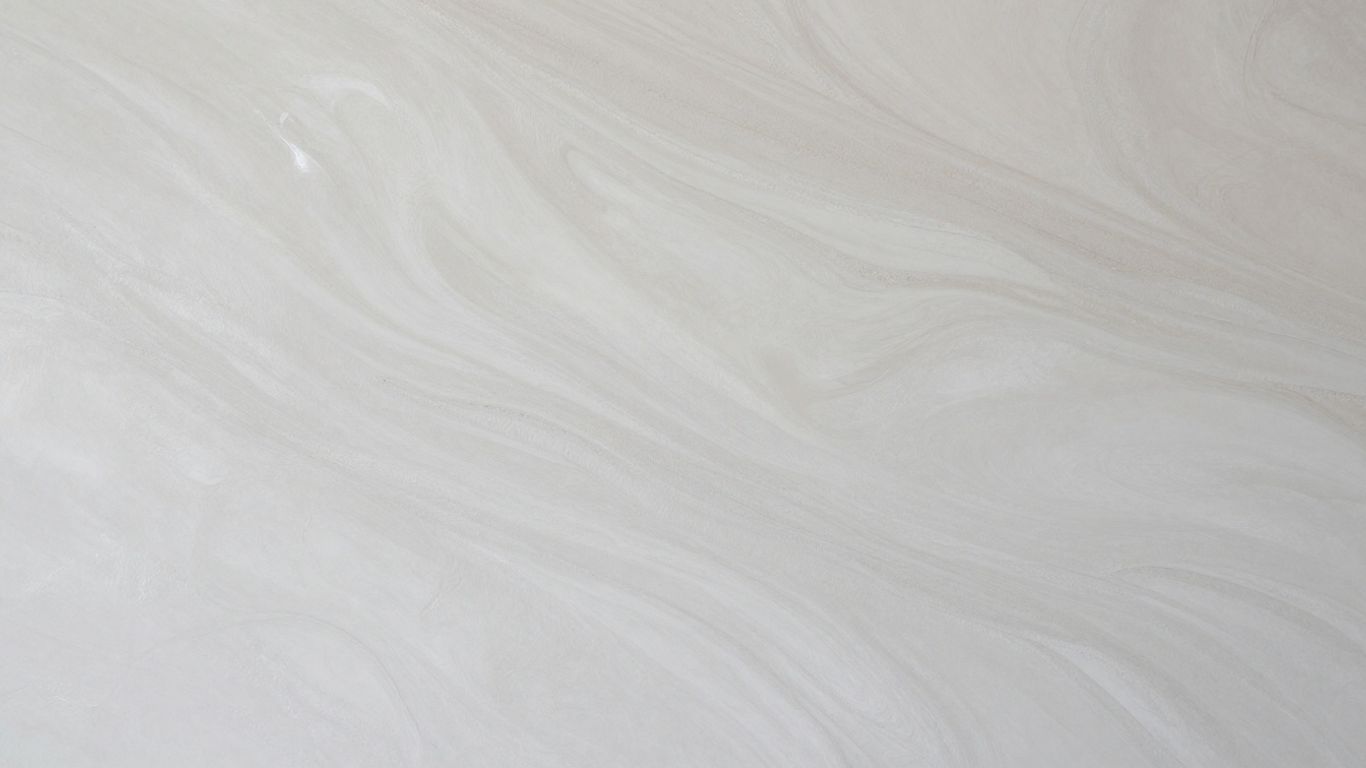
When thinking about where to use Venetian plaster, bathrooms and other potentially damp areas often come up. It’s a valid question because, let’s face it, nobody wants a plaster finish that starts to peel or get moldy. The good news is that Venetian plaster can actually work really well in these spots, but you do need to be smart about it.
Venetian Plaster in Bathroom Applications
Bathrooms are tricky spaces, right? Lots of moisture, steam, and cleaning. Venetian plaster can bring a really luxurious, spa-like feel to a bathroom. Its seamless look means no grout lines to scrub, which is a big win. Plus, the lime in traditional Venetian plaster is naturally resistant to mold and mildew. This makes it a surprisingly good choice for areas where moisture is a concern. However, it’s generally not recommended for the direct splash zones, like inside a shower stall. Think of it more for walls and ceilings that don’t get constantly wet. With the right protective sealants, though, its use can be expanded, making it more adaptable for various bathroom designs.
Suitable Spaces and Environments
Beyond the bathroom, Venetian plaster shines in many other parts of the home. Hallways and living rooms are fantastic places to showcase its elegance. It can handle foot traffic well, and its marble-like finish adds a touch of sophistication that really makes a statement. It’s also great for creating accent walls or feature areas in dining rooms or even bedrooms. Basically, anywhere you want a high-end, textured look that feels both classic and contemporary, Venetian plaster is a strong contender. It’s a material that can really transform a space, giving it depth and character that paint just can’t match. You can find some great examples of feature walls that really highlight its potential.
Harmonising with Bathroom Fixtures
When you’re planning a bathroom with Venetian plaster, think about how it will play with your fixtures. The plaster can be tinted in a huge range of colors, from soft neutrals to deep, rich tones. This means you can really tailor the look to match your sink, tub, and faucets. For a modern bathroom, a smooth, light-colored plaster can create a clean backdrop for sleek chrome fixtures. If you’re going for a more traditional vibe, a textured, darker plaster might complement antique brass or bronze fittings beautifully. It’s all about creating a cohesive look. The plaster’s ability to mimic natural stone also means it can feel very grounded and organic, which works well with natural materials often found in bathrooms, like wood or stone countertops. It’s a material that offers a lot of flexibility for designers and homeowners alike.
Cost and Installation Considerations
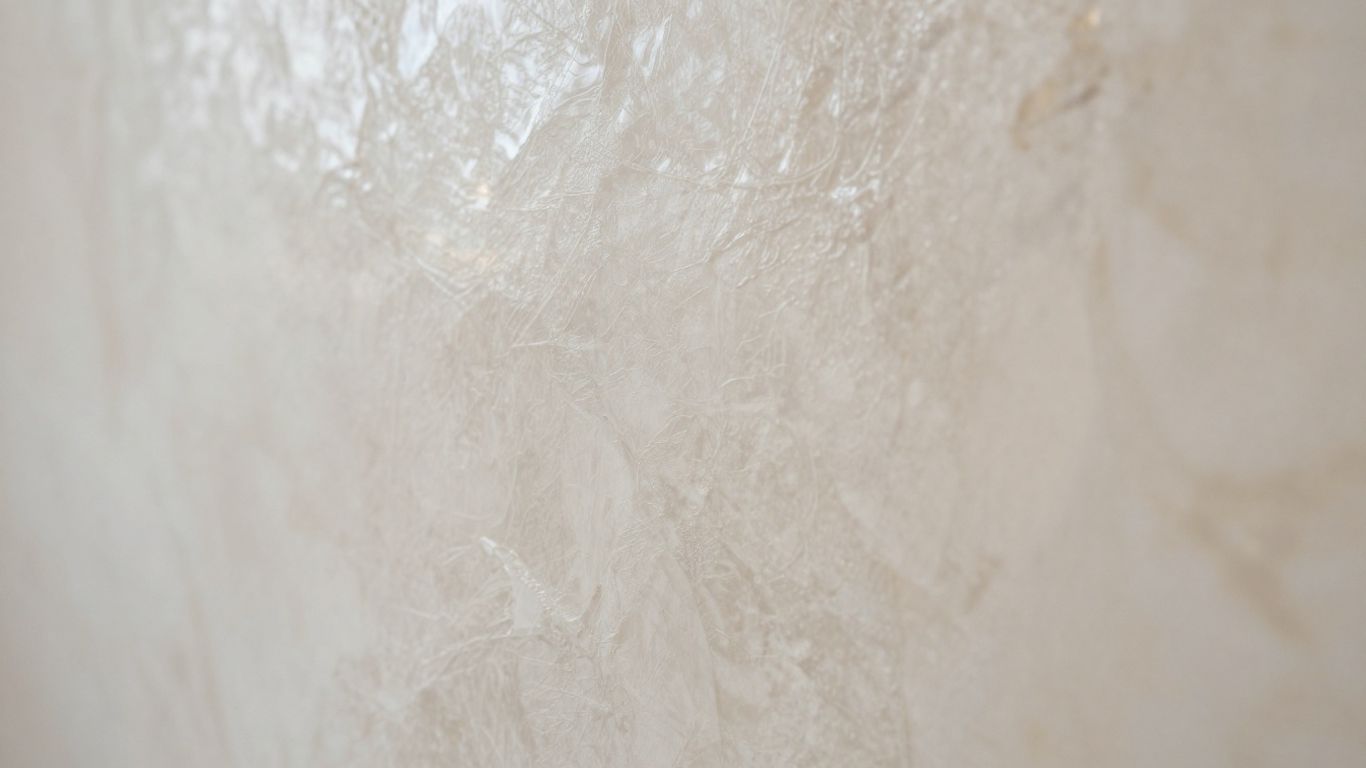
So, you’re thinking about Venetian plaster. It looks amazing, right? But before you commit, let’s talk about the nitty-gritty: the cost and how it actually gets put on your walls. It’s definitely not like slapping on a coat of paint, and that’s where a lot of the expense comes in.
How Much Does Venetian Plaster Cost?
This is where things can get a bit steep. Compared to regular plastering and painting, Venetian plaster is a significant investment. The price can really jump around depending on a few things:
The specific type of plaster: Some formulations are more complex and costly.
The color: Custom or darker colors might add to the price.
The quantity needed: Obviously, larger areas mean more material.
Generally, you’re looking at a range that can be anywhere from $12 to $30 per square foot, and that’s for both the materials and the labor. For a decent-sized room, say 200 square feet, you could be looking at a total bill between $3,000 and $6,000. It’s a premium finish, and the price tag reflects that.
Does a Specialist Need to Apply Venetian Plaster?
Here’s the honest truth: yes, ideally. Applying Venetian plaster isn’t a simple DIY job for most people. It requires a specific technique, a lot of patience, and a steady hand to get that signature smooth, layered look. You’ll find plenty of companies that specialize in this, and they know all the tricks. Hiring a professional is highly recommended to achieve the best results.
While you can find courses to learn the application yourself, remember that this material isn’t cheap. If you mess up, you’re not just out the cost of a can of paint; you’re out the cost of the plaster, primer, and wax for the entire area you tried to cover. It’s a big risk if you’re not experienced. For most homeowners, paying a specialist is the safer bet for a flawless finish.
When considering the cost, think about the longevity and unique aesthetic you’re getting. While the upfront price is higher, the durability and timeless appeal can make it a worthwhile investment over time, especially when compared to finishes that need frequent touch-ups or repainting.
Is a Venetian Plaster Bathroom Expensive?
Putting Venetian plaster in a bathroom can be a bit of a mixed bag when it comes to cost. On one hand, it can sometimes work out cheaper than high-end tile or natural stone options when you factor in both materials and labor. However, there’s a big caveat: Venetian plaster is lime-based and absorbs moisture. This means it’s generally not the best choice for wet areas like shower stalls or areas that get constantly splashed. If you’re set on that look in a bathroom, you might need to explore more water-resistant alternatives like microcement, which can be even more expensive than Venetian plaster itself. So, while it might be cheaper than some luxury bathroom finishes, its suitability for wet zones is a major consideration that could push you towards pricier, more appropriate materials.
Alternatives to Venetian Plaster
While Venetian plaster offers a unique, luxurious finish, it’s not always the best fit for every project or budget. Sometimes, you need something a bit more robust, easier to apply, or simply more cost-effective. Luckily, there are some great alternatives out there that can give you a similar high-end look without all the fuss.
Terrazzo GraniTech vs. Venetian Plaster
When you’re aiming for that sophisticated, polished look, Venetian plaster often comes to mind. But what if you need something that can handle a bit more wear and tear, especially in high-traffic areas or places prone to moisture? That’s where materials like Terrazzo GraniTech start to shine. Unlike traditional Venetian plaster, which can be susceptible to scratches and water absorption, Terrazzo GraniTech is designed for durability. It’s a resin-based decorative plaster that’s not only scratch-resistant but also completely waterproof. This makes it a fantastic option for bathrooms, kitchens, or even outdoor spaces where Venetian plaster might not be the most practical choice. Plus, it can often be applied more quickly and over existing surfaces, potentially saving you time and money on prep work. The choice often comes down to balancing that classic, artisanal look with modern performance needs.
What Is the Best Plaster for Wet Areas?
This is a big question, especially if you’re thinking about bathrooms or kitchens. Traditional Venetian plaster, while beautiful, isn’t the top pick for areas that get consistently wet. It can absorb moisture, which over time, can lead to issues. For truly wet environments, you’ll want to look at plasters specifically designed for moisture resistance. Materials like Tadelakt, a traditional Moroccan plaster, are naturally waterproof and create a seamless finish, making them excellent for shower walls. Another option is a good quality cement-based plaster, which, when sealed properly, can also hold up well against water. Some modern microcement finishes also offer excellent water resistance and can mimic the look of polished concrete or stone, providing a sleek, contemporary alternative that’s much more suited to damp conditions than standard Venetian plaster. If you’re looking for a durable, cost-effective resurfacing option, microcement is definitely worth considering.
Here’s a quick look at how some alternatives stack up:
Tadelakt: Naturally waterproof, ideal for showers and wet rooms. Creates a smooth, seamless finish.
Cement-Based Plasters: Durable and can be sealed for water resistance. Offers a more industrial or rustic look.
Microcement: Versatile, waterproof when sealed, and can be applied over many surfaces. Great for modern aesthetics.
Limewash: A more natural, breathable finish that offers a soft, matte look. Less durable and not ideal for very wet areas.
When selecting a plaster for wet areas, always prioritize materials that are inherently waterproof or can be effectively sealed. The long-term performance and maintenance of your finish depend heavily on this choice. Don’t let a beautiful finish turn into a maintenance headache!
Ultimately, while Venetian plaster has its place, these alternatives provide practical solutions for different needs. Whether it’s for budget reasons, durability requirements, or suitability for wet environments, there’s a wall finish out there that will work for you. For a general idea of costs, Venetian plaster can cost around $27 per square foot, so exploring alternatives can be a smart move financially.
So, Is Venetian Plaster Worth It?
Alright, so we’ve talked a lot about Venetian plaster. It’s definitely got that wow factor, right? That smooth, marble-like look is pretty hard to beat, and it can make a room feel super fancy. Plus, it’s made from natural stuff, which is a nice bonus. But, let’s be real, it’s not cheap. Getting it done professionally costs a pretty penny, and if you mess up a DIY attempt, you’re looking at redoing it, which costs even more. It’s also not the best choice for bathrooms or places that get really wet, despite what some might say. If you’re after that high-end look and have the budget, and you’re okay with its limitations, then yeah, it could be a great choice for your home. But if you’re on a tighter budget or need something super tough for a wet area, you might want to look at other options we mentioned.
Frequently Asked Questions
What exactly is Venetian plaster?
Venetian plaster is a special kind of wall coating that looks a lot like marble. It’s made from natural stuff like lime and marble dust. It’s applied in many thin layers and then polished to give it a smooth, shiny, and sometimes textured look that’s really fancy.
Is Venetian plaster good for bathrooms?
While it can look beautiful, Venetian plaster isn’t the best choice for bathrooms or wet areas. Because it’s lime-based, it can soak up water, which might cause problems later on. Materials like microcement are usually a better fit for places with lots of moisture.
How much does Venetian plaster cost?
Venetian plaster is more expensive than regular plaster and paint. The cost can range from about $5 to $20 per square foot for the material itself, and applying it can cost up to $150 per square foot. This is because it’s made from lime and requires special primers, waxes, and a lot of careful work by skilled hands.
Do I need a professional to apply Venetian plaster?
It’s highly recommended to hire a professional because applying Venetian plaster takes a lot of skill and practice. While you can find courses to learn how to do it yourself, it’s a costly material, and mistakes can be expensive to fix. Professionals ensure you get that beautiful, smooth finish.
What are the main advantages of Venetian plaster?
Venetian plaster is really durable and can last for many years, often looking great for over 10 years without needing a repaint. It’s also eco-friendly because it’s made from natural materials and doesn’t release harmful chemicals. Plus, it can help control moisture and resist mold.
Are there alternatives to Venetian plaster?
Yes, there are! If you like the look but want something more durable or waterproof, especially for wet areas, you might consider materials like microcement or Terrazzo GraniTech. Limewash is another natural option that offers a different, often softer, look.