
So, you’re thinking about getting some plastering done. Maybe your walls are looking a bit sad, or perhaps you’re renovating. Whatever the reason, finding the right person for the job is key. It’s not just about slapping some plaster on, you know? You want someone who knows what they’re doing, won’t leave your place a mess, and won’t charge you an arm and a leg. To help you out, here are some things you should definitely ask a plasterer before you shake hands on a deal. It’s good to be prepared, right?
Key Takeaways
When you’re looking to hire a plasterer, ask about their past work. See if they’ve done jobs like yours before and if they can show you examples or give you names of people they’ve worked for.
Make sure the plasterer is properly licensed and qualified for the work you need done. This helps make sure they know their stuff and offers you some protection.
Talk about what materials they plan to use. Good materials make a big difference in how the job turns out, so ask what they recommend and why.
Get a clear idea of the total cost upfront. Ask about the price for the job itself, and also if there are any extra costs that might pop up later on.
Find out how they’ll protect your home during the work and what their plan is for cleaning up afterward. This helps avoid surprises and keeps your place tidy.
Understanding Plasterer Experience And Credentials
What Is Their Relevant Experience?
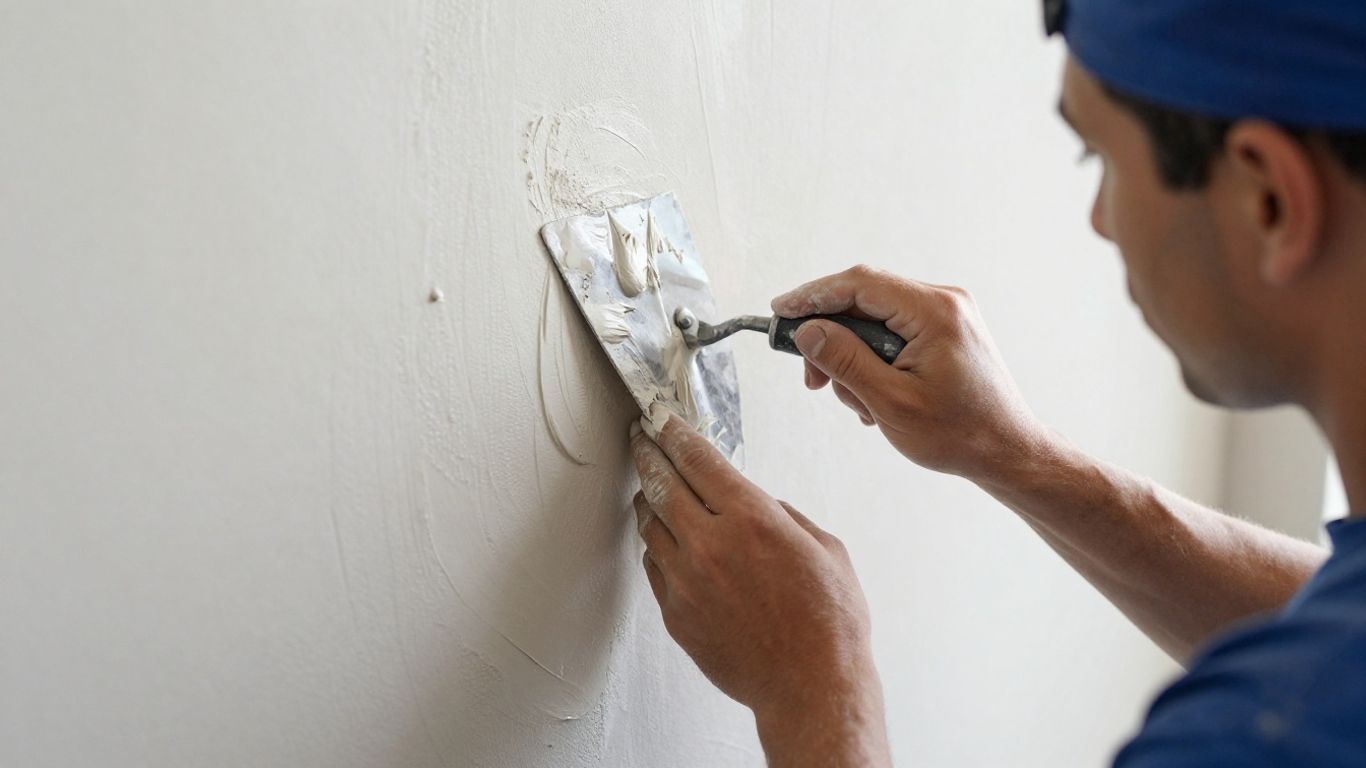
When you’re looking to get some plastering done, the first thing you’ll want to know is if the person you’re considering actually knows what they’re doing. It’s not just about slapping some plaster on a wall; there’s a real skill to it. Ask them how long they’ve been plastering and what kinds of jobs they’ve done before. Did they work on big renovations, small repairs, or maybe historic building restorations? You want someone who has tackled projects similar to yours. It’s also a good idea to ask if they have a portfolio or pictures of their past work. Seeing examples can give you a much better feel for their style and the quality of their finish.
Are They Licensed And Qualified?
This is a big one. You wouldn’t hire a doctor who wasn’t licensed, right? The same goes for tradespeople. Make sure your plasterer is properly licensed and has the necessary qualifications. This isn’t just a formality; it means they’ve met certain standards and are legally allowed to do the work. Requirements can vary depending on where you live, so it’s worth checking what’s needed in your area. A licensed professional offers a layer of protection for you and your property. It shows they’ve put in the time to learn the trade properly.
Can They Provide References?
Talking to past clients is like getting a sneak peek into how this plasterer works. Ask if they can give you a few names and numbers of people they’ve done work for recently. When you call these references, ask about their experience. Was the plasterer punctual? Was the work completed on time and within budget? Were they tidy? Did they communicate well? Hearing directly from others who have used their services can really help you make a confident decision. It’s a simple step, but it can save you a lot of potential headaches down the road.
Clarifying Project Scope And Timeline
Once you’ve got a feel for a plasterer’s background and they seem like a good fit, it’s time to get down to the nitty-gritty of your actual project. This is where you nail down exactly what needs doing and when it’ll get done. Skipping this step is like starting a road trip without a map – you might get somewhere, but it’s probably not where you intended.
What Type Of Plastering Do You Specialize In?
Plastering isn’t just one thing. Some plasterers are wizards with traditional lime plaster, perfect for older homes. Others are pros at modern gypsum or cement-based plasters, great for new builds or specific finishes. You want someone whose specialty lines up with your project. Ask them directly what they do most and what they’re best at. This helps make sure they’re not just dabbling in what you need but are truly skilled in it. It’s about finding the right tool for the job, and in this case, the plasterer is the tool.
How Long Will The Job Take To Complete?
This is a big one for planning. You need a realistic timeframe. A good plasterer will break it down for you. They’ll consider the size of the area, the condition of the existing surfaces, and the type of plaster being used. Weather can also play a part, especially for exterior work. Don’t just accept a vague “a few days.” Ask for a more detailed estimate, maybe even a simple schedule.
Here’s a rough idea of how timelines can vary:
Small Room (e.g., bathroom, small bedroom): Typically 2-4 days.
Medium Room (e.g., living room, master bedroom): Typically 3-5 days.
Multiple Rooms or Larger Areas: Can range from a week to several weeks.
Exterior Stucco: Often takes longer due to weather dependency and multiple coats.
Remember, this is just a guide. The plasterer’s estimate should be based on your specific situation.
How Will You Handle Unexpected Issues?
Things rarely go exactly as planned, right? Walls can hide surprises – old wiring, damp patches, structural quirks. A seasoned plasterer will have seen it all. Ask them how they approach problems when they pop up. Will they stop work and call you immediately? Do they have a go-to solution for common issues like rising damp or crumbling plaster?
It’s important to have a clear understanding of how potential problems will be communicated and resolved. A good plasterer won’t just cover up a hidden issue; they’ll discuss it with you and propose the best way forward, which might involve extra work and cost. Being upfront about this now saves a lot of headaches later.
Discussing Materials And Workmanship
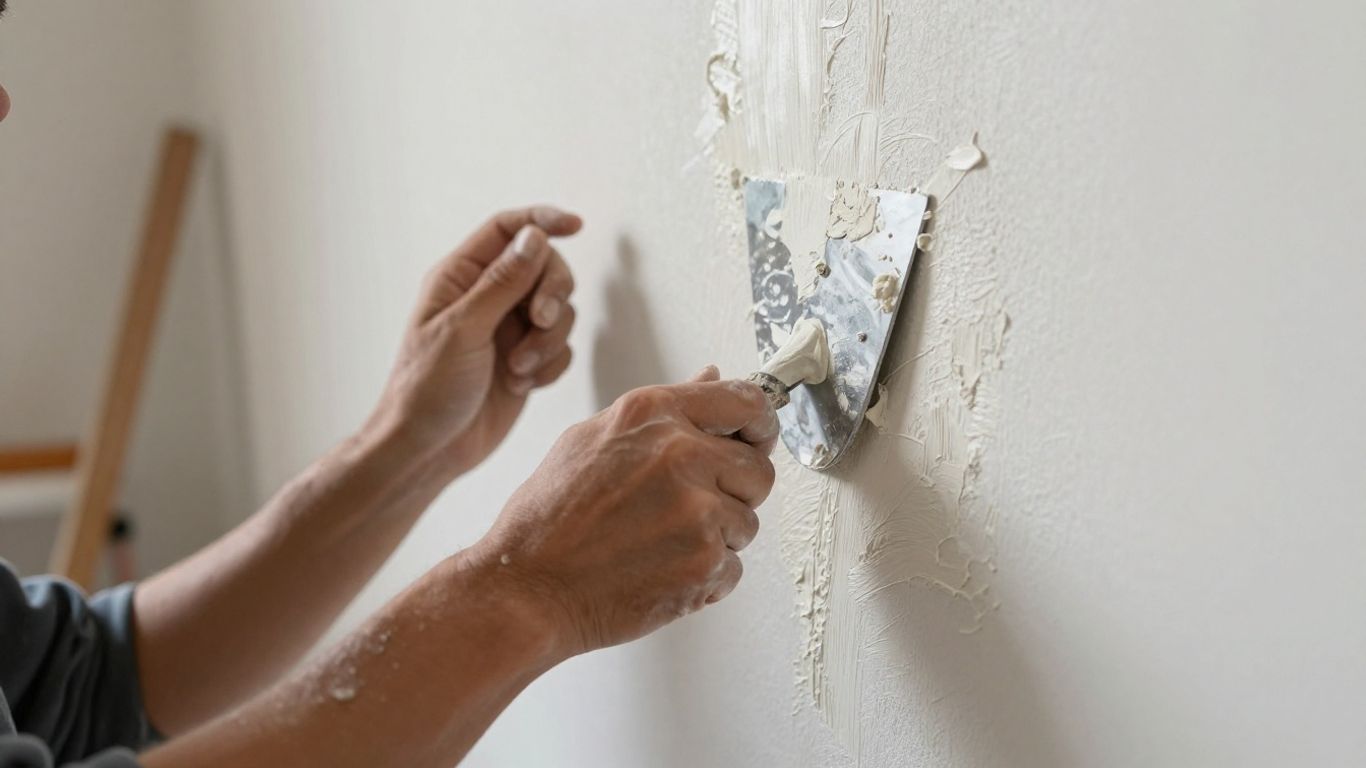
This part is all about making sure you and your plasterer are on the same page regarding what goes into the job and how it’s done. It’s not just about slapping some plaster on the wall; there’s a bit more to it.
What Materials Will Be Used?
It’s smart to ask what kind of plaster they plan to use. Different jobs might need different types. For instance, interior walls usually get a gypsum-based plaster, which dries pretty fast and is easy to work with. If you’re doing something outside, or a place that gets wet, a cement-based plaster is usually the way to go because it holds up better against the elements. You might also want to ask if they use any special additives or bonding agents. Sometimes, certain plasters can even help a bit with keeping your place warmer or quieter. Knowing the materials helps you understand the quality and suitability for your specific needs.
What Techniques Will Be Employed?
This is where you get a feel for their skill. Ask them how they plan to apply the plaster. Are they using traditional hand-troweling methods, or do they use spray machines for larger areas? For repairs, they might use a specific technique to blend the new plaster with the old so you can’t even tell there was a problem. It’s also good to ask about how they’ll prepare the surface before plastering – things like applying a bonding agent or mesh tape for cracks can make a big difference in the final look and how long it lasts. A good plasterer will have a clear process for getting the best finish.
Do You Offer A Guarantee On Your Work?
This is a big one for peace of mind. A plasterer who stands by their work will usually offer some kind of guarantee. This could mean they’ll come back and fix any cracks or issues that pop up within a certain period after the job is done, at no extra cost to you. It’s important to ask exactly what the guarantee covers and for how long. Some might cover specific defects for a year, while others might offer a satisfaction guarantee until you’re completely happy. It shows they’re confident in their abilities and want you to be happy with the result.
Don’t be afraid to ask for details. A professional plasterer should be happy to explain their methods and materials. It’s your home, and you have a right to know what’s going on.
Addressing Costs And Payment Terms
This is where things can get a little tricky, but being upfront about money is super important. You don’t want any surprises later on, right? So, let’s talk about what you should be asking.
What Is The Estimated Cost For The Project?
First off, you need a clear picture of the total cost. Ask for a detailed quote. This shouldn’t just be a lump sum; it should break down the costs for materials and labor. Some plasterers might give you a price per square meter, while others might quote a flat fee for the whole job. It’s good to get a few quotes to compare, but remember, the cheapest isn’t always the best. Look at what’s included in each quote.
Are There Any Potential Additional Charges?
This is a big one. Sometimes, the initial quote doesn’t cover everything. Ask specifically about potential extra costs. Things like needing scaffolding for high ceilings, the cost of hiring a skip for waste disposal, or even extra travel time if the plasterer is coming from far away. If your walls are in rough shape and need a lot of prep work, that could also add to the bill. Always clarify what’s not included in the main quote.
What Are The Payment Terms And Schedule?
How and when you pay is just as important as how much it costs. Discuss this early. Will you need to pay a deposit upfront? Will there be progress payments as the job moves along, or is it all due upon completion? Some plasterers might prefer bank transfers, while others might take checks. Knowing this upfront helps you budget and avoids any awkward conversations later.
It’s wise to get all the cost details and payment terms in writing. A written quote or contract acts as a safety net for both you and the plasterer, making sure everyone’s on the same page about the financial side of the project.
Ensuring A Clean And Professional Process
When a plasterer is working in your home, you want to feel confident that they’ll treat your space with respect. It’s not just about the final plaster finish; it’s about the entire experience. A good plasterer understands that construction work can be disruptive, and they’ll take steps to minimize that disruption and keep things tidy.
How Will You Protect My Property During Work?
This is a big one. You don’t want dust and debris spreading through your entire house. Ask them specifically what measures they’ll put in place. This might include:
Using dust sheets and protective coverings for floors, furniture, and any fixtures that can’t be moved.
Sealing off work areas with plastic sheeting and tape to contain dust.
Carefully moving and protecting items that are in the immediate work zone.
Having a plan for ventilation to help manage dust and fumes.
A professional plasterer will come prepared with the right tools and materials not just for the plastering itself, but also for protecting your home. They should be able to walk you through their process for keeping your space clean and safe before they even start.
What Is Your Plan For Site Cleanup?
Nobody wants to be left with a huge mess to clean up after the plasterer leaves. A professional will always include cleanup as part of their service. Ask them about their cleanup routine. Will they remove all debris and waste materials? Will they do a final sweep or vacuum of the work area? It’s important to clarify that the site will be left in a tidy condition. This usually involves removing all plaster scraps, dust, and any protective coverings they used. Some might even offer a light wipe-down of surfaces they worked near.
Wrapping It Up
So, you’ve gone through all the questions to ask a plasterer. It might seem like a lot, but really, it’s just about making sure you and the person doing the work are on the same page. Asking about their background, what materials they use, and how they handle things like cleanup and unexpected issues helps a ton. Getting a clear quote and understanding the timeline avoids headaches later. By doing your homework and asking these straightforward questions, you’ll be in a much better spot to find a plasterer you can trust to do a good job on your place. It’s all about finding someone reliable who knows their stuff.
Frequently Asked Questions
How much experience does the plasterer have?
It’s smart to ask how long they’ve been plastering and if they’ve worked on jobs like yours before. Someone with years of experience and lots of different projects under their belt is usually a safe bet. They’ll know how to handle tricky spots and get a great finish.
Are they licensed and qualified?
Many places require plasterers to have a license to work, especially for bigger jobs. This license means they’ve had the right training and are qualified to do the work. It’s like a stamp of approval that gives you peace of mind.
Can they show you examples of past work or give references?
A good plasterer should be happy to show you pictures of jobs they’ve finished or give you the names of people they’ve worked for. Checking out their past work helps you see if their style matches what you want, and talking to previous clients can tell you a lot about how they work.
What kind of plastering do they specialize in?
Plastering isn’t just one thing! Some plasterers are great at smooth interior walls, while others might be experts in textured finishes or even decorative plasterwork. Knowing their specialty helps make sure they’re the right fit for your specific project.
How long will the job take to finish?
You’ll want to get a clear idea of the timeline. Ask them how long they think it will take and what might cause delays, like bad weather or unexpected problems. This helps you plan and avoid surprises.
What materials will be used and what’s the total cost?
It’s important to know exactly what kind of plaster they plan to use, as different materials have different qualities. Also, get a detailed quote that breaks down the cost of materials and labor. Make sure to ask if there are any other potential costs that might pop up later on.