
Your walls might be trying to tell you something. Cracks appearing out of nowhere, damp patches that won’t go away, or that hollow sound when you knock on the wall – these are all signs that your plaster could be on its way out. But how do you know when it’s time to call in a professional? And when can you get away with a simple patch repair instead of a full replaster? In this guide, we’ll walk you through the common warning signs that your walls need attention. We’ll also help you understand when a quick fix will do the job and when it’s worth investing in a complete replaster. These signs of failing plaster are important to spot early.
Key Takeaways
Small hairline cracks are normal, but cracks that spread from corners or reappear after filling can indicate serious issues with your plaster.
A hollow sound when tapping your walls means the plaster has detached from the underlying surface and will likely fail.
Damp patches that keep returning, along with discolored stains or bubbling paint, point to moisture problems that degrade plaster.
A crumbling, flaking, or powdery texture on your walls suggests the plaster is weak, has lost its bond, or is breaking down.
Bulging or uneven plaster surfaces are visual cues that something is wrong behind the wall, often due to moisture or structural movement.
Recognizing Cracks As Signs Of Failing Plaster
Okay, so you’re looking at your walls and you see some cracks. Happens to everyone, right? Buildings settle, things shift a little. But sometimes, those cracks are trying to tell you something more serious is going on with your plaster. It’s not always just a cosmetic issue.
Cracks Spreading From Corners
Little hairline cracks around window frames or door openings? Pretty normal. They usually show up as the house settles over time. But when you start seeing cracks that look like they’re branching out from these corners, getting wider or longer, that’s a different story. This often means the plaster isn’t sticking to the wall behind it like it should. Think of it like tree roots spreading out – that’s a sign of something deeper going on.
Deep or Spreading Cracks
If a crack is more than just a thin line, maybe wider than a credit card (about 3mm), or if it seems to be getting longer or deeper over time, pay attention. These aren’t just surface-level issues. They can point to movement within the wall structure itself or a significant loss of adhesion in the plaster. It’s the kind of crack that, if you fill it, you know it’s just going to come back.
Reappearing Cracks After Repair
This is a big one. You fill a crack, maybe sand it down, paint over it, and a few weeks or months later, there it is again. Sometimes it’s even worse than before. This is a classic sign that the underlying problem hasn’t been fixed. The plaster might be de-bonding, or there could be moisture issues causing it to move and crack repeatedly. It’s like putting a band-aid on a broken bone – it just doesn’t solve the real problem.
The Sound Of Trouble: Detecting Hollow Plaster
Sometimes, the problems with your plaster aren’t visible at first glance. You might need to use your ears to figure out what’s going on. Listening to your walls can reveal hidden issues.
The Hollow Wall Test
This is a pretty straightforward test you can do yourself. Just take your knuckles and give your wall a gentle tap. Listen closely to the sound. If the plaster is still well-attached to the underlying structure, you’ll hear a solid, dull thud. It sounds firm, like you’re tapping on wood. However, if you hear a hollow, almost drum-like echo, that’s a red flag. This hollow sound means the plaster has started to separate from the wall behind it. This condition is often called “blown” plaster, and it’s a sign that it’s only a matter of time before cracks appear or pieces start to fall off.
Here’s how to do it:
Walk around your room and tap the walls in various spots. Pay attention to different areas, especially near corners, windows, and doors.
Compare the sounds. Try to find a spot you know is solid and use that as your reference.
If you hear that hollow sound, mark the area with a piece of masking tape. This helps you keep track of the spots that need closer inspection.
Sounding Out Detached Plaster
When plaster loses its bond with the wall, it creates small air pockets or gaps between the plaster and the brick or lath behind it. Tapping the wall is the best way to find these weak spots. A solid plaster layer will sound dense and firm. But where there’s a gap, the sound changes. It becomes resonant, like tapping on an empty box. This detachment means the plaster is no longer supported properly and is much more likely to crack or crumble under pressure, even just from normal house settling or minor impacts.
Identifying Gaps and Air Pockets
These gaps aren’t always visible. They can form over time due to moisture, movement in the building, or even just the aging of the materials. The hollow sound is your cue that these unsupported sections exist. It’s like finding a soft spot on a mattress – you know something isn’t right underneath. Ignoring these hollow sounds can lead to more significant damage down the line, as the plaster in these areas becomes increasingly unstable.
The sound your walls make when tapped is a direct indicator of how well the plaster is adhering to the structure behind it. A consistent, solid sound suggests good adhesion, while a hollow or drum-like sound points to a loss of bond, creating a weak point that is prone to failure.
Visual Clues Pointing To Plaster Degradation
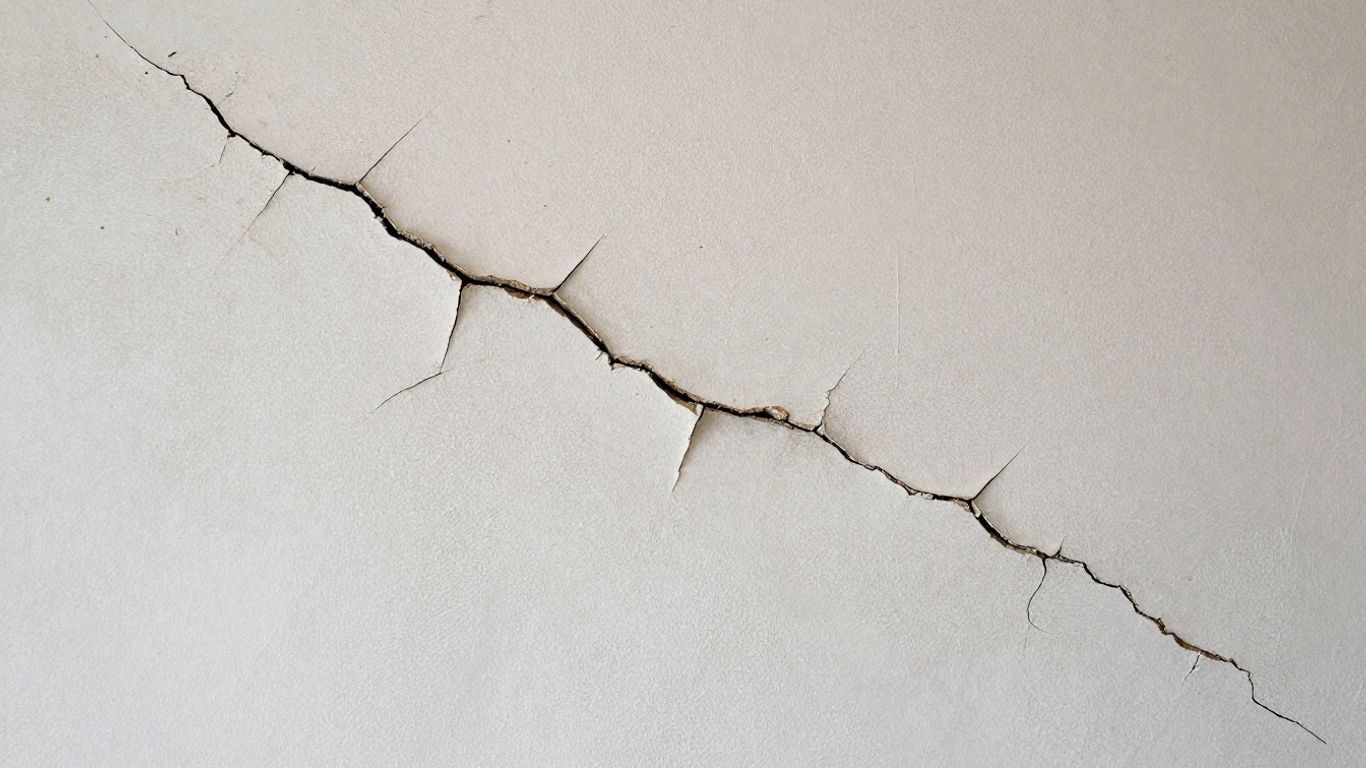
Sometimes, your walls will just look wrong. It’s not always about cracks or hollow sounds; there are other visual cues that tell you the plaster isn’t doing so well. Paying attention to these can save you a headache down the road.
Damp Patches That Keep Returning
If you’ve noticed a damp spot on your wall, painted over it, and then watched it creep back through the paint a few weeks later, that’s a big clue. It means the plaster itself is likely holding onto moisture. Over time, this constant dampness weakens the plaster, making it brittle and prone to breaking down. It’s not just an eyesore; it’s a sign that the material is compromised.
Look for discolored areas that reappear after painting.
A persistent musty smell near the spot is also a bad sign.
Check if the paint in that area is bubbling or peeling, even after you’ve tried to fix it.
Discoloured or Yellowing Stains
These stains are often linked to moisture, but they can also indicate other issues. Sometimes, it’s a sign that the plaster wasn’t mixed correctly, or that minerals from the underlying wall are leaching through. Yellow or brown marks, especially if they seem to spread or darken over time, are definitely worth investigating. They can make even a freshly painted room look old and neglected.
These stains aren’t just about looks; they can signal underlying problems like water ingress or material breakdown that need addressing before they worsen.
Bubbling or Peeling Paint
This is a classic sign that something is wrong beneath the surface. When paint starts to bubble up or peel away in sections, it’s usually because moisture or air is trapped between the paint layer and the plaster. It can also happen if the plaster itself is weak or crumbling, and the paint is losing its grip. It makes your walls look terrible and is a clear indicator that the plaster isn’t providing a stable base.
Tactile Indicators Of Failing Plaster
Sometimes, you can tell a lot about your plaster just by touching it. It’s not all about what you see; how the wall feels can tell you a story too. Running your hand over the surface is a simple way to catch problems early.
Crumbling or Flaking Surfaces
If you run your fingers across a wall and it feels gritty, or worse, small bits start to break off, that’s a bad sign. This usually means the plaster is old, has lost its strength, or wasn’t mixed or applied correctly in the first place. It’s like the plaster is just giving up. You might find dust or powdery bits collecting at the base of the wall, especially after you’ve touched it.
Sandy or Powdery Texture
Walls should feel smooth and solid. A plaster that feels sandy or powdery when you touch it suggests that the sand and cement weren’t mixed properly, or the plaster is drying out too quickly and breaking down. It’s a sign the plaster is weak and might not be sticking well to the wall underneath.
Loose Sections That Move
Give the wall a gentle push in a few spots. If you feel any give, or if sections of the plaster feel loose and move under pressure, it means the plaster has likely detached from the underlying structure. This is often called ‘blown’ plaster. It’s unstable and a clear indicator that repairs are needed before it starts to crack or fall off completely.
Addressing Bulging and Uneven Plaster
Bulging Plaster Indicates Underlying Issues
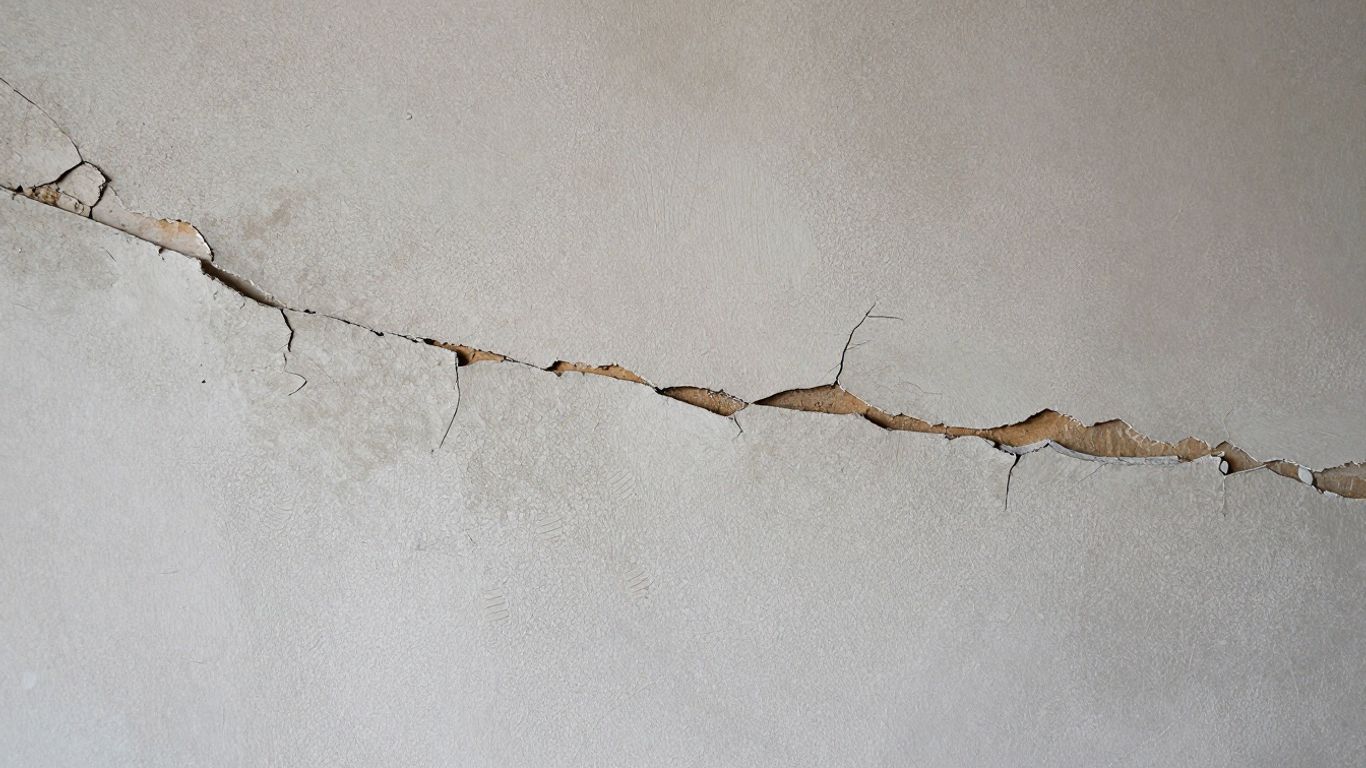
Sometimes, you might notice that parts of your plaster wall seem to be pushing outward, creating a bulge. This isn’t just a cosmetic problem; it’s a pretty clear signal that something’s going on behind the scenes. Often, this is caused by moisture getting into the wall structure. Think about leaks from pipes, roof issues, or even rising damp. When the plaster gets wet, it can lose its grip on the wall behind it, and the added weight or expansion can cause it to bulge. It’s like the wall is saying, “Help! Something’s wrong back here!” These bulges are unstable and can eventually break away, so it’s important to get them looked at.
Wavy Surfaces and Uneven Finishes
Beyond obvious bulges, you might also see that your walls aren’t perfectly flat anymore. They might look a bit wavy or have uneven spots, especially when light hits them at an angle. This can happen for a few reasons. Maybe the original plastering job wasn’t the best, or perhaps over the years, multiple layers of paint, wallpaper, or filler have been applied, making the surface lumpy. Old lath and plaster walls can also lose their strength over time, leading to dips and waves. You’ll often notice this more when you’re trying to install new trim, hang cabinets, or even just paint. A wall that isn’t flat can make these tasks much harder and the final result look unprofessional.
The Importance of Flat Walls
Why does a flat wall matter so much? Well, for starters, it just looks better. A smooth, even surface makes a room feel more finished and well-maintained. But it’s also practical. When you’re decorating, a flat wall is key. Trying to paint or wallpaper over an uneven surface is a headache, and the results often look bad. Tiles won’t sit right, and even hanging pictures can be tricky if the wall isn’t true. If you’re planning any kind of finishing work, like tiling or installing new fixtures, a flat, stable plaster surface is the foundation for a good job. If your walls are looking a bit wonky, it might be time to consider getting them replastered to get that smooth, paint-ready finish back.
When Paint Won’t Stick: A Decorating Nightmare
So, you’ve prepped your walls, bought the perfect shade of paint, and you’re ready to transform your room. But then it happens – the paint just won’t cooperate. It peels, it cracks, or it slides right off. This isn’t just a decorating mishap; it’s a clear sign that your plaster might be the problem.
Paint That Peels or Cracks
If you’re finding that fresh paint is flaking off in sheets or developing tiny cracks shortly after application, it’s a strong indicator of poor adhesion. This often happens when the underlying plaster surface isn’t stable or properly prepared. Years of different paint layers, wallpaper paste, or even just dust and grime can prevent new paint from forming a solid bond. This is your plaster telling you it’s time for a reset.
The Wall Surface Isn’t Stable
When paint doesn’t stick, it’s usually because the surface it’s trying to adhere to is compromised. This could mean the plaster itself is degrading, becoming powdery, or has moisture issues. Trying to paint over these problems is like building on a shaky foundation – it’s just not going to last. You might notice that even after sanding and priming, the paint still struggles to stay put. This is especially common if you’re dealing with older plaster that’s starting to break down or has been affected by dampness.
Resetting for a Paint-Ready Finish
What’s the solution when paint refuses to cooperate? Often, the only way to get a truly smooth, durable finish that paint will love is to start fresh. This usually involves removing the old, problematic layers of paint and plaster and applying a new skim coat. This process creates a clean, stable, and uniform surface that’s ideal for decorating. It’s about giving your walls a solid base so your paint job looks great and lasts for years to come. If you’re facing this decorating dilemma, it might be time to consider professional plastering services to get your walls back in shape.
So, What’s the Verdict?
Look, nobody wants to deal with home repairs, right? But those little cracks or damp spots aren’t just eyesores. They’re your walls basically waving a red flag, saying ‘Help me!’ Ignoring them is like ignoring a leaky faucet – it usually just gets worse and costs more to fix later. If you’ve noticed any of the signs we talked about, like spreading cracks, weird hollow sounds, or plaster that just crumbles when you touch it, it’s probably time to call in a pro. A good plasterer can tell you if it’s a quick patch job or if you need a full overhaul. Better to get it sorted now before it becomes a bigger headache (and a bigger bill).
Frequently Asked Questions
What are the main signs that my plaster is failing?
Watch out for cracks that are getting bigger or spreading, especially from corners. Also, listen for a hollow sound when you tap the wall, which means the plaster might be loose. Damp patches that keep coming back, or surfaces that feel crumbly and sandy to the touch, are also big red flags.
How can I tell if a crack in the plaster is serious?
Small, thin cracks that don’t change much might just be from the house settling. But if you see cracks that are wide, deep, branching out like tree roots, or keep showing up again after you’ve filled them, it’s a sign the plaster is losing its grip on the wall.
What does a hollow sound when tapping a wall mean?
When you tap a wall and hear a hollow or drum-like sound, it usually means the plaster has separated from the wall behind it. This is often called ‘blown’ plaster, and it’s not stable. It’s likely to crack or even fall off eventually if not fixed.
Why do damp patches keep coming back even after painting?
Damp patches that reappear usually mean there’s moisture getting into the plaster itself. The plaster has likely become weak and can’t hold back the dampness anymore. Painting over it just hides the problem temporarily; the moisture will find its way through again.
Can I just patch up failing plaster, or do I need to replaster the whole wall?
For small areas, maybe less than a square meter, and if the main problem (like a leak) is fixed, a patch repair might work. But if the damage is widespread, the plaster is crumbling everywhere, or cracks keep coming back, it’s usually better and more cost-effective in the long run to replaster the entire wall or room.
What happens if I ignore signs of failing plaster?
Ignoring plaster problems can lead to bigger and more expensive issues. Moisture can damage the wall structure underneath, leading to rot or mold. Paint and wallpaper won’t stick properly, making decorating a nightmare. Plus, loose plaster can become a safety hazard if it falls.