
Getting plastering done can really change how a room looks, smoothing out bumps and making it ready for paint. But figuring out the cost can be tricky. You get these plastering quotes, and they all seem to say different things. What goes into the price? How do you even compare them fairly? This article breaks down what to look for in plastering quotes so you can get a good deal and a great finish.
Key Takeaways
The final cost of plastering depends a lot on the size and shape of the room, plus the condition of the walls before work starts.
Different types of plaster, like gypsum, lime, or cement, have different price tags and suit different jobs.
Labor costs can change a lot depending on where you live; cities usually cost more than rural areas.
Always check what’s included in your plastering quotes – prep work, materials, and the type of finish can all be listed separately.
Comparing plastering quotes isn’t just about the lowest number; consider the plasterer’s experience, what’s covered by a warranty, and the overall value.
Understanding Your Plastering Quotes
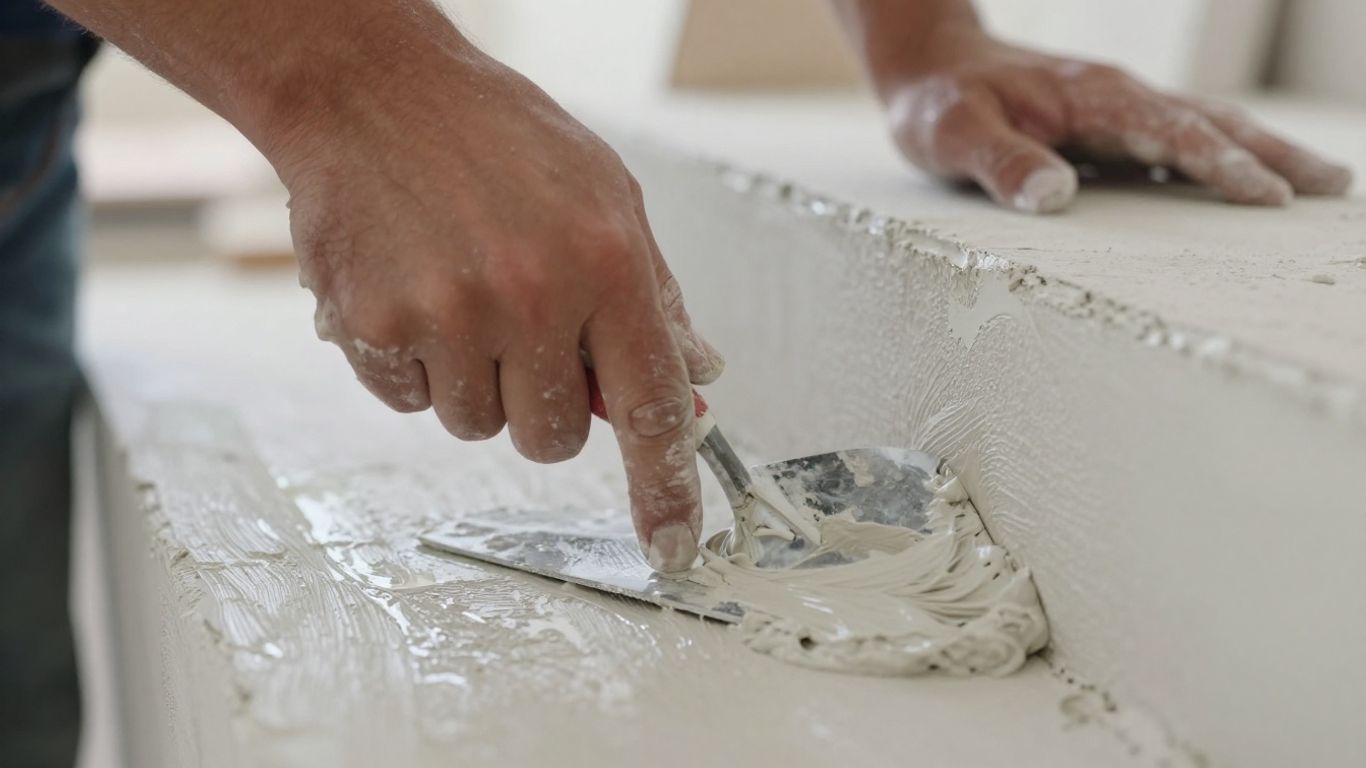
Getting a plastering quote might seem straightforward, but there’s a bit more to it than just a number. It’s like looking at a menu – you see prices, but you need to know what you’re actually ordering. A good quote breaks down all the costs so you know exactly what you’re paying for. This section will help you figure out what should be in that quote and how to compare the different offers you get.
Factors Influencing Plastering Prices
Several things can make one plastering job cost more or less than another. It’s not just about the size of the room. Think about the condition of the walls you’re plastering over. Are they new drywall, or are they old, bumpy plaster that needs a lot of work to smooth out? That prep work can add a significant chunk to the bill. Then there’s the type of plaster itself. Basic gypsum plaster is pretty standard, but if you’re dreaming of a fancy Venetian plaster finish or something with a special texture, that’s going to cost more. And of course, where you live matters too. Labor rates can be quite different depending on your region.
What Your Plastering Quote Should Include
A proper quote isn’t just a total price. It should give you a clear picture of the work involved. You should see a breakdown of the materials being used, like the type and quantity of plaster. It should also detail the labor costs, including an estimate of how long the job will take. Don’t forget to check if preparation work, like cleaning or minor repairs, is included. Sometimes, quotes might have separate line items for things like waste disposal or travel costs, so look out for those.
Here’s a quick checklist of what to look for:
Materials: Type of plaster, quantity, any special additives.
Labor: Estimated hours, hourly rate or fixed price.
Preparation: Cleaning, patching, sanding, priming.
Finishing: Number of coats, type of finish (smooth, textured).
Additional Costs: Waste removal, travel, site protection.
Comparing Different Plastering Service Providers
When you get quotes from a few different plasterers, it’s easy to just pick the cheapest one. But that’s not always the best move. You need to compare them apples to apples. Make sure each quote is for the same scope of work. If one quote seems much lower, try to figure out why. Are they cutting corners on materials? Is their labor estimate way off? It’s also worth looking at their experience and checking reviews. A slightly higher quote from a reputable plasterer might save you headaches down the line.
Always ask for quotes in writing. Verbal agreements can lead to misunderstandings later on, especially when it comes to costs and what’s included in the job. A detailed written quote protects both you and the plasterer.
Core Elements Affecting Plastering Costs
When you’re getting quotes for plastering work, a few big things really shape the final price. It’s not just about the size of the room; the condition of your walls, the type of plaster you choose, and even where you live all play a part. Understanding these core elements can help you make sense of different quotes and figure out what you’re really paying for.
Wall Condition and Necessary Preparation
The state of your existing walls is a major factor. If your walls are in pretty good shape, maybe just needing a light clean and a quick skim, that’s going to be less work and therefore less expensive. But if you’ve got old, damaged plaster, cracks, water stains, or uneven surfaces, a plasterer has to do a lot more prep work. This can involve scraping off old material, repairing underlying issues, or even applying special bonding agents to make sure the new plaster sticks properly. The more prep work needed, the higher the cost will be.
Think about it like this:
New Drywall: Usually requires minimal prep, maybe just taping and mudding joints. This is generally the cheapest option.
Existing Plaster (Minor Damage): Might need some patching and sanding before a skim coat.
Heavily Damaged or Uneven Walls: Could require significant removal of old plaster, structural checks, and multiple layers of new plaster. This is the most labor-intensive and costly.
Sometimes, what looks like a simple plastering job can turn into a bigger project if underlying issues like damp or structural problems are uncovered during the preparation phase. It’s always best to be prepared for potential surprises, even if they add to the cost.
Plaster Material Choices and Their Impact
The type of plaster used significantly influences the price. Different materials have different costs and properties. For instance, standard gypsum plaster is common for interior walls and ceilings and is usually the most budget-friendly. However, if you’re looking for something more specialized, like lime plaster for a heritage property or a decorative finish such as Venetian plaster, you’ll be looking at a higher price tag. These specialty plasters often require more skill to apply and can be more expensive per bag or board.
Labor Rates and Geographic Variations
Where you live has a surprisingly big impact on plastering costs. Labor rates aren’t uniform across the country. Major metropolitan areas, especially on the coasts, tend to have higher labor costs due to a higher cost of living and greater demand for skilled tradespeople. You might find that plastering in a big city costs 20-30% more than in a smaller town or rural area.
Several factors contribute to these regional differences:
Cost of Living: Higher rents and general living expenses in certain areas mean tradespeople need to charge more to make a comparable income.
Demand: In areas with lots of construction or renovation projects, demand for plasterers can be high, driving up prices.
Availability of Skilled Labor: If there are fewer experienced plasterers in a particular region, their services become more valuable.
Travel Costs: Plasterers may charge more if they have to travel significant distances to your job site.
While you might find lower hourly rates in less populated areas, it’s worth considering that there might be fewer plasterers to choose from, and they might be booked further in advance. It’s a bit of a trade-off, so always get quotes from local professionals to get the most accurate picture for your specific location.
Decoding Plastering Quote Details
So, you’ve got a few plastering quotes in hand. Now what? It’s time to really dig into what they’re actually saying. Don’t just glance at the bottom line; that’s how you end up with surprises later on. A good quote breaks things down so you know exactly what you’re paying for.
Material Breakdown in Quotes
This is where they list all the stuff they’ll use. You’ll see things like the type of plaster (gypsum is common for standard jobs, but lime or cement might be used for specific finishes), any bonding agents, sand, and even things like joint tape and screws if they’re doing repairs or working with plasterboard. The quality and type of materials can really affect the final look and how long it lasts. Sometimes, a quote might just say ‘plaster’ – that’s not detailed enough. You want to see specifics, especially if you’re going for a particular look or need something durable.
Here’s a rough idea of what different plasters might cost per square foot, just for materials and labor combined:
Plaster Type | Typical Cost Per Sq Ft |
|---|---|
Gypsum (Standard) | £8 – £18 |
Cementitious | £10 – £20 |
Lime / Decorative | £25.00- £80.00+ |
Remember, these are just averages. Your location and the specific job will change things.
Labor and Time Estimates
This part of the quote covers the actual work the plasterer will do. It includes their time spent preparing the surface, applying the plaster, and finishing it off. A good quote will give you an idea of how many days or hours they expect the job to take. This helps you understand their pricing – are they charging a lot because it’s a complex job that takes ages, or just because their hourly rate is high?
Surface Preparation: Cleaning, sanding, patching holes, or applying a primer.
Plaster Application: The actual process of putting the plaster on.
Finishing Touches: Smoothing, texturing, and getting it ready for paint.
Cleanup: Tidying up the work area.
If a quote is vague about labor, like just saying ‘plastering included,’ that’s a red flag. You want to know what’s covered. Sometimes, minor repairs are included, but major damage might be extra. Always clarify this.
Understanding Additional Charges
This is the section to pay close attention to. Sometimes, quotes don’t include everything upfront. You might see charges for things like:
Travel costs: Especially if the plasterer has to come a long way.
Waste disposal: Getting rid of old plaster or debris.
Special finishes: Anything beyond a standard smooth coat, like textures or decorative effects.
Working at height: If you have very high ceilings, this can add to the cost.
Urgent project fees: If you need the work done really quickly.
Always ask about potential extra costs before you agree to anything. A quote should be as clear as possible, but it’s wise to have a conversation about what could add to the bill. It’s better to know upfront than to be surprised by a much higher final invoice.
Comparing Plastering Prices Effectively
So, you’ve got a few plastering quotes in hand, and now comes the fun part: figuring out which one makes the most sense. It’s not just about picking the cheapest option, though that’s tempting, right? You really need to look at what you’re getting for your money. The lowest price isn’t always the best deal.
Standard vs. Specialist Plaster Finishes
When you’re looking at quotes, pay close attention to the type of finish being offered. A standard smooth finish, like a basic skim coat, is usually the most budget-friendly. It’s perfect for most walls and ceilings that will be painted. But if you’re after something more decorative, like a Venetian plaster or a textured effect, expect those prices to climb. These specialist finishes require more skill, more time, and often more expensive materials. For example, a basic gypsum plaster might cost around $2.50–$6.00 per square foot, but a Tadelakt or Venetian plaster could easily jump to $15.00 per square foot or more. It’s like comparing a basic t-shirt to a custom-designed silk blouse – both cover you, but the cost and craftsmanship are worlds apart.
Cost Per Square Metre vs. Per Room Pricing
Most plasterers will quote you based on the area they need to cover, usually in square metres. This is a pretty standard way to compare prices because it gives you a clear metric. For instance, a basic skim over existing plasterboard might be £15–£25 per m², while a full replaster job could be £30–£50 per m². However, some might offer a per-room price, especially for smaller, straightforward jobs. If you’re getting quotes for multiple rooms, ask if they can offer a better rate for the whole project. Contractors often give a bit of a discount when they can work on a larger scope, saving you money and them time on setup and travel.
Assessing Value Beyond the Lowest Price
This is where you really need to put on your detective hat. What exactly is included in that price? Does it cover all the prep work, like cleaning and minor repairs? What about the type and quality of the plaster itself? Some quotes might be vague on details, which can lead to unexpected charges later on. Always ask for an itemized breakdown. Look for things like:
Material Breakdown: What specific plaster are they using, and what’s the cost?
Labor and Time Estimates: How many hours do they anticipate, and what’s their hourly rate?
Preparation and Finishing: Is cleaning, sanding, or applying a mist coat included?
Waste Disposal: Are they taking away all the rubble and dust?
Don’t be afraid to ask questions. A good plasterer will be happy to explain their quote and what it covers. If a quote seems too good to be true, it probably is. You might end up with a shoddy finish that costs more to fix down the line. It’s better to pay a bit more upfront for quality work that lasts.
Also, consider the plasterer’s experience and reputation. Do they have good reviews? Can they show you examples of their past work? Sometimes, paying a little extra for a highly recommended professional is worth it for the peace of mind and the quality of the final result. You can find out more about wall plastering costs to get a general idea of pricing structures.
Navigating Plastering Quote Nuances
When you’re looking at plastering quotes, it’s not just about the bottom line. There are a bunch of little things that can really change the total cost and the final look of your walls. It’s easy to get caught up in the price per square foot, but sometimes the details matter more.
The Role of Room Size and Complexity
Think about the shape of the room. A simple square or rectangle is pretty straightforward. But if you have lots of nooks, crannies, bay windows, or built-in shelves, that’s more work for the plasterer. More cuts, more careful application around edges, and generally more time spent. This complexity can add up. A room that looks similar in size to another might cost more simply because it’s harder to get around.
Simple Box Room: Fewer corners, easier access, less detailed work.
Complex Room: Multiple angles, alcoves, built-ins, or unusual shapes.
High Ceilings: Require more material, potentially scaffolding or special ladders, and more time.
Always point out any unusual features of your room when getting a quote. Don’t assume the plasterer will notice or factor it in automatically. It’s better to be upfront about the tricky bits.
Impact of Ceiling Plastering vs. Wall Plastering
Plastering a ceiling is often more challenging and, therefore, more expensive per square foot than plastering walls. Why? Well, gravity is a factor. Plasterers have to work overhead, which is physically demanding and requires specific tools and techniques to keep the plaster from falling. It also means they need to be extra careful about protecting your floors and furniture. Plus, getting a perfectly smooth, flat ceiling finish is tough, and any imperfections are really noticeable under direct light. So, while you might see a rate for walls, expect the ceiling to cost a bit more. For example, plastering a ceiling can sometimes cost up to 50% more than plastering walls of the same area.
Considering Drying Times and Project Schedules
Plaster needs time to dry. This isn’t just a minor detail; it affects the whole project timeline and can sometimes influence costs. Different types of plaster have different drying times. A standard gypsum plaster might be ready for paint in a few days, while a lime plaster could take weeks. If you’re on a tight schedule, this is something to discuss. Rushing the drying process can lead to problems down the line, like paint cracking or the plaster not curing properly. Some contractors might charge extra if they have to schedule multiple visits or if the project is extended due to drying periods, especially if it means they can’t move on to another job. It’s wise to ask about the expected drying times for the materials being used and how that fits into their overall schedule.
Maximizing Value in Plastering Quotes
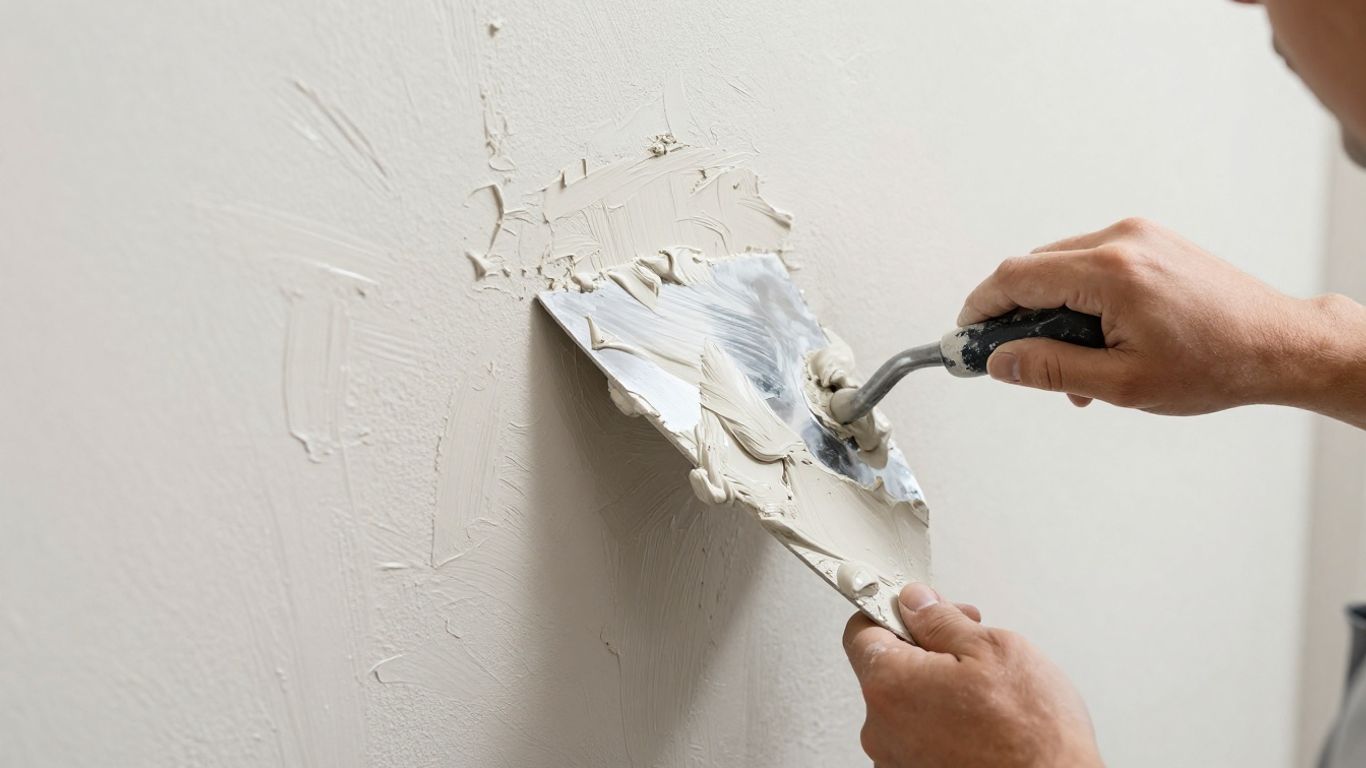
So, you’ve got a few plastering quotes in hand, and now it’s time to figure out which one actually gives you the most bang for your buck. It’s not just about picking the cheapest option, though that’s tempting. We’re talking about getting a solid, long-lasting finish that you won’t regret later. Let’s look at how to really get the most out of your plastering project.
Negotiating Warranties and Guarantees
This is a big one. A good plasterer should stand behind their work. Don’t be shy about asking what kind of warranty they offer. Most reputable pros will cover things like cracking or other issues that might pop up due to their application for at least a year. This protects you from having to pay for fixes down the line if something goes wrong that wasn’t your fault. It shows they’re confident in their skills and want you to be happy with the final result.
Ask about coverage: What exactly does the warranty include?
Duration: How long does the warranty last?
Exclusions: Are there any situations the warranty doesn’t cover?
Timing Your Project for Potential Savings
Believe it or not, when you schedule your plastering can make a difference. Contractors often have slower periods, usually in the late fall or winter. During these times, they might be more willing to offer slightly better rates to keep their teams busy. It’s not a guarantee, but it’s worth considering if your project timeline is flexible. Plus, if you’re doing other renovations, coordinating plastering with those can sometimes streamline the whole process and potentially save on setup or cleanup costs.
Choosing the Right Plastering Method
This ties back to the materials and finishes. While that fancy Venetian plaster looks amazing, it’s going to cost a lot more than a standard gypsum finish. Think about what you really need and what fits your budget. Sometimes, a good quality, standard plaster applied expertly is all you need for a beautiful, durable wall. If you’re looking for specific benefits, like improved insulation or humidity control, there are newer plaster types that might offer those features, but make sure you understand the cost difference upfront.
Here’s a quick look at how different finishes can stack up:
Plaster Type | Typical Use | Approximate Cost (per m²) | Notes |
|---|---|---|---|
Gypsum (Standard) | Interior walls and ceilings | £8 – £18 | Most common, good all-around |
Cementitious | Interior/Exterior, high-moisture | £10 – £20 | Durable, good for bathrooms/kitchens |
Lime | Traditional, breathable finish | £25 – £50+ | Historic homes, unique look |
Decorative (e.g., Venetian) | Feature walls, high-end finish | £30 – £80+ | Labor-intensive, unique textures/colors |
Remember, these are just ballpark figures. Always get detailed quotes based on your specific project and location. The cheapest option isn’t always the best value if it means sacrificing quality or durability. Look for a balance that meets your needs and budget while providing a finish that will last.
Wrapping It Up
So, getting plastering quotes might seem a bit much at first, but really, it’s just about knowing what to ask and what to look for. We’ve gone over how different plaster types, the state of your walls, and even where you live can change the price. Don’t forget to check if prep work and finishing touches are included in those numbers – that’s where hidden costs can pop up. Always get a few quotes, compare them side-by-side, and don’t be afraid to ask questions. A good plasterer will be happy to explain things clearly. Taking a little time now will save you headaches and money down the road, ensuring you get a great finish that you’ll be happy with for years.
Frequently Asked Questions
How do I figure out how much plastering I need for my house?
To get a good idea, measure the total area of all your walls. Add a little extra, maybe 10%, for any tricky spots or waste. It’s best to get at least three quotes from different plasterers to make sure the price is fair. You can also use online tools that estimate costs based on your area and the type of finish you want.
Do plastering quotes usually include the work needed to get the walls ready?
Not always! It’s super important to check if the quote covers things like cleaning the walls, fixing small holes, or smoothing out bumps. Some plasterers include this, while others charge extra. Always ask for a written quote that clearly lists everything included.
What kind of plaster should I look for?
For regular jobs, gypsum plaster is common and works well. If you’re working on an older building or want a more natural look, lime plaster is a good choice. For quick fixes or new walls, plasterboard (dry lining) is often used. Always check if the plaster meets safety standards like ASTM C587 for durability.
Is plastering a ceiling more expensive than plastering walls?
Yes, plastering ceilings usually costs a bit more. It’s harder work because the plasterer has to work overhead, which takes more time and effort. They might also need special tools or need to put up extra boards first, adding to the cost.
How long does plaster take to dry, and does that affect the cost?
Plaster needs time to dry properly between coats, and it can take several days or even weeks to fully cure, depending on how thick it is and the weather. While this doesn’t usually add to the direct cost, delays can push back other work like painting, potentially costing you more in the long run. Some plasters dry faster, which can save on labor time.
What’s the difference in price between a basic plaster job and a fancy one?
A basic plaster job, like a simple skim coat to make walls smooth for painting, is the cheapest. Fancy finishes, like Venetian plaster that looks like marble or textured plasters, cost much more. These special finishes need more skill and better materials, so they’ll significantly increase the price per square foot.