
Thinking about redoing your walls and wondering if Venetian plaster is a good option? It’s definitely a looker, with that smooth, marble-like finish that just screams luxury. But when you’re comparing it to something like tiles, especially here in the UK, the big question on everyone’s mind is about the cost. Is Venetian plaster cheaper than tiling? Let’s break down what goes into the price and what you can expect.
Key Takeaways
Venetian plaster can be more expensive than traditional tiling, especially when factoring in professional application and specialized materials like primers and waxes.
The cost of Venetian plaster varies significantly based on the complexity of the design, the specific materials used, and the area being covered.
While DIY Venetian plaster can save on labor, the skill required and the cost of materials if mistakes are made mean professional installation is often recommended.
Venetian plaster offers a unique aesthetic appeal, mimicking marble and providing versatile design possibilities, but it’s generally not considered cheaper than tiling.
Tadelakt, another lime-based plaster, is often compared to Venetian plaster and is particularly suited for wet areas like bathrooms, offering a different, though often equally premium, finish.
Understanding The Cost Of Venetian Plaster
When you’re thinking about Venetian plaster, the first thing that usually pops into people’s minds is the price tag. It’s definitely a step up from your standard plaster and paint job, and that’s mostly because of the materials and the skill involved. It’s not just about slapping some stuff on the wall; there’s a whole process to it.
Material And Application Expenses
The cost of Venetian plaster breaks down into a couple of main parts: the materials themselves and the labour to put them on. The plaster itself is made from things like slaked lime, crushed marble, and other natural stuff. Then you’ve got primers, colour pigments if you want something other than the natural look, and often a wax or sealer to finish it off and protect it.
When it comes to application, it’s a bit like a dance. The plaster needs to be applied in many thin layers, and each layer has to dry just right before the next goes on. This takes time and a steady hand. Plus, the tools used are often specialized, like smaller trowels that allow for more control to get that smooth, marble-like finish. It’s this combination of quality materials and the time-intensive application that really drives up the cost.
Factors Influencing Venetian Plaster Pricing
So, what makes one Venetian plaster job cost more than another? A few things, really. The size of the area you’re covering is obvious – bigger walls mean more materials and more time. But it’s not just about square metres. The complexity of the design you’re after plays a huge role. Are you going for a simple, smooth finish, or do you want intricate patterns, multiple colours, or metallic effects? The more detailed the look, the longer it takes and the more skill is needed, which naturally bumps up the price.
Also, the condition of your walls matters. If they need a lot of prep work – like filling holes, fixing cracks, or getting a perfectly smooth base coat – that’s extra time and cost before the Venetian plaster even goes on.
Here’s a general idea of what you might expect:
Basic Smooth Finish: This is usually the most budget-friendly option.
Coloured Finishes: Adding pigments will increase the cost slightly.
Metallic or Textured Finishes: These often require more layers and specialized techniques, making them more expensive.
Complex Designs: Intricate patterns or multi-tone effects will command a higher price.
Cost Comparison To Traditional Finishes
Compared to standard plastering and painting, Venetian plaster is definitely an investment. Traditional plastering followed by a couple of coats of paint is generally much cheaper. You’re looking at a fraction of the cost for materials and labour. However, the longevity and unique aesthetic of Venetian plaster can sometimes justify the higher upfront expense. It’s a finish that can last for decades if done right, whereas paint might need refreshing every few years.
While the initial outlay for Venetian plaster is higher, consider it an investment in a durable, high-end finish that adds significant aesthetic value to your home. It’s a statement piece, not just a wall covering.
For a rough idea, while standard plastering and painting might cost anywhere from £20-£50 per square metre, professional Venetian plaster can range from £45 to £150 per square metre, depending on all the factors we’ve discussed. It’s a significant difference, but the result is also worlds apart.
The Investment In Venetian Plaster Finishes

So, you’re thinking about Venetian plaster. It’s definitely a step up from your average paint job, and honestly, it looks amazing. But let’s talk about what it actually costs to get that fancy, marble-like finish on your walls. It’s not just about the material itself; there’s more to consider when you’re figuring out the budget.
Feature Wall Pricing In The UK
When you’re looking at a single feature wall, the price can really vary. You might see quotes ranging from around £1,100 to £2,500 plus VAT for a whole wall. This isn’t a small amount, but you’re paying for a really unique, high-end look that standard finishes just can’t match. It’s about creating a real statement piece in your room.
Understanding Per Square Metre Costs
If you’re trying to get a handle on the cost per square metre, it gets a bit more detailed. The plaster itself might be anywhere from £5 to £20 per square metre, depending on the type and colour. But then you’ve got the application cost, which can push it up to £150 per square metre or even more. This higher price is because it’s a lime-based plaster, and it requires special primers and waxes to finish it off. Plus, the application process is more time-consuming than regular plastering, using smaller tools and more intricate techniques.
Variations In Price Based On Design Complexity
Just like anything else, the more complex you want the design, the more it’s going to cost. A simple, smooth finish will be less expensive than a design with multiple layers, intricate textures, or a very specific, detailed pattern. If you’re aiming for a more natural, earthy look with some subtle roughness, that might be more straightforward than trying to replicate a complex marble veining. It’s always a good idea to discuss your design ideas with the plasterer to get a realistic quote.
Consider doing some prep work yourself: Filling small holes, cleaning surfaces, and removing fixtures can save on labour costs.
Choose one impactful wall: Focusing on a single feature wall is often more cost-effective than trying to cover multiple smaller areas.
Opt for simpler designs: Complex patterns and multi-layered effects will naturally increase the price.
The initial outlay for Venetian plaster is higher than conventional finishes, but its longevity and low maintenance requirements mean it can be a more economical choice over the long term. Think of it as an investment in your home’s aesthetic and value.
When you’re budgeting, remember that quality application is key. A skilled plasterer, like those you might find through specialist plastering services, will ensure the finish is not only beautiful but also durable. While DIY is an option, the cost of materials means mistakes can be expensive. For a truly professional result, especially in areas like Crawley where you might need plastering after renovations, getting quotes from experienced professionals is the way to go. You can find general plastering prices in areas like Crawley to get a baseline, but remember Venetian plaster is a specialty finish.
Professional Application Versus DIY
So, you’re thinking about Venetian plaster for your walls. That’s great! It looks amazing, right? But then comes the big question: should you try to do it yourself, or hire a pro? It’s a bit like deciding whether to fix your own leaky faucet or call a plumber. Sometimes you can save a few quid doing it yourself, but other times, you end up with a bigger mess and a fatter bill.
Benefits Of Hiring Venetian Plaster Specialists
Look, Venetian plaster isn’t like slapping on a coat of paint. It’s an art form, really. Professionals have spent ages learning the techniques, the right pressure to use with the trowel, how to layer it just so, and how to get that smooth, marble-like finish that makes it so special. They know about the primers, the base coats, and the final waxes or sealers needed to make it last. Hiring a specialist means you’re pretty much guaranteed a flawless result. They’ve got all the right tools, too – not just any old trowel, but the specific ones needed for this kind of work. Plus, they can usually get the job done a lot faster than you could, and without all the stress. It’s often worth the extra cost to avoid the headaches.
DIY Challenges And Potential Pitfalls
Now, if you’re a seasoned DIYer with a knack for plastering, maybe you’re feeling brave. You can save on labour costs, that’s true. But Venetian plaster is a tricky beast. It needs multiple thin coats, applied at just the right time – not too wet, not too dry. You have to understand how the environment affects drying times. Getting the texture and colour just right takes practice. If you mess up, fixing it can be really expensive, sometimes costing more than hiring a pro in the first place. You might end up paying for the materials twice, and nobody wants that. It’s not like regular plaster; it behaves differently.
When To Consider A Professional Installer
Honestly, unless you’ve got prior experience with decorative plastering or have taken a dedicated course and practiced a lot, it’s probably best to call in the experts. Think about it: you’re investing in a premium finish. You want it to look incredible, not like a DIY experiment gone wrong. Professionals can handle everything from surface preparation to the final polish, giving you peace of mind. They can also advise on the best type of plaster for your specific needs and budget. If you’re aiming for that high-end, luxurious look, a professional installer is usually the way to go. They can transform a wall into a real statement piece. For larger projects, getting quotes from a few different specialists can help you find a good balance between cost and quality. The average cost for plastering services can range from £15 to £80 per square metre, and Venetian plaster often falls on the higher end of that spectrum due to the skill involved [12c5].
The initial cost of materials and tools for a DIY Venetian plaster project can add up quickly. While it might seem cheaper upfront than hiring a professional, the risk of costly mistakes and the need for specialized equipment often make professional application a more sensible financial decision in the long run, especially for achieving a high-quality finish.
Exploring Venetian Plaster’s Aesthetic Appeal
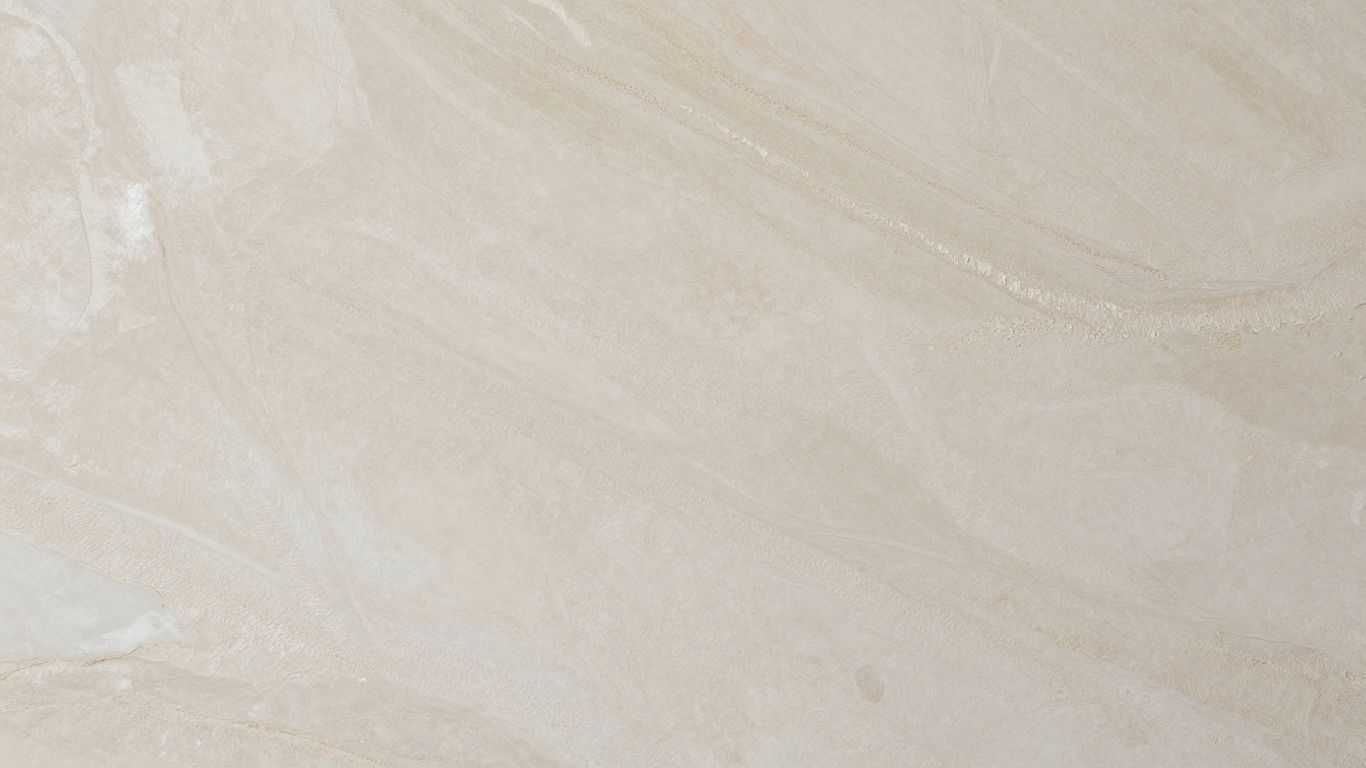
When you think about Venetian plaster, the first thing that probably comes to mind is that super smooth, almost marble-like finish. And you’d be right! It’s famous for its ability to mimic the look of natural stone, giving your walls a really high-end feel without the actual cost of marble. It’s a classic look that just doesn’t seem to go out of style.
Achieving A Marble-Like Finish
This finish is all about the application. Layers are applied thinly, not in straight lines, but with a trowel in sweeping, overlapping motions. This technique creates subtle variations in tone and depth, giving the surface that characteristic cloudy or veined appearance you see in natural marble. The final buffing and waxing process seals the plaster and brings out a soft sheen that really makes the colours pop. It’s this attention to detail in the application that makes it look so luxurious.
Versatile Design Possibilities
But it’s not just about the marble look. Venetian plaster is incredibly versatile. You can go for a bold, vibrant colour with a high gloss finish, or opt for something more muted and natural-looking, almost like a soft, washed stone. It can be used to create a modern, minimalist vibe or a more traditional, rustic feel. It really depends on the look you’re going for.
Here are a few ways its look can vary:
High Gloss: Achieved with multiple layers and intense polishing, often with added wax. This gives a deep, reflective surface.
Matte Finish: A more subtle look, achieved by reducing the polishing or using specific waxes. It feels softer and more understated.
Textured Effects: While known for smoothness, certain techniques can introduce subtle textures, adding another layer of visual interest.
Colour Play: From earthy neutrals to deep jewel tones, the colour options are vast, and how they interact with the light changes the overall effect.
The beauty of Venetian plaster lies in its ability to be both a statement piece and a subtle backdrop. It can draw the eye with its depth and sheen, or simply provide a sophisticated, seamless surface that lets other design elements shine. It’s a finish that truly adapts to your vision.
The Timeless Elegance Of Venetian Plaster
Ultimately, Venetian plaster brings a sense of timeless elegance to any space. It’s a finish that feels both ancient and contemporary, adding a touch of old-world charm or modern sophistication depending on how it’s applied and styled. It’s a great way to add character and a unique contemporary wall finish to your home, making it feel more special and luxurious. It’s a material that has stood the test of time for a reason, offering a luxurious and sophisticated feel that’s hard to replicate.
Durability And Maintenance Of Venetian Plaster
Resistance To Moisture And Cracking
One of the really great things about Venetian plaster is how it holds up over time. Unlike some finishes that can crack or get damaged easily, this stuff is pretty tough. It’s made from lime, which is a natural material that actually gets harder as it ages. This means it’s naturally resistant to things like moisture and shrinking, so you don’t have to worry as much about cracks appearing, especially in places where humidity might change. It’s a solid choice for walls that need to look good for years without a lot of fuss. When applied correctly, it can last for decades, which is pretty impressive.
Ease Of Cleaning And Upkeep
Keeping your Venetian plaster looking its best is surprisingly simple. Forget about harsh chemicals or complicated cleaning routines. For everyday dust, a gentle wipe with a soft cloth or a dry brush is usually all it takes. If you get a mark or a bit of grime, a mild soap and water solution works wonders. You really don’t need much more than that for regular upkeep. It’s almost as easy to care for as painted walls, but with a much more luxurious feel. Just remember to avoid anything abrasive, as that can damage the finish.
Repairing Minor Damage To The Surface
Life happens, and sometimes surfaces get a little dinged up. The good news with Venetian plaster is that small damages are usually quite easy to fix. You don’t typically need to replaster an entire wall if there’s a minor scratch or a small blemish. Often, a skilled plasterer can repair the affected area directly, blending it in so you can barely tell it was ever damaged. This makes it a really practical choice for high-traffic areas where little accidents might occur. It’s a finish that’s designed to be lived with and maintained, not just looked at.
Here’s a quick rundown of what to expect:
Resistance: Good against moisture and cracking.
Cleaning: Simple, using mild soap and water.
Repairs: Minor damage can often be patched in situ.
Longevity: Can last for many years with proper care.
When it comes to maintenance, think of it like caring for a fine piece of furniture. Regular gentle cleaning and prompt attention to any minor issues will keep your Venetian plaster looking beautiful for a very long time. It’s a finish that rewards a little bit of care with lasting elegance.
Comparing Venetian Plaster To Tadelakt
Key Differences In Application And Use
So, you’re looking at Venetian plaster and tadelakt, wondering how they stack up against each other. Both are pretty cool, lime-based finishes, which is a nice eco-friendly bonus. They both give you that smooth, natural look that’s a bit more interesting than plain paint. But here’s where they really start to diverge.
Venetian plaster, with its roots way back in ancient times, is often applied in thin layers using a spatula. It’s all about creating depth and a marble-like sheen, especially when it’s mixed with marble dust. You can get all sorts of looks with it, from super glossy to more matte. It’s pretty versatile for different rooms.
Tadelakt, on the other hand, is a Moroccan plaster that’s traditionally used for its waterproofing qualities. The name itself means ‘to rub’ in Arabic, and that’s pretty much what you do – a lot of rubbing and polishing with stones and soap. This makes it incredibly dense and smooth, almost like polished stone. It’s a more involved application process, often requiring a specialist.
Suitability For Wet Areas
This is where tadelakt really shines. Because it’s naturally waterproof and resistant to mold, it’s a fantastic alternative to tiles in bathrooms and kitchens. Think shower walls, wet rooms, or around sinks. It creates a seamless, spa-like feel without grout lines to worry about. While Venetian plaster can be sealed and is quite durable, it’s not typically the first choice for areas that get constantly splashed or are submerged in water. It’s more suited for walls that might get a bit of condensation, but not direct water exposure.
Here’s a quick rundown:
Tadelakt: Excellent for bathrooms, showers, kitchens, and any area needing high moisture resistance. It’s naturally waterproof.
Venetian Plaster: Good for general walls, living areas, bedrooms, and hallways. It’s durable but not inherently waterproof like tadelakt.
Unique Characteristics Of Each Finish
When you look at them side-by-side, the differences become clearer. Venetian plaster often has a subtle movement and depth, a bit like polished marble, and can be finished with waxes for extra shine. It’s a classic look that’s been around for ages.
Tadelakt, however, has a unique, soft glow and a very dense, smooth feel. It’s less about intricate patterns and more about a monolithic, natural stone appearance. It’s a finish that really stands out, giving a space a distinct Moroccan vibe. Because it’s less common, it can feel quite special. The cost for tadelakt can range from £150-£250 per square meter, reflecting its specialized application and unique properties. For a truly distinctive look, especially in wet areas, tadelakt offers a unique aesthetic.
Both finishes are beautiful in their own right, but their intended uses and application methods are quite different. Choosing between them really comes down to the specific area in your home and the overall look you’re going for. If you want a seamless, water-resistant finish for a bathroom, tadelakt is probably your winner. If you’re after a decorative, marble-like effect for a living room wall, Venetian plaster might be more your speed.
Material Composition And Environmental Considerations
Traditional Ingredients Of Venetian Plaster
Venetian plaster has been around for ages, like, literally thousands of years. The original stuff is pretty simple, really. It’s mostly made from slaked lime, which is basically limestone that’s been heated and then mixed with water. Think of it as a natural, mineral-based paste. Sometimes, especially in more modern versions, you’ll find fine aggregates mixed in, like marble dust. This marble dust is what gives it that signature marble-like look and feel. The application itself is a whole process, involving multiple thin layers applied with a special trowel. After it’s all smoothed out and burnished, it hardens up nicely. A final coat of wax or sealer is often used to protect it and give it that subtle sheen. It’s a far cry from modern paints and synthetic finishes, that’s for sure.
Eco-Friendly Aspects Of Lime-Based Finishes
One of the really cool things about traditional Venetian plaster is how good it is for the environment. Because it’s lime-based, it’s a natural material. Unlike a lot of building products out there, it doesn’t have any nasty toxic chemicals. Plus, as it cures, it actually absorbs carbon dioxide from the air, which is a nice little bonus for indoor air quality. It’s also fully recyclable, which is pretty neat. This makes it a really solid choice if you’re trying to be more conscious about the materials you’re using in your home. It’s a material with a 2000-year history, and it’s still a top sustainable choice for interiors today [8789].
Aggregates And Their Impact On Appearance
The type of aggregate you use in Venetian plaster can really change how it looks. The most common one is marble dust, and the amount used can vary. More marble dust means a smoother, more polished, marble-like finish. Less marble dust, or different types of aggregates like granite or even sand, can give you a more textured, rustic, or even a slightly rougher appearance. These variations aren’t just about looks, though; they can also affect how the plaster feels to the touch and how it reflects light. It’s all about creating that specific aesthetic you’re going for. Some plasters even use metallic powders for a bit of shimmer. It’s pretty amazing how much variation you can get from what is essentially a simple lime mix.
The beauty of Venetian plaster lies in its natural composition. The lime base is breathable, helping to regulate moisture within your walls, and the addition of fine aggregates like marble dust creates its characteristic depth and luminosity. This combination results in a finish that is not only visually stunning but also contributes positively to the indoor environment, making it a choice that feels good both aesthetically and ethically.
So, Is Venetian Plaster Cheaper Than Tiling?
Alright, so we’ve looked at the whole picture. When it comes down to it, Venetian plaster isn’t exactly the budget option compared to standard tiling, especially if you’re thinking about doing it yourself. The materials alone can add up, and getting that smooth, fancy look often means hiring someone who really knows their stuff. Tiling, on the other hand, usually has a more straightforward cost, and there are tons of DIY-friendly options out there. So, if you’re trying to keep costs super low, tiling is probably your best bet. But if you’re after that unique, high-end feel and are willing to invest a bit more for a real statement piece, Venetian plaster could be worth the splurge.
Frequently Asked Questions
Is Venetian plaster more expensive than tiles in the UK?
Yes, generally Venetian plaster costs more than tiling in the UK. While tiling can be quite affordable, especially with simpler designs, Venetian plaster is a premium finish. The cost comes from the special materials, the skill needed to apply it, and the time it takes. You might spend anywhere from £150 per square metre for professional application, which is often more than basic tiling.
How much does a Venetian plaster feature wall typically cost?
For a standout feature wall using Venetian plaster in the UK, you could expect to pay around £2,500 to £3,500. Simpler designs might be a bit less, maybe closer to £1,100, while very complex or large walls could cost over £5,000. This price includes the skilled labor and the special materials needed for that unique look.
Can I apply Venetian plaster myself to save money?
You can try applying Venetian plaster yourself if you’re good at DIY and willing to learn. There are even courses available. However, it’s a tricky skill that takes practice. If you make a mistake with this expensive material, fixing it can end up costing you more than hiring a pro in the first place. It’s best for experienced DIYers.
What makes Venetian plaster look so special?
Venetian plaster has a beautiful, marble-like appearance because it’s made from lime and often includes fine marble dust. It’s applied in thin layers using special tools, creating depth, texture, and a smooth, shiny finish when polished. It looks luxurious and can make walls feel like they’re made of real stone.
Is Venetian plaster durable and easy to care for?
Yes, Venetian plaster is quite tough and doesn’t need a lot of upkeep. It’s strong and doesn’t easily crack or shrink, even with changes in moisture. Cleaning is usually just a wipe with a damp cloth. If a small part gets damaged, it can often be fixed without redoing the whole wall, which is a big plus.
How is Venetian plaster different from Tadelakt?
Both Venetian plaster and Tadelakt are lime-based and eco-friendly. The main difference is where they’re best used. Tadelakt is amazing for wet areas like bathrooms and kitchens because it’s very waterproof, almost like a seamless tile alternative. Venetian plaster is more about creating decorative, marble-like finishes on walls and ceilings where extreme water resistance isn’t the top priority.