
So, you’re wondering if your walls have seen better days and if it’s time to think about replastering? It’s a common question for homeowners, especially in older properties or areas with tricky weather. Plaster does a lot for your home’s look and feel, but like anything, it doesn’t last forever. Let’s break down the signs that might mean it’s time for a refresh, and figure out when to replace plaster.
Key Takeaways
Look for damp patches, mould, and even small cracks. These aren’t just eyesores; they can signal deeper issues that weaken plaster over time.
Bulging walls or large, widening cracks are serious warnings. They often point to structural problems that need immediate attention.
The quality of the original plastering, the type of plaster used, and everyday wear and tear all play a role in how long your plaster lasts.
Environmental factors like weather, pollution, and ground vibrations can speed up plaster deterioration, making regular checks important.
Deciding when to replace plaster depends on the extent of damage, water issues, or simply the desire for a modern update. For significant problems, professional help is usually best.
Recognizing Signs of Plaster Deterioration
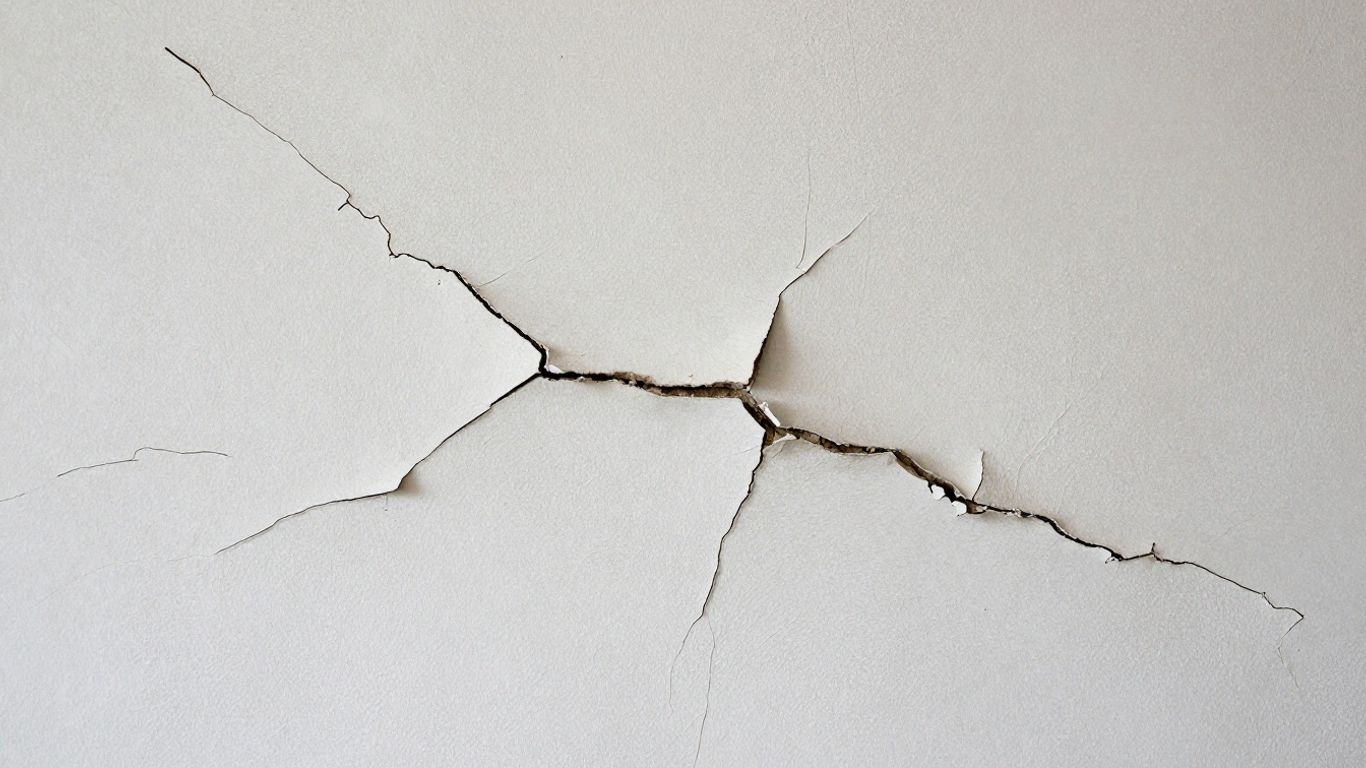
Sometimes, your plaster just starts to look a bit off. It’s not always a big, dramatic collapse, but more of a slow decline. Paying attention to these subtle changes can save you a lot of hassle down the road. Think of it like noticing your car making a funny noise – better to check it out before it breaks down completely.
Identifying Damp or Wet Patches
Dark, discolored spots on your walls are a pretty clear signal that something’s not right. These aren’t just ugly; they mean moisture is getting into your plaster. This could be from a leaky pipe, bad gutters, or even rising damp from the ground. Ignoring these patches can weaken the plaster over time and create a breeding ground for mold. It’s like a slow leak in your roof – it might not seem like much at first, but it can cause serious damage if left unchecked.
Spotting Mould or Mildew Growth
If you see fuzzy patches of black, green, or even white stuff growing on your walls, that’s mold or mildew. This usually pops up in areas with too much moisture and not enough airflow. While it’s definitely an eyesore, it’s also a health concern, especially for people with allergies or breathing problems. Poor ventilation and failing plaster often go hand-in-hand with mold issues. Getting rid of it and addressing the underlying cause is key to a healthier home.
Noticing Spiderweb or Hairline Cracks
Those tiny, intricate cracks that spread out like a spider’s web might seem minor. You might think, “Oh, it’s just a little crack, no big deal.” But these can be an early warning sign. They can act as entry points for more moisture, which can then lead to bigger problems. If left alone, these small cracks can grow and eventually compromise the integrity of the plaster. It’s often easier and cheaper to fix these small issues before they turn into something much more serious.
Assessing Structural Integrity of Plaster
Sometimes, plaster looks okay on the surface, but there’s something more serious going on underneath. Checking the structural integrity is key to knowing if you’re dealing with a minor cosmetic issue or something that needs more attention. Ignoring these signs can lead to bigger, more expensive problems down the line.
Detecting Bulging Walls
If you see any part of your wall starting to bulge outwards, that’s a pretty clear sign something’s not right. This can happen for a few reasons, like water getting behind the plaster, problems with the building’s foundation, or even just the different materials used in older homes reacting over time. A bulging wall isn’t just ugly; it can point to deeper structural issues that need to be addressed quickly. It’s best to get a professional to look at it before it gets worse.
Observing Large or Widening Cracks
We all get little hairline cracks now and then, especially in older homes. But if you’re noticing cracks that are bigger than a hair’s width, or if you see existing cracks getting longer or wider, pay attention. These kinds of cracks often mean the building itself is shifting. This could be due to the ground settling, issues with the foundation, or even nearby construction work causing vibrations. While replastering can fix the look of the crack, it won’t fix the underlying cause. You’ll want to figure out why the wall is moving before you just patch it up.
Finding White Powdery Deposits
That white, chalky stuff you sometimes see on plaster? That’s called efflorescence, and it’s basically a sign that moisture is present. It happens when water dissolves salts within the masonry or plaster, and then those salts are left behind as the water evaporates. While it might seem like just a surface stain, persistent efflorescence can weaken the plaster over time and make paint and finishes fail. It’s a clear indicator of a damp problem that needs sorting out, and replastering with a more moisture-resistant material might be the solution after the moisture source is fixed.
Understanding Factors Influencing Plaster Lifespan
So, you’ve got plaster in your home, and you’re wondering how long it’s supposed to stick around, right? It’s not just about how it looks on the surface; a lot goes into how long plaster lasts. Think of it like a good pair of shoes – some last ages, others fall apart way too soon. It really depends on a few things.
Evaluating Original Plastering Quality
This is a big one. When your house was first built or when the plaster was last done, how good was the job? A really solid, professional plastering job can easily last 20 to 30 years, sometimes even longer. But if the plaster was put on too quickly, or by someone who wasn’t really paying attention, it might start showing problems much sooner. We’re talking about things like cracks or even bits falling off. It’s like building a house on a shaky foundation – it’s just not going to hold up.
Considering the Type of Plaster Used
Not all plaster is created equal. Different types are suited for different homes and situations. For older homes, especially those with solid walls, lime plaster is often a good choice. It’s more breathable, which helps walls manage moisture better. For newer builds, gypsum plaster is more common. It dries faster and is generally harder. The type of plaster used, and whether it’s the right type for your specific house, plays a role in its longevity.
Accounting for Everyday Wear and Tear
Life happens, and our homes take a beating. Think about kids running around, furniture bumping into walls, or even just the general settling of a building over time. These everyday things can put stress on plaster. A wall that gets a lot of traffic or is in a busy area might show signs of wear faster than a wall in a quiet, seldom-used room. It’s the little knocks and bumps that add up over the years.
Here’s a quick look at how different factors can affect plaster:
Factor | Potential Impact |
|---|---|
Original Workmanship | Poor job leads to early failure |
Plaster Type | Lime breathes, gypsum is harder; suitability matters |
Building Age & Structure | Older homes may have different needs |
Environmental Conditions | Damp, humidity, and temperature play a part |
Physical Stress | Bumps, knocks, and settling can cause damage |
The lifespan of your plaster isn’t set in stone. It’s a mix of how well it was put up initially, what it’s made of, and how the house is lived in and what the environment is like. Paying attention to these details can help you spot problems before they get serious.
Evaluating Environmental Impacts on Plaster
Even the best plaster job can eventually show wear and tear, and a lot of that comes down to what’s happening around it. Think of your walls as being constantly exposed to the elements, both inside and out. It’s not just about how well it was put up initially; the environment plays a huge role in how long plaster lasts and what problems might pop up.
Assessing Weather and Pollution Effects
External weather can really do a number on plaster, especially on older homes. Constant rain, freeze-thaw cycles, and even strong winds can cause tiny cracks to form or widen. If you live in an area with a lot of pollution, airborne particles can settle on the plaster, making it look grubby and potentially causing it to degrade faster over time. This is particularly true for exterior plasterwork, but significant dampness from weather can also seep inside and affect interior walls.
Considering Ground Conditions and Vibrations
What’s happening beneath your feet matters too. If your home is built on unstable ground, or if there are nearby construction projects causing vibrations, this movement can translate into stress on your walls. This stress can lead to cracks, especially in older plaster that might already be a bit brittle. Even heavy traffic passing by regularly can cause subtle vibrations that, over years, contribute to plaster fatigue.
Understanding How Humidity Affects Plaster
Humidity is a big one for interior plaster. Rooms that are consistently damp, like bathrooms or kitchens without good ventilation, create an environment where plaster can absorb moisture. This can lead to a weakening of the plaster itself, making it more prone to crumbling or developing mould. On the flip side, extremely dry air, perhaps from constant heating in winter, can also cause plaster to become brittle and crack. Finding that perfect balance of humidity is key to plaster longevity.
The drying time for plaster isn’t just a simple number; it’s influenced by a whole host of environmental factors. Things like the temperature in the room, how much moisture is in the air, and even the type of plaster used all play a part. Relying on a generic timeline can lead to problems down the line, like paint peeling or mould growth, because the plaster wasn’t truly ready for finishing.
Here are some common environmental issues and their impact:
Excessive Moisture: Leads to softening, mould growth, and potential structural weakening. This can come from leaks, condensation, or poor ventilation.
Temperature Fluctuations: Extreme heat can dry plaster too quickly, making it brittle. Cold temperatures slow down drying and can lead to frost damage if moisture is present.
Air Quality: Pollution and dust can stain and degrade plaster surfaces over time, especially on exterior walls. Poor indoor air quality can contribute to mould if humidity is high.
Vibrations: Constant shaking from traffic or nearby work can cause hairline cracks to appear and widen.
If you’re concerned about the condition of your plaster, especially if you suspect issues related to damp or potential asbestos in plaster walls, it’s always best to get a professional opinion. They can assess the environmental factors at play and recommend the right course of action to protect your home.
Determining When to Replace Plaster
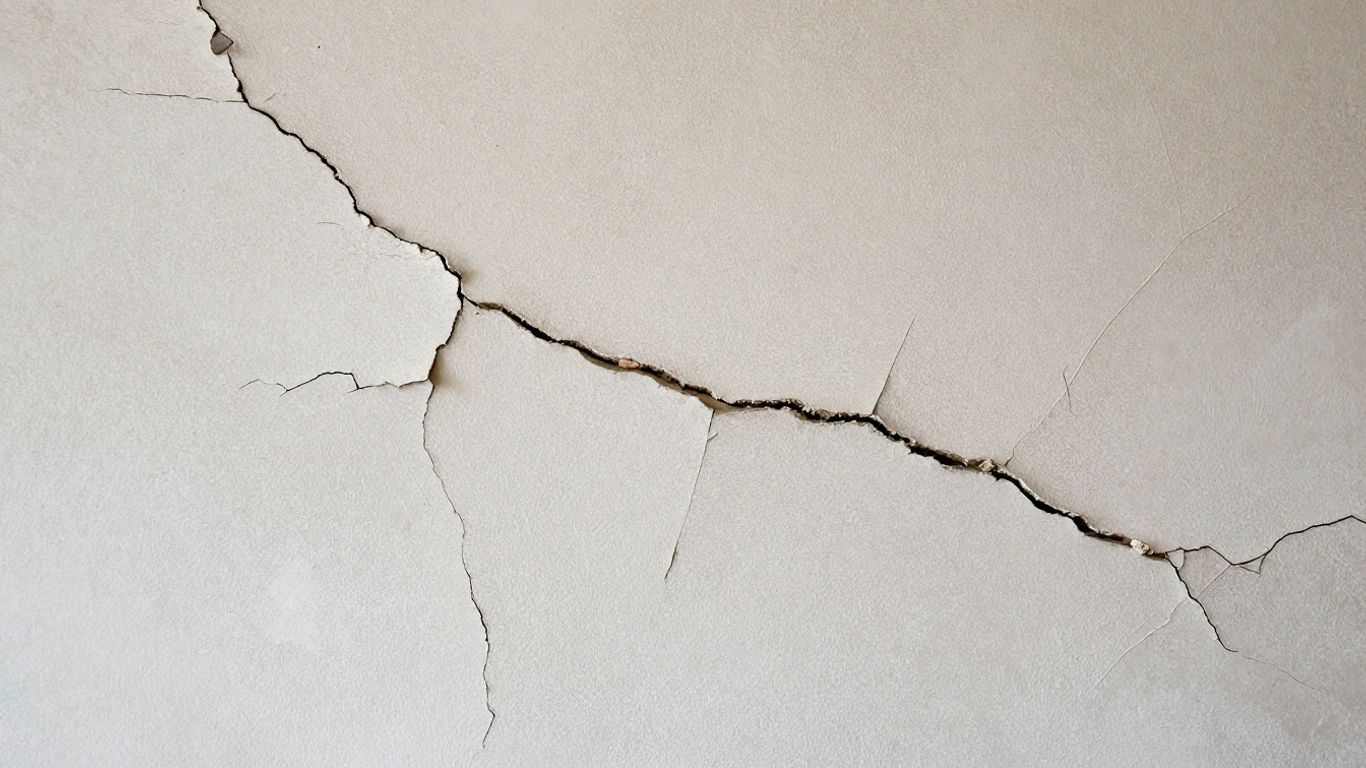
So, you’ve been looking at your walls and wondering if that plaster has seen better days. It’s not always obvious when it’s time for a full replacement, but there are definitely some tell-tale signs. Think of it like this: your plaster is the skin of your home, and when it’s damaged, it needs attention.
When to Replace Plaster Due to Damage
Sometimes, the damage is just too much to patch up. If you’re seeing significant issues, it’s probably time to consider a full replaster.
Bulging Walls: This is a big one. If a section of your wall is pushing outwards, it’s often a sign of deeper problems like water damage or structural movement. It’s not just about looks; it can affect the safety of your home.
Large or Widening Cracks: While tiny hairline cracks might be cosmetic, large ones, especially if they’re diagonal or seem to be getting bigger over time, point to more serious issues like foundation settling. These need more than just a quick fill.
White Powdery Deposits: Seeing a white, chalky substance on the surface? That’s efflorescence, and it means moisture is getting into your plaster. Left unchecked, it can weaken the plaster over time.
Ignoring these signs can lead to more extensive and costly repairs down the line. It’s better to address them proactively.
When to Replace Plaster After Water Issues
Water is plaster’s worst enemy. Even if you fix the leak, the damage to the plaster can linger.
Persistent Damp or Wet Patches: If you’ve had a leak or flooding and the plaster remains damp or discoloured, it’s a problem. This can lead to mould and further deterioration.
Mould or Mildew Growth: Damp plaster is a breeding ground for mould. If you see significant mould that keeps coming back even after cleaning, the plaster itself might be compromised and holding moisture.
Extensive Water Damage: If plaster has become soft, crumbly, or is actively falling off due to water exposure, replacement is usually the only option. It’s important to ensure the area is completely dry before replastering.
When to Replace Plaster for a Modern Refresh
Sometimes, it’s not about damage, but about wanting a change or updating an older home.
Outdated Finish: If your current plaster has an old-fashioned texture or finish that doesn’t suit your style, replastering can give you a smooth, modern surface.
Preparing for Renovation: If you’re planning a significant renovation, like redoing electricals or plumbing, it often makes sense to replaster afterwards to get a fresh, clean finish.
Improving Wall Condition: Even if there’s no major damage, if your plaster is generally worn, has numerous small imperfections, or you just want a pristine look, a replaster can make a huge difference. It’s a way to give your home a fresh start.
DIY vs. Professional Replastering Decisions
So, you’ve figured out your plaster’s seen better days. Now comes the big question: can you tackle this yourself, or is it time to call in the pros? It’s a decision that can save you a headache, or cost you one if you pick wrong.
Assessing DIY Replastering Suitability
Let’s be real, YouTube makes everything look easy. Patching up a tiny crack might be doable if you’re feeling brave and have a steady hand. You know, the kind of thing where you just need to fill a small hole or smooth over a minor imperfection. If the damage is limited to a small area and the underlying plaster is solid, a DIY approach could save you some cash. You’ll need to gather your own tools – think trowels, hawk, maybe a plaster mixer – and buy the materials. It’s going to take up your weekend, for sure, and there’s always that risk of making it look worse, which, trust me, I’ve done before.
Small, superficial cracks or minor surface damage.
You have spare time and enjoy hands-on projects.
You’re willing to learn and accept potential imperfections.
Understanding Professional Replastering Benefits
Calling in a professional plasterer is often the smarter move, especially for larger jobs or when you’re not entirely sure what you’re dealing with. These folks do this day in and day out. They know how to prep the walls properly, deal with any underlying issues like damp (which is a big one in older UK homes), and get that perfectly smooth, durable finish that’s hard to achieve on your own. Plus, they come with all the right gear and know the building regs. It means less stress for you and usually a much better, longer-lasting result. They can also often work much faster than you could, covering a decent amount of wall space in a single day.
Hiring a professional means you’re investing in quality and peace of mind. They have the experience to spot and fix problems you might miss, leading to a finish that not only looks great but also protects your home.
When to Hire a Professional Plasterer
There are definitely times when DIY just isn’t the way to go. If you’re seeing bulging walls, large cracks that are getting bigger, or signs of serious damp, it’s beyond a simple patch-up job. These issues often point to bigger structural problems that need an experienced eye. Also, if you’re aiming for a really high-quality finish, like a perfect skim coat that will take paint beautifully, a pro is your best bet. They can also advise on the best type of plaster for your home, whether it’s a historic building needing lime plaster or a modern build. Basically, if the job feels overwhelming, involves potential structural concerns, or you want a flawless finish, it’s time to get quotes from the experts.
Job Size/Complexity | DIY Suitability | Professional Recommended |
|---|---|---|
Small crack repair | Possible | Good for a perfect finish |
Large area damage | Low | High |
Suspected damp/structural issues | Very Low | Essential |
Desire for flawless finish | Low | High |
Time constraints | Low | High |
Wrapping Up: When in Doubt, Check It Out
So, keeping an eye on your plasterwork is pretty important for any UK homeowner. We’ve gone over the signs, like those damp patches, mouldy bits, and all sorts of cracks, that tell you something’s not quite right. Remember, plaster isn’t just there to make walls look nice; it’s a key part of your home’s protection against the elements and general wear and tear. If you’re seeing any of the issues we talked about, or if your plaster is just getting on in years, it might be time to think about getting a professional opinion. Don’t wait until a small problem turns into a big, expensive headache. A quick check now could save you a lot of hassle and money down the road.
Frequently Asked Questions
What are the first signs that my plaster might be going bad?
Keep an eye out for damp or wet spots on your walls, especially if they look like dark patches. Also, if you start seeing mold or mildew growing, that’s a big clue. Tiny cracks that spread out like a spiderweb are another warning sign that your plaster might be weakening and letting moisture in.
Can I fix small cracks in my plaster walls myself?
For very small, hairline cracks, you might be able to patch them up yourself with some filler. However, if the cracks are larger, look like they’re getting wider, or if you suspect water damage, it’s much safer and more effective to call in a professional plasterer. They can make sure the repair is done right and won’t cause bigger problems later.
How long does plaster usually last before needing replacement?
Generally, good quality plaster can last for many years, often 10 to 15 years or even longer. But this can change depending on the quality of the original job, the type of plaster used, and how much wear and tear it endures. Things like water damage or major changes to your home can also mean it needs replacing sooner.
What causes plaster to bulge or crack badly?
Bulging walls are a serious sign, often caused by water getting behind the plaster, issues with the building’s foundation, or even problems with how different materials were put together. Large cracks, especially if they’re diagonal or seem to be getting bigger, usually mean the house’s structure might be shifting or settling. These issues need to be checked out by a professional quickly.
Is it better to replace plaster myself or hire someone?
For minor fixes on small cracks, a confident DIYer might manage. But for anything more significant, like dealing with damp, large cracks, or a whole room needing replastering, hiring a professional is usually the best choice. They have the tools, experience, and knowledge to do a quality job that lasts, saving you time and preventing costly mistakes.
What is that white powdery stuff that sometimes appears on plaster?
That white, powdery substance is called efflorescence. It’s usually a sign that moisture is present within the plaster or brickwork. This moisture can slowly damage the plaster and paint over time. The best way to deal with it is to fix the underlying moisture problem and then replaster using materials that can handle dampness.