
Thinking about updating your home’s look in Bristol? Maybe that old Artex ceiling or wall is just not doing it for you anymore. A common question that pops up is whether you can simply plaster over Artex. It sounds like an easy fix, right? Well, it can be, but there are some important things to consider, especially if your home was built before 1999. We’re going to break down what you need to know about plaster over Artex Bristol homeowners should be aware of.
Key Takeaways
Artex is a type of textured coating often found on ceilings and walls, popular in homes built before 1999.
Not all Artex contains asbestos, but if your home was built or renovated before 1999, there’s a good chance it does. Asbestos was banned in the UK in 1999.
If Artex contains asbestos and is in good condition, it’s generally safe. The risk comes when it’s disturbed, like sanding or drilling, which can release fibres.
Plastering over Artex, even if it contains asbestos, is often a safe option as long as you don’t sand, grind, or chip the existing surface. Covering it with plasterboard is also a viable alternative.
For any Artex removal or if you’re unsure about asbestos, it’s best to hire a qualified asbestos professional. They have the right equipment and knowledge for safe handling and disposal.
Understanding Artex And Potential Asbestos Risks
What Is Artex?
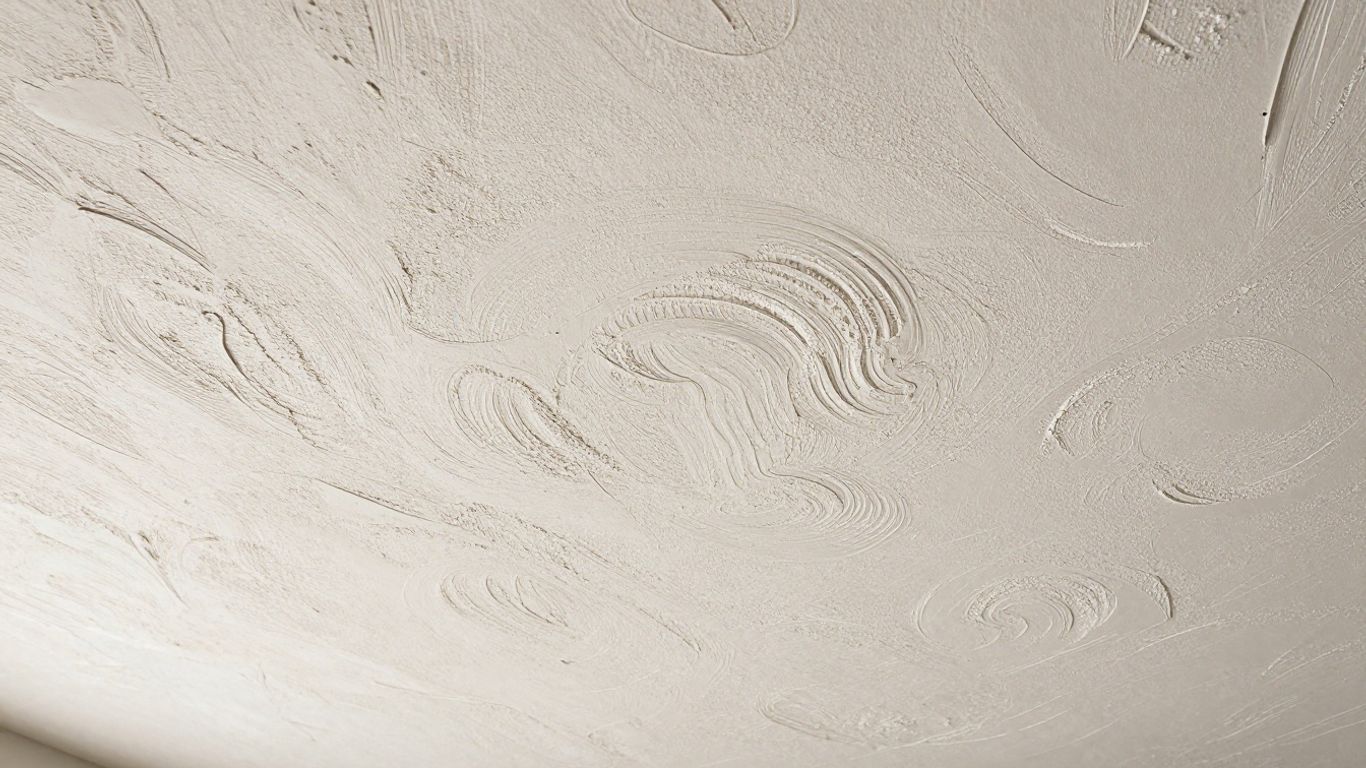
Artex is a brand name for a type of decorative textured coating that became really popular for ceilings and walls in homes, especially during the 1970s and 80s. You’ll often recognize it by its distinctive stippled or swirled patterns. It was a common way to add a bit of flair to otherwise plain surfaces. While it’s still around today, the formulations have changed significantly.
Does All Artex Contain Asbestos?
This is a big question, and the answer is: not necessarily, but it’s a strong possibility for older properties. Asbestos was a common additive in many building materials, including Artex, up until it was banned in the UK in 1999. The asbestos was added to give the coating strength and improve its fire resistance. If your home was built or renovated before this ban, there’s a good chance the Artex on your walls or ceilings contains asbestos. Artex produced after 1999 should be asbestos-free.
Identifying Asbestos In Artex
Here’s the tricky part: you really can’t tell if Artex contains asbestos just by looking at it. The asbestos fibres are microscopic and are mixed into the coating. Visual inspection is completely unreliable for this. The only way to know for sure is to have a sample taken and analyzed by a professional. Trying to guess can be dangerous. If you suspect your Artex might contain asbestos, it’s best to get it tested by an accredited asbestos surveyor professional sampling and laboratory analysis.
Visual inspection is not enough.
Pre-1999 Artex is suspect.
Professional testing is the only way to be certain.
Asbestos only becomes a health hazard when the fibres become airborne and are inhaled. In its undisturbed state, Artex that contains asbestos doesn’t pose an immediate risk. The danger arises when the material is disturbed, such as through sanding, drilling, or aggressive removal techniques.
The Decision To Plaster Over Artex Bristol
So, you’ve got Artex on your ceilings or walls and you’re thinking about a change. Maybe that swirly pattern just isn’t doing it for you anymore, or perhaps you’re just ready for a smoother, more modern look. A common question that pops up is whether you can just plaster over it. The short answer is usually yes, but there are some really important things to consider, especially here in Bristol where older homes are common.
Is It Safe To Plaster Over Artex?
Generally, if your Artex is in good condition – meaning it’s not crumbling, flaking, or damaged in any way – plastering over it is a viable option. The key is to avoid disturbing the Artex itself. This means no sanding, scraping, or grinding the surface before you apply a new layer of plaster or plasterboard. The goal is to encapsulate the existing Artex, not to remove it. Think of it like putting a fresh coat of paint over an old wall; you’re just covering it up.
Plastering Over Artex With Asbestos
This is where things get a bit more serious. As we touched on earlier, Artex applied before 1999 might contain asbestos. If your Artex does have asbestos and it’s in good condition, plastering over it is often considered safe, provided you don’t disturb the material. The asbestos fibres are usually bound within the Artex, and they only become a risk when they’re released into the air, which happens when the material is damaged. So, if you’re just skimming over it or attaching plasterboard, you’re essentially sealing it in. However, it’s vital to remember that the asbestos is still there. Any future work, like drilling for a new light fixture, would need to be done with extreme caution, ideally by a professional.
Alternatives To Plastering Over Artex
While plastering is a popular choice, it’s not the only way to update your Artexed surfaces. Here are a few other options to think about:
Covering with Plasterboard: This is a very common alternative. Sheets of plasterboard are fixed directly over the Artex, creating a new, smooth surface ready for decorating. It’s a good way to hide the Artex completely and provides a solid base for your new finish.
Skim Coating: This involves applying a thin layer of plaster (a skim coat) directly over the Artex. It’s a bit more involved than just plastering over it, as the surface needs to be properly prepared, but it results in a very smooth, seamless finish.
Removal: The most drastic option is to have the Artex removed entirely. This is usually only recommended if the Artex is in very poor condition or if you’re undertaking a larger renovation. If asbestos is present, removal must be carried out by licensed professionals.
Deciding whether to plaster over Artex, especially if asbestos is a possibility, really comes down to the condition of the existing surface and your plans for the future. If it’s sound, covering it is usually the simplest and safest route, but always be mindful of what lies beneath for any future DIY projects.
Preparing Your Artex For A New Finish
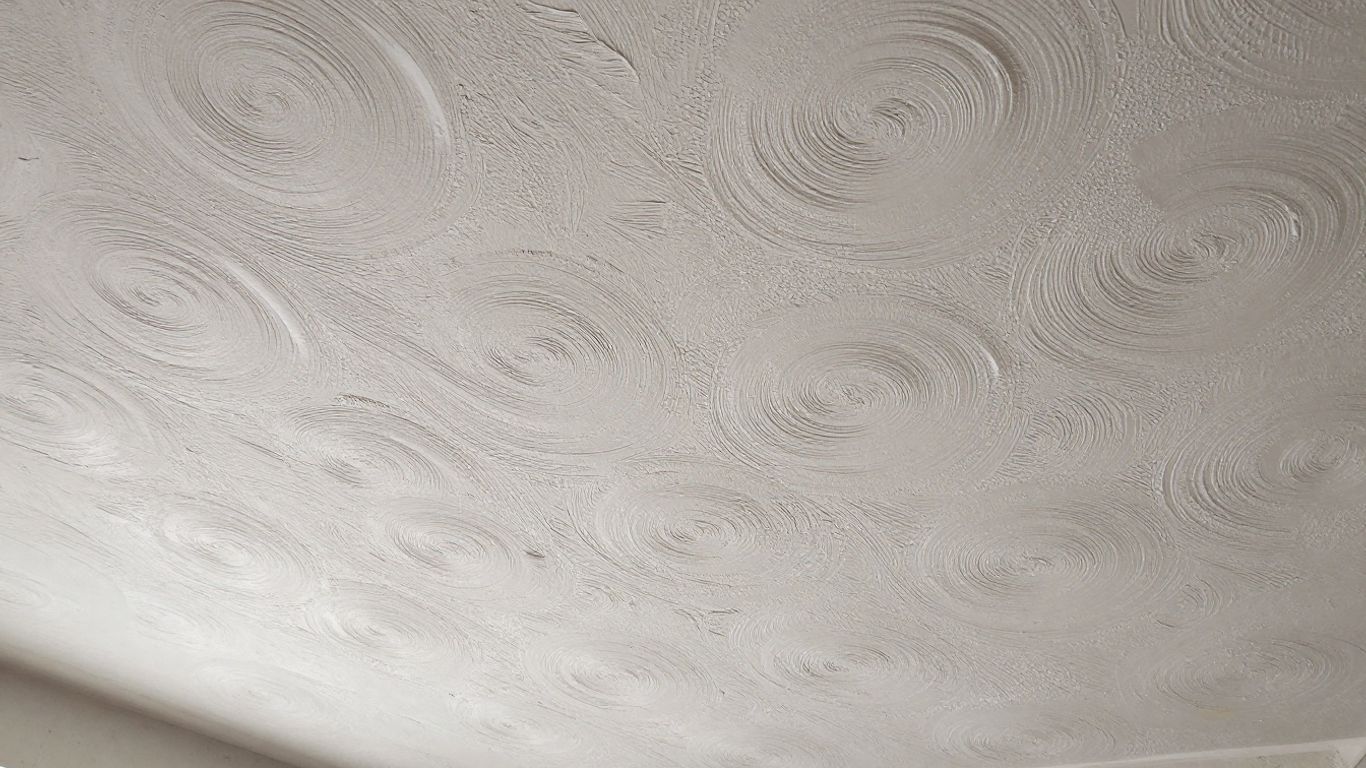
So, you’ve decided to update those textured ceilings or walls. Before you grab your plaster and trowel, it’s super important to get the existing Artex ready. This isn’t just about making things look nice; it’s about making sure your new finish sticks properly and, more importantly, stays safe.
Assessing The Condition Of Your Artex
First things first, take a good, hard look at the Artex itself. Is it flaking? Is there any damage, like cracks or chips? A solid, intact Artex surface is key for a successful plastering job. If it’s already falling apart, plastering over it might just make the problem worse, as the new plaster won’t have a stable base to adhere to. You’re looking for a surface that’s generally sound, even if it’s not the look you want anymore.
Surface Preparation For Plastering
Once you’ve assessed the condition, it’s time to prep. This usually involves a few steps:
Cleaning: Give the Artex a good clean. Dust, grease, and grime will prevent the new plaster from sticking. A damp cloth or a mild detergent should do the trick, but make sure it dries completely.
Minor Repairs: Fill any small cracks or chips with a suitable filler. Once dry, sand these areas smooth.
Priming: This is a big one, especially with Artex. You’ll want to apply a specialist primer or sealer. This helps to seal the porous Artex surface, prevents the new plaster from drying out too quickly, and gives it a better surface to grip onto. Don’t skip this step!
When To Call A Professional
Look, sometimes you just know when a job is beyond your DIY skills. If you suspect your Artex might contain asbestos (especially if your house was built before 1999), do not attempt to sand, scrape, or disturb it yourself. This is where you absolutely need to bring in the experts. They have the tools and knowledge to test for asbestos safely and advise on the best course of action, whether that’s encapsulation or removal. Trying to DIY asbestos removal or preparation is incredibly risky and can lead to serious health problems down the line. It’s better to be safe than sorry, right?
Professional Artex Solutions In Bristol
Hiring An Asbestos Expert
If you suspect your Artex might contain asbestos, or if you’re planning any work that could disturb it, bringing in a professional is the way to go. Trying to handle asbestos yourself is just not worth the risk. These experts know exactly how to test for it, and if it’s there, how to deal with it safely. They have the right gear and know the rules, which is pretty important when you’re dealing with something that can cause serious health problems down the line.
Safe Removal Of Textured Coatings
Removing Artex, especially if it has asbestos, isn’t like scraping off old wallpaper. It’s a job that needs a careful approach. Professionals use special methods to make sure no harmful fibres get into the air. This usually involves wetting the material down and using specific tools to contain any dust.
Here’s a general idea of what a safe removal process looks like:
Assessment: An expert will first check the Artex and the surrounding area.
Containment: They’ll set up barriers to stop dust from spreading to other parts of your home.
Removal: Using specific techniques and tools to safely take down the Artex.
Cleanup: Thoroughly cleaning the area to remove any remaining fibres.
Disposal: Properly disposing of the asbestos-containing material according to regulations.
Cost Considerations For Artex Work
Okay, let’s talk about the money side of things. Getting professionals in to deal with Artex, particularly if asbestos is involved, isn’t the cheapest option, but it’s the safest. The cost can change quite a bit depending on a few things.
Area Size: The bigger the space, the more it’ll cost overall, but the price per square metre might actually go down.
Complexity: If the Artex is in a hard-to-reach spot or has a really thick texture, it might take longer and cost more.
Asbestos Presence: If asbestos is confirmed, the removal process is more involved and regulated, which will increase the price.
For example, you might see prices like this:
Service Type | Estimated Cost Per Square Metre |
|---|---|
Artex Removal (No Asbestos) | £30 – £50 |
Artex Removal (With Asbestos) | £50 – £100+ |
Encapsulation | £20 – £40 |
Remember, these are just rough figures. The best way to get a clear idea of the cost for your specific situation is to get a few quotes from local, qualified professionals in Bristol. It’s always better to pay a bit more for peace of mind and safety.
When you’re looking at quotes, make sure they break down what’s included. You want to know you’re getting a complete service, from the initial testing to the final cleanup and disposal. Don’t be afraid to ask questions about their experience and qualifications, especially when it comes to asbestos work. Getting it done right the first time is key.
So, Can You Plaster Over Artex?
Alright, so we’ve talked a lot about Artex, especially here in Bristol. The big takeaway is that yes, you can plaster over it, and often, that’s a pretty good way to go. It can hide those old patterns and give your walls a fresh, modern look without the hassle of removal. But here’s the kicker: if your Artex was put up before 1999, there’s a good chance it has asbestos in it. You absolutely cannot tell just by looking. If it’s in good shape and you’re just skimming over it, it’s generally considered safe. However, if you’re thinking about sanding, scraping, or drilling into it, that’s where things get risky. Disturbing asbestos can release harmful fibres. So, if you’re unsure or planning any work that might disturb the Artex, it’s always best to get it tested by a professional first. Better safe than sorry, right?
Frequently Asked Questions
What exactly is Artex?
Artex is a type of coating used on walls and ceilings to create a textured look. Think of it like a decorative plaster with patterns, often swirly or stippled. It was really popular in homes built or redone in the 1970s and 80s because it could hide uneven surfaces and add some style.
Does all Artex have asbestos in it?
No, not all Artex contains asbestos. Asbestos was banned in the UK in 1999. So, any Artex applied after that date should be asbestos-free. However, if your home was built or updated before 1999, there’s a good chance the Artex might contain asbestos, as it was commonly used back then.
How can I tell if my Artex has asbestos?
It’s impossible to know for sure just by looking at it. Asbestos fibers are tiny and mixed into the Artex. The only way to be 100% certain is to have a professional, like an asbestos surveyor, take a sample and test it in a lab. They have the special tools and knowledge to identify it safely.
Is it safe to plaster over Artex, even if it has asbestos?
Yes, it’s generally safe to plaster over Artex that might contain asbestos, as long as the Artex is in good condition and you don’t disturb it. This means you shouldn’t sand, grind, or chip away at it before plastering. Covering it with a new layer of plaster or plasterboard can actually make it safer by sealing it in. However, remember the asbestos is still there underneath, so future work like drilling should be done carefully.
What are the risks if Artex has asbestos?
The main danger comes when Artex is damaged or disturbed, like when you sand it or drill into it. This can release tiny asbestos fibers into the air, which can cause serious health problems if inhaled over time. If the Artex is in good shape and left alone, it usually doesn’t pose a risk.
Should I try to remove Artex myself?
It’s strongly advised not to remove Artex yourself, especially if you suspect it contains asbestos. DIY removal can easily release asbestos fibers into the air, putting you, your family, and your neighbors at risk. Professionals have the right safety gear and methods to remove it safely and dispose of it properly, which is the safest approach.