
Living in a Bristol period property is pretty special, right? They’ve got character, history, and sometimes, a bit of a damp problem. Especially in hallways, where moisture can sneak in. This article is all about using breathable plaster solutions to keep those damp spots at bay, making sure your old home stays healthy and looks great. We’ll look at why these old houses need to breathe and how the right plaster can make a big difference.
Key Takeaways
Period homes need to ‘breathe’ to let moisture escape naturally. Modern paints and materials can trap dampness.
Understand the difference between condensation (often from poor ventilation) and rising or penetrating damp (structural issues).
Lime-based plasters and renovating plasters are good choices because they let walls breathe. Avoid cement-based renders.
Proper ventilation is key. Think about airbricks, extractor fans, and not blocking airflow.
If you’re unsure about damp issues, get a professional survey from someone experienced with older properties.
Understanding Period Property Breathability
The Importance of Vapour Permeability in Older Homes
Period properties, especially those found around Bristol, were built with a different philosophy in mind. They weren’t designed to be hermetically sealed boxes. Instead, they were constructed using materials and methods that allowed them to ‘breathe’. This means that walls, floors, and roofs were naturally able to allow moisture vapour to pass through them. Think of it like a person needing to breathe; a building needs to manage its internal moisture too. This natural vapour exchange helps to regulate humidity and prevent moisture from getting trapped within the building fabric. This inherent breathability is key to the long-term health and stability of older homes. When we talk about breathability, we’re really talking about vapour permeability – the ability of materials to let water vapour pass through them. This is a far cry from modern, impermeable materials that can seal a building up like cling film.
How Modern Interventions Hinder Natural Ventilation
It’s easy to see how modern upgrades, while well-intentioned, can sometimes cause more harm than good in period homes. We’re often keen to make our homes more energy-efficient, which is great, but sometimes this involves sealing up gaps and adding layers of insulation. While this keeps the heat in, it can also trap moisture. For instance, applying modern paints or certain waterproofing treatments can create a barrier that stops walls from releasing moisture. Similarly, if external ground levels have risen over the years, they can ‘bridge’ the original damp-proof course (DPC), allowing moisture to travel up the wall. It’s a bit like putting a lid on a pot that’s still simmering – the steam has nowhere to go. This trapped moisture can lead to all sorts of problems down the line, often manifesting as damp patches or mould. It’s about finding that balance between keeping warm and letting the building do what it was designed to do.
Recognizing the Signs of Trapped Moisture
So, how do you know if your period property is struggling to breathe? There are a few tell-tale signs. The most obvious is visible damp, often appearing as dark patches on walls or ceilings. You might also notice peeling wallpaper or paint, especially near corners or around windows. A musty smell is another common indicator that moisture is lingering where it shouldn’t be. Sometimes, you might see mould growth, which can be black, green, or even pink. This often appears in areas with poor air circulation, like behind furniture or in bathrooms. It’s also worth checking for condensation on windows, particularly in the morning. While some condensation is normal, excessive amounts can signal a bigger issue with ventilation and breathability. If you’re unsure about what you’re seeing, it might be worth getting a professional damp survey to get a clearer picture of what’s happening within your walls. A thorough damp survey can help pinpoint the exact cause and extent of any moisture problems.
Here are some common indicators:
Visible damp patches or water stains on walls and ceilings.
Peeling or blistering paint and wallpaper.
A persistent musty or earthy smell.
Mould growth, especially in corners or areas with poor airflow.
Excessive condensation on windows and other cold surfaces.
It’s important to remember that period properties have unique characteristics. Their construction methods mean they interact with moisture differently than modern homes. What might be a simple fix in a new build could be a more complex issue in a Victorian or Georgian house. Understanding this difference is the first step to effective damp management.
Identifying Damp Causes in Bristol’s Period Homes
Distinguishing Between Condensation and Rising Damp
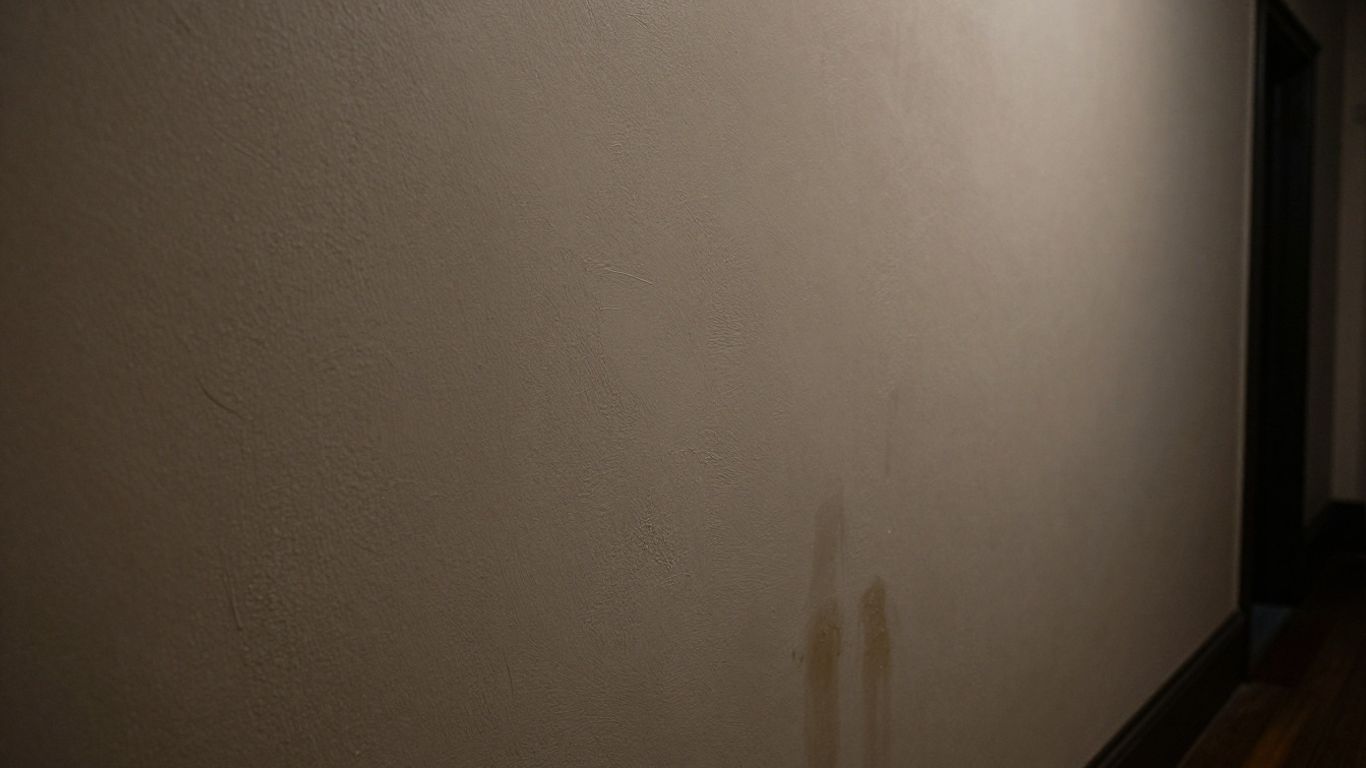
Okay, so you’ve noticed some damp patches on your hallway walls here in Bristol. It’s easy to jump to conclusions, but not all damp is created equal, and mistaking one type for another can lead to expensive, ineffective fixes. The two big ones people worry about are condensation and rising damp. Condensation is usually what you see on colder walls, especially in rooms that get steamy, like bathrooms or kitchens, or even just from breathing in a poorly ventilated bedroom. It often looks like water droplets or a thin film of moisture, and you might see mould starting to grow. It’s basically water vapour in the air turning back into liquid when it hits a cold surface.
Rising damp, on the other hand, is a bit more serious and usually comes up from the ground. It travels up through the brickwork and plaster. You’ll typically see it starting at the bottom of a wall, often around skirting boards, and it tends to spread upwards. It can leave behind a tide mark and cause plaster to crumble. The key difference is where it starts and how it spreads. While condensation is about moisture in the air settling on cold surfaces, rising damp is about water being drawn up from the ground through the building’s materials.
The Impact of Bridged Damp Proof Courses
Now, let’s talk about damp proof courses, or DPCs. Most period homes in Bristol should have one, usually a layer of slate or bitumen, designed to stop ground moisture from creeping up the walls. But over the years, things change. Garden levels can be raised with new soil or paving slabs, or debris can build up against the outside of the house. When this happens, it can actually cover the DPC, effectively ‘bridging’ it. This means the barrier that was meant to stop damp is now useless, and moisture can travel up the wall again, mimicking rising damp. It’s a really common issue in older properties where the ground level has changed over time. Sometimes, cavity wall insulation can also be installed incorrectly, leading to a similar problem where moisture can bypass the intended barrier.
Penetrating Damp from External Factors
Then there’s penetrating damp. This isn’t about moisture coming up from the ground or from steam in the air; it’s about water getting through your walls from the outside. Think of driving rain hitting a wall where the render has cracked, or where pointing between bricks has failed. Gutters that are blocked or leaking downpipes can also channel water directly down the side of your house, forcing it into the brickwork. This type of damp can appear anywhere on a wall, not just at the bottom, and it often shows up as a damp patch that might spread or get worse after heavy rain. Fixing penetrating damp usually means finding and repairing the external source of the leak, which can sometimes be a bit of a detective job.
Here’s a quick rundown of what to look for:
Condensation: Water droplets, mould growth, usually on cold surfaces, often in kitchens and bathrooms, or rooms with poor airflow.
Rising Damp: Starts at the base of the wall, spreads upwards, leaves tide marks, can cause plaster to crumble. Often linked to a bridged DPC.
Penetrating Damp: Damp patches appearing anywhere on the wall, often linked to external issues like cracked render, failed pointing, or faulty gutters/downpipes. Worsens after rain.
Choosing Appropriate Breathable Plaster Solutions
When you’re dealing with damp issues in a period property, especially in a place like Bristol with its historic buildings, picking the right plaster is a big deal. It’s not just about making the walls look nice; it’s about helping the building do what it was designed to do: breathe. Using the wrong materials can actually trap moisture, making problems worse.
The Benefits of Lime-Based Plasters
Lime plaster is the old-school champion for a reason. It’s naturally vapour permeable, meaning it lets moisture pass through it rather than getting stuck. This is super important for older homes that weren’t built with modern damp-proof membranes. Lime plaster works with the building’s natural moisture cycle, helping to regulate humidity and prevent that damp, musty smell.
Flexibility: Lime plaster is more flexible than cement, which means it’s less likely to crack, especially with the slight movements older buildings can experience.
Durability: When applied correctly, lime plaster is incredibly durable and can last for centuries.
Aesthetics: It gives a beautiful, soft finish that complements the character of period properties.
When to Consider Renovating Plasters
Sometimes, you might need something a bit more robust than traditional lime, but still breathable. Renovating plasters are a good middle ground. They’re designed to be more forgiving on slightly imperfect walls and can offer improved performance while still allowing the wall to breathe.
These plasters are often used when:
The existing plaster is in poor condition and needs a complete re-plastering.
There’s a need for a slightly more durable finish than pure lime might offer.
You’re dealing with moderate damp issues and need a plaster that can help manage moisture.
It’s important to remember that even renovating plasters need to be compatible with the underlying structure. Always check the manufacturer’s specifications and consider the specific needs of your property.
Avoiding Cement-Based Renders and Impermeable Materials
This is where a lot of problems start. Cement-based renders and modern paints, especially those marketed as ‘waterproof’ or ‘damp-proof’, can act like a plastic sheet on your walls. They stop moisture from escaping, forcing it back into the building fabric. This can lead to damp patches appearing elsewhere, or even cause damage to the brickwork and timbers over time.
Here’s a quick rundown of what to steer clear of:
Cement renders: They are hard, impermeable, and don’t allow for moisture movement.
Cement-based pointing: Similar to renders, it traps moisture in the mortar joints.
Non-breathable paints: Many modern emulsion paints and sealants can create a barrier.
The key is to let the walls ‘breathe’ by using materials that allow water vapour to pass through. If you’re unsure, it’s always best to consult with a specialist who understands the unique needs of period properties.
Implementing Breathable Plaster Solutions
Preparing Walls for Breathable Plaster Application
Getting the walls ready is a big deal when you’re switching to breathable plasters. You can’t just slap it on over old, flaky paint or dodgy plaster. First off, you need to get rid of anything that’s going to seal the wall. Think old vinyl paints, cement renders, or anything that stops moisture from getting out. Scrape it all off. If there’s any sign of mold or mildew, clean that up too, usually with a mild bleach solution, and let it dry completely. The wall needs to be clean and sound. Any loose bits of brick or stone should be made good. It’s all about creating a stable base that can actually work with the new plaster, not against it.
Ensuring Proper Ventilation Alongside Plastering
Putting up breathable plaster is only half the battle. If you don’t have good airflow, you’re still going to run into problems. Older homes were built to breathe, remember? So, even with the right plaster, you need to make sure air can move around. This means checking that airbricks aren’t blocked up with soil or debris. Sometimes, you might even need to add more airbricks, especially if the original ones are too few or too small. It’s about letting that moisture escape naturally. Think of it like giving your house lungs.
The Role of Airbricks and Extractor Fans
Airbricks are those little vents you see low down on external walls. They let air circulate under suspended floors and in wall cavities, which is super important for preventing damp. Make sure they’re clear and functional. Then there are extractor fans. In kitchens and bathrooms, these are your best friends for dealing with moisture right at the source. Installing them, or upgrading old ones, can make a huge difference. Some modern ones even have humidistats that turn them on automatically when the moisture level gets too high. It’s a practical way to manage the damp air we all create without even thinking about it.
Don’t forget that even the best breathable plaster needs a bit of help from good ventilation to do its job properly.
Here’s a quick rundown of what to check:
Airbricks: Ensure they are clear of obstructions both inside and out.
Chimneys: If disused, make sure they are properly ventilated and not blocked.
Roof Vents: Check that any existing vents are not covered or damaged.
Extractor Fans: Test that they are working effectively in kitchens and bathrooms.
Window Openings: Encourage cross-ventilation by opening windows on opposite sides of rooms when conditions allow.
Maintaining Your Period Property’s Health
Keeping an old house healthy is all about balance, really. These buildings were designed to work with the environment, not against it. That means letting them breathe is a big deal. When we start adding modern insulation without thinking, or sealing up every little gap, we can actually create more problems than we solve. It’s like giving your house a cold shower and then wrapping it in a plastic bag – not ideal.
Balancing Insulation and Ventilation Needs
It’s tempting to pack in as much insulation as possible, especially with energy prices these days. Who doesn’t want a warmer home and lower bills? But here’s the thing: period properties need airflow. They were built with materials that allowed moisture to move in and out naturally. When you block that up with super-efficient insulation, you trap moisture. This can lead to condensation, mould, and all sorts of other damp issues that are way harder and more expensive to fix than just managing ventilation properly. Think of it as a trade-off. You want to keep the heat in, but you also need to let the damp air out. Finding that sweet spot is key.
The Risks of Over-Insulation in Older Buildings
Over-insulating can be a real problem in older homes. Unlike modern builds, which are designed with airtightness in mind, period properties often rely on a certain amount of natural ventilation to stay dry. When you add thick layers of insulation, especially without considering how the building will still ‘breathe’, you can create pockets where moisture gets trapped. This trapped moisture can then lead to rot, mould growth, and damage to the building’s structure. It’s a common mistake that people make, thinking more insulation is always better. Sometimes, it’s about smarter, more breathable insulation solutions, or simply improving the existing ventilation systems. For instance, reducing moist air by keeping kitchen and bathroom doors closed during cooking or showering can make a difference reducing moist air.
Regular Maintenance for Long-Term Protection
Regular checks are your best friend when it comes to keeping your period property in good shape. This isn’t just about aesthetics; it’s about preventing small issues from becoming big, costly ones. Keep an eye on things like:
Gutters and Downpipes: Make sure they’re clear of leaves and debris. Blocked gutters can overflow and cause water to run down the walls, potentially getting into the building.
External Ground Levels: Over time, soil or paving can build up against your walls, covering the damp proof course (DPC). If this happens, water can bypass the DPC and travel up the wall. You might need to lower the ground level if it’s too high.
Air Bricks and Vents: Ensure these are clear and not blocked by plants, soil, or debris. They are vital for allowing air to circulate under floors and in roof spaces.
Plasterwork: Look for any signs of cracking, crumbling, or staining. Early detection means easier repairs.
Taking a proactive approach to maintenance means you’re less likely to face major damp problems down the line. It’s about understanding how your house works and giving it the attention it needs to stay healthy and comfortable for years to come.
Professional Guidance for Damp Issues
When to Consult a Damp Proofing Specialist
Sometimes, despite your best efforts, damp problems just won’t go away. If you’ve tried the simple fixes and the moisture persists, it’s probably time to bring in someone who really knows their stuff. Getting a professional opinion can save you a lot of hassle and money down the line. They can properly identify the root cause, which isn’t always obvious, and tell you exactly what needs to be done. It’s like when my car started making that weird clunking noise; I fiddled with it for a bit, but it just got worse. A mechanic took one listen and knew exactly what it was. Same idea here – don’t guess when it comes to your home’s health.
Understanding Damp Surveys for Period Properties
When you’re looking at a period property, especially one in Bristol with its unique architecture, a standard survey might miss things. Damp issues in older homes can be tricky. A specialist damp survey goes deeper. They’ll look for things like compromised damp-proof courses, issues with original lime plaster, or how modern changes might be trapping moisture. They’ll assess the extent of any penetrating or rising damp and figure out if it’s condensation or something more serious.
Here’s what a good survey might cover:
Visual Inspection: Checking walls, ceilings, and floors for visible signs of damp, like staining or mould.
Moisture Meter Readings: Using tools to measure the moisture content in your walls.
Damp Proof Course (DPC) Check: Verifying the presence and effectiveness of the DPC, and checking if ground levels have risen above it.
Ventilation Assessment: Looking at how air circulates in the property and identifying potential ventilation shortfalls.
Plaster and Render Analysis: Examining the condition and type of existing plasters and renders to see if they’re breathable.
The Value of Experienced Tradespeople
Finding the right person for the job is key. You want someone who understands the specific needs of period properties. A builder who’s only ever worked on new builds might not grasp why using cement render on an old stone wall is a bad idea. Look for tradespeople who have experience with lime plastering, traditional building methods, and dealing with damp in older homes. Asking for recommendations from local historical societies or conservation groups can be a good start. It’s also wise to check if they are members of reputable trade associations, like the Property Care Association, which often means they adhere to certain standards and have specific training.
When dealing with damp in older buildings, remember that they were built to ‘breathe’. This means moisture could naturally escape through the walls. Modern interventions, like impermeable paints or cement-based renders, can trap this moisture, leading to bigger problems. Always consider the property’s original construction when planning repairs.
Wrapping Up: Keeping Your Bristol Hallway Dry and Healthy
So, dealing with damp in those lovely old Bristol homes can feel like a puzzle, right? We’ve talked about how important it is for these buildings to breathe, and how some modern fixes can actually make things worse by trapping moisture. It’s not about using the fanciest products, but the right ones. Think breathable plasters, making sure ground levels aren’t too high, and getting good airflow. Sometimes it’s simple stuff like opening windows, other times you might need a pro to check things out. The main thing is to understand your house and work with its natural character, not against it. By choosing breathable plaster solutions and paying attention to ventilation, you can keep those hallways looking good and feeling healthy for years to come.
Frequently Asked Questions
Why is ‘breathing’ important for old houses, especially in Bristol?
Older homes were built with materials that let moisture escape naturally. Think of it like the house having pores. When you cover these pores with modern paints or materials that don’t let air through, moisture gets trapped inside. This trapped moisture can lead to damp problems, which are especially common in places like Bristol where many homes are historic.
What’s the difference between condensation and rising damp?
Condensation happens when warm, moist air inside your home meets cold surfaces, like windows or walls, and turns into water droplets. It’s usually caused by not enough ventilation or too much moisture from things like cooking and showering. Rising damp is when groundwater is pulled up through the walls from the ground. It often shows up as a damp patch or tide mark at the bottom of a wall.
Can modern insulation cause damp problems in old houses?
Yes, it can if not done carefully. Old houses were designed to ‘breathe,’ meaning air could move through them. Adding a lot of insulation to keep heat in can block this natural airflow. If the house can’t ‘breathe’ properly, moisture can build up, leading to condensation and other damp issues. It’s important to balance insulation with good ventilation.
What are ‘breathable plaster’ and why is it good for old homes?
Breathable plaster, often made from lime, is like a special skin for your walls that lets moisture pass through it. Unlike cement-based plasters or modern paints that seal the wall, breathable plaster allows water vapor to escape. This helps prevent moisture from getting trapped inside the walls, which is key to keeping old homes healthy and dry.
What are some simple ways to improve ventilation in my period hallway?
You can help your home breathe better by making sure air vents aren’t blocked. Installing extra air bricks, which are small vents in the walls, can help. Also, using extractor fans in bathrooms and kitchens, and opening windows on opposite sides of a room to create a cross-breeze, can make a big difference in moving moist air out.
When should I call a professional for damp issues?
If you’re unsure about the cause of damp, if the problem seems serious, or if you’re planning major work like replastering, it’s best to get an expert. A damp specialist can do a thorough survey to figure out the exact problem and recommend the right solutions. Trying to fix damp without knowing the cause can sometimes make things worse or cost more in the long run.