
Thinking about plastering your bedroom in an older Bristol home? It can be a bit tricky, right? These old houses have their own quirks, and you want to keep them looking good and feeling healthy. Forget those slick, modern finishes for a moment. We’re diving into what works best for these historic walls, focusing on options that let your house breathe and stay solid for years to come. The best plastering for bedrooms Bristol homes need often means going back to basics, using materials that have stood the test of time. Let’s figure out the right way to go.
Key Takeaways
Traditional lime plastering is a great choice for older Bristol homes because it’s breathable and helps maintain the building’s structure.
Restoring existing lime plaster can bring back the original look and strength of your bedroom walls.
Lime-based plasters, including interior and render options, offer durability and help manage moisture, which is common in older properties.
Lime plaster wall finishing provides a beautiful, long-lasting surface that complements the historic character of Bristol homes.
Eco-friendly lime plastering, like lime hemp plaster, is a sustainable option that improves air quality and energy efficiency in your bedroom.
Traditional Lime Plastering
When you’re dealing with an older house in Bristol, especially one with a bit of history, you can’t just slap any old plaster on the walls. Traditional lime plastering is a bit of an art form, really. It’s been used for centuries for good reason. This stuff is breathable, which is a big deal for older buildings. It lets moisture escape, rather than getting trapped and causing all sorts of damp problems down the line. Think of it like the house being able to breathe.
It’s not just about preventing damp, though. Lime plaster has a certain look and feel to it that you just don’t get with modern cement or gypsum plasters. It’s got a softer, more natural finish. Plus, it’s more flexible, so it can handle the natural movement of older buildings without cracking as easily. This flexibility is key to preserving the building’s integrity over time.
Here’s a quick rundown of why it’s a good choice:
Breathability: Allows moisture vapor to pass through, preventing damp build-up.
Flexibility: Adapts to building movement, reducing the risk of cracks.
Durability: When applied correctly, it lasts for ages, often outliving modern alternatives.
Aesthetics: Offers a unique, natural finish that complements historic properties.
Eco-Friendly: Made from natural materials, it’s a more sustainable option.
Applying traditional lime plaster requires skill and knowledge. It’s a slower process than modern plastering, and the drying times can be longer, but the results are well worth the effort for preserving the character and health of your older Bristol home.
Lime Plaster Restoration
Over time, even the best plaster can start to show its age. Cracks might appear, or sections could become loose, especially in older Bristol homes where the building materials have seen decades of use. That’s where lime plaster restoration comes in. It’s not just about patching things up; it’s about bringing your walls back to their former glory while respecting the original construction.
Restoring lime plaster involves carefully assessing the existing condition and using compatible materials to make repairs. This means understanding what’s already there – the type of lime, the aggregate used, and how it was applied. Sometimes, it’s as simple as filling a few hairline cracks. Other times, you might need to remove damaged sections and re-plaster them, making sure the new plaster blends in seamlessly with the old. It’s a process that requires a bit of patience and a good eye for detail.
Here’s a general idea of what the restoration process might involve:
Assessment: A thorough check of the plaster’s condition, identifying areas of damage, dampness, or structural issues.
Preparation: Carefully removing loose or damaged plaster back to a sound substrate, whether that’s brick, stone, or lath.
Repair/Re-plastering: Applying new lime plaster mixes that match the original in terms of breathability and texture. This might involve multiple coats.
Finishing: Achieving a smooth, consistent surface that complements the rest of the wall.
It’s important to use the right materials. Using modern cement-based products on old lime plaster can cause more harm than good, trapping moisture and leading to further deterioration. That’s why sticking with lime-based solutions is key for these historic properties. If you’re looking for specialists who understand this delicate work, companies like Royall Traditional Lime Work have a lot of experience in heritage restoration.
The goal of lime plaster restoration is to preserve the building’s character and structural integrity. It’s about making repairs that are not only visually appealing but also functionally sound, allowing the building to breathe and last for generations to come.
Interior Lime Plaster

When you’re thinking about the inside of your older Bristol home, interior lime plaster is a really solid choice. It’s not just about making walls look nice; it’s about letting them breathe. Older houses, especially those built with solid walls, need materials that can manage moisture. That’s where lime plaster shines.
It helps regulate humidity naturally, which is a big deal for preventing dampness and mold. Unlike modern gypsum plasters that seal walls up tight, lime plaster allows moisture vapor to pass through. This keeps the air inside your home feeling fresher and can even help protect the building’s structure over time. It’s a more forgiving material too, meaning it can handle slight movements in older buildings without cracking as easily.
Here’s a quick look at why it’s a good pick for interiors:
Breathability: Lets walls
Lime Render
Lime render is a go-to option for people fixing up bedrooms in older Bristol homes, especially if you want your walls to stay breathable and avoid those pesky moisture problems. Unlike modern cement render, lime allows water vapor to escape, which stops dampness from creeping in and wreaking havoc on your walls. It’s a tradition that’s stood the test of time, seen in places like the oldest church in Bristol, which is still going strong centuries later.
Here’s why folks living in period homes often pick lime render:
Lets walls breathe, so damp doesn’t get trapped inside
Moves with your building as it settles, which means less cracking over time
Easy to repair and even has a bit of a self-healing ability thanks to how lime reacts with carbon dioxide
You’ll find two main types:
Hydraulic lime: Sets from a chemical reaction with water—good for outdoor rendering, especially in wet places
Non-hydraulic lime: Dries by taking in carbon dioxide from the air, better for inside use where you need the finish to breathe even more
If you’re thinking about what this could cost and how much time to set aside, here’s a helpful snapshot:
Average Cost | Typical Project Length |
|---|---|
£7,000 | 5 days+ |
(Actual price and timing might change if your place is bigger or the walls need extra work. For some owners, the investment in lime rendering projects is about keeping their home’s character alive while avoiding future headaches.)
Some homeowners notice rooms feel fresher after switching to lime, since it naturally regulates humidity, making bedrooms more comfortable year-round.
Lime render needs a little love now and then—check for cracking or wear every couple of years, but most people won’t need to redo it for decades. If your place is Victorian, Georgian, or just really old, you’re better off sticking with what works. Just remember, applying lime render is more of an art than a science, and it pays to call in a pro if you want it to last.
Lime-Based Plaster
When you’re dealing with older homes, especially those charming Bristol properties, you often run into moisture issues. That’s where lime-based plaster really shines. It’s not like the modern stuff that just seals everything up tight. Instead, lime plaster lets your walls breathe.
This breathability is key for older buildings. It means that any moisture trying to get out of the walls can actually escape, rather than getting trapped and causing damp or mold. Think of it like your house being able to sweat a little, which is a good thing! It helps keep the building fabric healthy and prevents those nasty moisture-related problems that can really damage old structures over time.
Lime plaster is also more forgiving than cement. Buildings naturally shift and settle a bit, and lime’s flexibility means it can handle these small movements without cracking as easily. Plus, it has this neat self-healing trick for tiny cracks – pretty cool, right?
Here’s a quick rundown of why it’s a good choice:
Moisture Control: Allows walls to ‘breathe’ and release trapped moisture.
Flexibility: Adapts to natural building movement, reducing cracks.
Durability: When applied correctly, it lasts a very long time.
Eco-Friendly: Made from natural materials.
Choosing a lime-based plaster means you’re opting for a material that works with your old house, not against it. It respects the original construction and helps maintain a healthier environment inside.
Lime Plaster Wall Finishing
Getting the final look of your walls just right is a big part of any renovation, especially in older Bristol homes where you want to keep that character. Lime plaster finishing is all about achieving that smooth, beautiful surface that also lets your walls breathe. It’s not just about making things look good; it’s about protecting the building.
The right finish can make a huge difference in how your rooms feel and how well they hold up over time. You’ve got a few options here, depending on the look you’re going for and the condition of the walls underneath. Some people like a slightly textured, rustic feel, while others prefer a super smooth, almost modern look. Lime plaster can do both.
Here’s a quick rundown of what to expect:
Smooth Finish: This is achieved by applying a fine lime putty skim coat. It gives a clean, flat surface that’s ready for paint or a lime wash.
Textured Finish: If you prefer a more traditional look, the plaster can be left with a slight trowel mark or even a sponged finish for added depth.
Color: While you can paint over lime plaster, many opt for breathable lime washes or paints. These allow the plaster to continue doing its job of managing moisture.
It’s important to remember that lime plaster cures slowly. The finishing coat needs time to dry properly before any decorative finishes are applied. This slow drying process is actually a good thing, as it helps prevent cracking and ensures a strong bond.
The final appearance of lime plaster is quite distinct. It has a soft, matte look that’s very different from the hard sheen you might get with modern gypsum plaster. This natural aesthetic is one of its biggest draws, fitting perfectly into the historic charm of Bristol’s older properties.
Historic Building Plastering
When you’re dealing with older homes, especially those in Bristol with a bit of history, plastering needs a special touch. It’s not just about making walls look smooth; it’s about respecting the building’s original character. Using the right materials is key to preserving these structures.
Older buildings often have different construction methods and materials than modern ones. They might use lime-based plasters that are designed to be breathable. This breathability is important because it allows moisture to escape, which helps prevent damp issues and keeps the building’s structure sound. Trying to use modern, impermeable plasters on old walls can actually cause more problems down the line, trapping moisture and leading to decay.
Here’s a quick rundown of why traditional methods are so important for historic buildings:
Preserves Original Materials: Traditional lime plaster works with, not against, the existing building fabric.
Moisture Management: It allows walls to ‘breathe’, letting moisture vapor pass through.
Flexibility: Lime plaster is more flexible than cement-based plasters, which can help accommodate the natural movement of older buildings.
Aesthetics: It provides a finish that is sympathetic to the building’s age and style.
If you’re looking to maintain the integrity and charm of a historic property, seeking out specialists in heritage property plastering is a really good idea. They understand the nuances of working with these older materials and can ensure the work done is both beautiful and structurally sound for years to come.
Eco-Friendly Lime Plastering
When you’re thinking about making your home in Bristol a bit greener, lime plaster really stands out. It’s made from natural stuff, which is a big plus for the environment. Unlike some modern materials that trap moisture, lime plaster lets your walls breathe. This is super important, especially in older Bristol homes, because it helps manage dampness and keeps the air inside healthier. It’s a choice that’s good for your home and good for the planet.
Think about it: your walls can actually ‘breathe’ with lime plaster. This means moisture vapor can pass through, which helps prevent mold and keeps your home from feeling stuffy. It also helps keep your home at a more comfortable temperature naturally, meaning you might not need to crank the heating or cooling as much. That’s a win for your energy bills and the environment.
Here are a few reasons why it’s a great eco-friendly option:
Natural Materials: Made from limestone, a readily available resource.
Breathability: Allows moisture to escape, preventing damp and improving air quality.
Durability: Lime plaster is flexible and can last for centuries, reducing the need for frequent repairs or replacements.
Low Embodied Energy: The production process for lime generally uses less energy compared to cement.
Choosing lime plaster means you’re opting for a material that works with your home’s structure, not against it. It’s a sustainable choice that has been proven over hundreds of years, offering a beautiful and healthy finish for your bedroom walls.
Lime Hemp Plaster
When you’re looking at plaster options for older homes in Bristol, especially those with a bit of character, lime hemp plaster is definitely worth considering. It’s a bit different from your standard plaster mixes. Basically, it’s a blend of lime, hemp fibers, and usually sand. The hemp fibers are the key here; they add a lot of strength and flexibility to the mix.
This makes it a really good choice for walls that might move a little or have some imperfections. It’s not as prone to cracking as some other plasters, which is a big plus in older buildings. Plus, it’s a natural material, so it keeps that breathability that old houses need. You know, the kind of breathability that helps walls manage moisture instead of trapping it all inside.
Working with it is a bit different. It’s not as quick to apply as some modern plasters, and it can take a little longer to dry. But, you can build up thicker coats with lime hemp plaster, which can be helpful for leveling out uneven walls. It also feels warmer to the touch compared to some other finishes.
Here’s a quick rundown of why it stands out:
Flexibility: The hemp fibers give it a good amount of give, reducing the chance of cracks.
Insulation: It offers a bit of extra thermal and acoustic insulation.
Sustainability: Made from natural, renewable materials.
Breathability: Allows walls to manage moisture effectively.
While it might take a bit more time and effort, the results can be fantastic, especially for preserving the historic feel of your Bristol home. It’s a solid, natural option that works well with the building’s structure.
It’s not the fastest plaster to work with, and you’ll need to factor in drying times, but for a durable, breathable, and characterful finish, lime hemp plaster is a strong contender.
Limelite Renovating Plaster
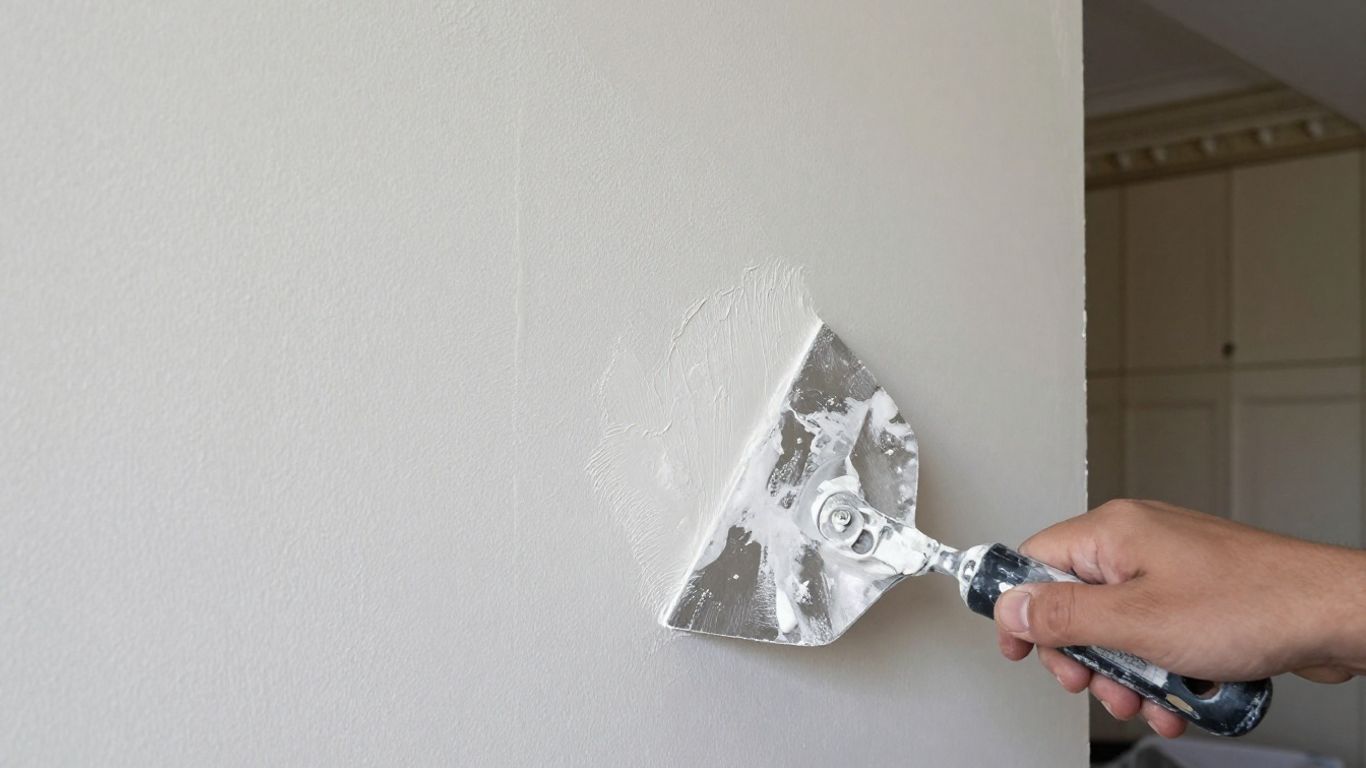
When you’re dealing with dampness in older Bristol homes, Limelite Renovating Plaster is a product that often comes up. It’s a lightweight, cementitious plaster that’s pre-blended and comes in dry bags. The main idea behind it is to help manage moisture that might be coming through traditional walls, especially useful after a damp-proof course has been put in.
It’s designed to act a bit like a traditional cement:lime:sand mix, but instead of sand, it uses a lightweight aggregate called Perlite. This makes it easier to handle and apply. Plus, it has man-made fibres mixed in, which helps stop it from shrinking too much as it dries and makes it a bit stronger. It’s pretty good at stopping salts from coming through the wall and lets the wall dry out naturally. It also has additives that help minimise things like mould growth and staining.
Here’s a quick look at what it aims to do:
Controls dampness moving through walls.
Acts as a barrier against salt transfer.
Allows the wall structure to dry out on its own.
Minimises efflorescence and rust on metal fixings.
While it’s a modern solution, it’s often considered alongside traditional lime plastering for specific issues. If you’re looking for help with plastering projects, you can find local plasterer tradespeople who can advise on the best materials for your home’s specific needs.
Wrapping Up Your Bedroom Plastering Project
So, when it comes to giving your older Bristol bedroom a fresh look, choosing the right plaster is a big deal. We’ve talked about how traditional lime plaster can really help keep those historic walls breathing and looking good, which is super important for older homes. It’s not just about making things look nice; it’s about protecting the building too. Whether you’re restoring a classic feature or just want a healthier, more comfortable space, lime plaster offers a solid, eco-friendly option. It might take a bit more effort or a professional touch, but the results are worth it for keeping your home beautiful and sound for years to come.
Frequently Asked Questions
What exactly is lime plastering?
Lime plastering is a way of finishing walls using natural materials that contain lime. It lets your walls breathe and helps manage moisture, making your home healthier.
How long does it take for lime plaster to dry?
Lime plaster usually takes about 7 to 10 days to dry completely. This can change a bit depending on how humid and warm it is outside.
Can I use lime plaster on newer homes, not just old ones?
Yes, absolutely! Lime plaster works great in modern houses too. It makes them more breathable, lasts a long time, and helps save energy.
How does lime plaster help with dampness?
Lime plaster is fantastic at controlling moisture. It helps prevent damp spots, mold, and damage from water, which is especially good for older houses.
Is lime plaster better for the environment?
Lime plaster is a very eco-friendly choice. It’s made from natural stuff and helps your home use less energy, which is good for the planet.
How is lime plaster different from regular plaster?
Lime plaster is more flexible and lasts longer than regular plaster. It also does a better job of managing moisture and is better for saving energy.