
So, you’re thinking about plastering a bathroom? It’s not quite like plastering any other room in the house, you know? Bathrooms get pretty steamy, and if you don’t use the right stuff or prep the walls right, you’re going to have problems down the road. We’re talking cracks, peeling, maybe even mold if you’re really unlucky. This guide will walk you through what you need to know, from picking the best waterproof plaster for bathroom walls to making sure it all stays put for years to come. Let’s get your bathroom looking good and staying that way.
Key Takeaways
- For bathrooms, always pick a plaster that can handle moisture. Standard plaster just won’t cut it in a steamy environment.
- Proper wall prep is super important. Make sure walls are clean, dry, and any joints are sealed up tight before you start.
- Consider modern systems like drylining with metal studs, especially for new builds or big renovations. It’s often quicker and works well with moisture.
- Apply plaster in thin, even coats. This helps it stick better and reduces the chance of cracking as it dries.
- Good airflow during and after plastering is a must. Let the walls dry out properly to avoid trapped moisture and potential damage.
Choosing the Right Plaster for Bathrooms
Understanding Moisture Resistance Needs
Bathrooms are basically humid environments, right? All that steam from showers and baths means the walls take a beating. If you use the wrong stuff, you’re asking for trouble down the line – think peeling paint, damp patches, or even mold. It’s super important to pick a plaster that can handle this constant moisture. You want something that won’t break down when it gets wet. This means looking beyond standard interior plasters. The goal is to create a surface that’s not only smooth but also resilient against water vapor and occasional splashes. Getting this right from the start saves a ton of headaches later on.Gypsum-Based Plasters with Enhancements
Standard gypsum plaster is fine for most rooms, but for a bathroom, you need a bit more. Many manufacturers now offer gypsum plasters that have special additives mixed in. These additives make the plaster more resistant to moisture. They don’t make it totally waterproof, mind you, but they significantly improve its performance in humid conditions. Think of it as giving the plaster a bit of a shield against the damp. It’s a good middle-ground option, especially if you’re not dealing with direct water contact like in a shower cubicle. These enhanced plasters are generally easy to work with, similar to regular plaster, which is a plus if you’re doing it yourself. Just make sure the product specifically states it’s suitable for bathrooms or high-moisture areas.Cement-Based Plasters for Wet Areas
When you’re talking about areas that get really wet, like shower surrounds or walls right next to a bathtub, cement-based plasters are often the way to go. These are much tougher and more water-resistant than even the enhanced gypsum types. They form a really solid, durable surface that can stand up to direct water exposure much better. You’ll find cement renders are commonly used in places where waterproofing is a top priority. They can be a bit more work to apply than gypsum plasters, and they might require a specific primer or bonding agent, but the durability is worth it for these high-risk zones. It’s a more robust solution for serious moisture.Specialist Bathroom Plaster Options
Beyond the standard gypsum and cement options, there are some specialist products designed specifically for bathrooms. One popular choice is microcement. It’s a thin, cement-based coating that can create a completely waterproof and seamless finish. It’s great because you can apply it over existing surfaces, and it comes in a variety of colors and textures. Another option, though less common for DIYers, is Tadelakt. This is a traditional Moroccan plaster made from lime, which is polished to a high sheen and is naturally waterproof. It’s beautiful but requires a skilled hand to apply correctly. For areas that need a natural, breathable finish, lime plasters and their properties are also worth considering, as they can help manage moisture levels within the wall structure itself, though they might need additional sealing for direct water contact. Always check the manufacturer’s recommendations for any specialist product to make sure it’s the right fit for your specific bathroom needs.Essential Surface Preparation
Alright, before we even think about slapping plaster on the walls, we need to get the surface ready. This isn’t the part people get excited about, but honestly, it’s probably the most important step for a job that lasts. Skipping this is like building a house on sand – it’s just not going to end well.Cleaning and Drying Walls Thoroughly
First things first, everything needs to be clean. We’re talking dust, old paint flakes, grease, soap scum – the works. If you’re plastering over old tiles, make sure they’re sound and not loose. For plasterboard, give it a good wipe down. A clean surface is key for the plaster to stick properly. You don’t want any of that old gunk getting in the way. After cleaning, let the walls dry out completely. Seriously, give them time. Damp walls are a recipe for disaster, leading to mold and plaster that just peels off later. You can speed this up with fans if you need to, but make sure they’re bone dry before you move on.Sealing Plasterboard Joints
If you’re working with plasterboard, those joints between the sheets need some attention. You’ll typically tape and then skim over them with a joint compound. This creates a flat, unified surface. Once that’s dry, you might want to apply a primer or a specific sealer over the entire plasterboard area. This helps to even out the absorbency of the board and the joint compound, so the plaster goes on uniformly. It’s a bit like giving the wall a nice, even base coat before the main event. For areas that will get a lot of water, like right around the tub or shower, you might even consider a waterproof membrane behind the plasterboard, but that’s a whole other topic.Addressing Existing Water Damage and Mold
This is where you can’t cut corners. If you find any signs of water damage – soft spots, crumbling plaster, or worse, mold – you have to deal with it. Mold needs to be killed and removed completely. There are special cleaners for this. If the damage is extensive, you might need to cut out the affected section of plasterboard and replace it. Trying to plaster over mold or rotten material is just asking for trouble down the line. It’s better to fix the root cause of the water issue first, then repair the wall properly. You want a solid, healthy surface to work on, not something that’s going to cause problems later.Think of surface prep like getting your ingredients ready before you start cooking. If your veggies aren’t washed and chopped, your meal isn’t going to turn out great, no matter how good the recipe is. The same goes for plastering.
Advanced Wall Systems for Bathrooms
When you’re tackling a bathroom project, especially a renovation or a new build, thinking beyond just slapping plaster on the walls is a smart move. Bathrooms are tough environments, right? All that steam and moisture can really do a number on standard plaster if you’re not careful. That’s where advanced wall systems come into play. They’re designed to give you a more robust, long-lasting finish that can handle the humidity better.Benefits of Drylining and Metal Studs
Drylining, often done with metal stud framing, is becoming super popular for bathrooms, and for good reason. It’s a faster way to build walls compared to traditional methods. Plus, using moisture-resistant plasterboard means you’re starting with a surface that’s already better equipped to deal with bathroom conditions. It creates a really clean, flat canvas that’s perfect for whatever finish you plan to apply afterward, whether that’s tile, paint, or a special plaster.- Speedy Installation: Metal studs go up quickly, saving time on the job.
- Moisture Resistance: Specific plasterboards are made to resist damp.
- Smooth Finish: Provides a uniform surface for subsequent finishes.
- Flexibility: Easy to run pipes and wires within the stud cavities.
Integrating Plastering with Drylining
So, you’ve got your drylined walls up. Now what? The plastering part is where you bring it all together. You’ll want to make sure any joints between plasterboard sheets are properly taped and maybe even use a specific type of jointing compound that’s good for wet areas. Then, you’ll apply your plaster. The goal here is to create a surface that looks like one continuous wall, without any visible seams or imperfections. It’s about making the whole system work together.Proper preparation is key when integrating plastering with drylining. This includes using the right tape and compound for joints, and applying thin, even coats of plaster to avoid stress cracks. The aim is a unified, durable surface.
Achieving a Seamless, Durable Finish
Ultimately, the point of these advanced systems is to get a finish that looks great and lasts. When done right, a drylined and plastered bathroom wall feels solid and looks incredibly smooth. It’s a modern approach that really pays off in terms of both aesthetics and performance. You get a wall that’s not only ready for daily use but also better protected against the common issues bathrooms face. For a truly spa-like feel, consider lime plasters and their properties which offer a natural, breathable finish that works well with these systems.| Feature | Drylining with Metal Studs | Traditional Plastering |
|---|---|---|
| Installation Speed | Faster | Slower |
| Moisture Resistance | High (with correct board) | Variable |
| Surface Uniformity | Excellent | Good |
| Flexibility | High | Moderate |
Application Techniques for Durability
Applying plaster in your bathroom isn’t just about slapping it on the wall and hoping for the best. If you want it to last, especially in a damp environment, you’ve got to be a bit more thoughtful about how you do it. It’s like baking a cake – follow the steps, use the right ingredients, and don’t rush it.Applying Plaster in Thin, Controlled Layers
Think of plaster like paint, but thicker. You don’t just slop on one massive coat and expect it to look good or dry properly. Instead, you want to build it up. This means applying it in thin, even layers. Each layer should be just thick enough to cover the surface without being lumpy or uneven. This approach helps with drying and makes it easier to get a smooth finish. Trying to put it on too thick in one go is a recipe for disaster – it’ll crack as it dries and won’t adhere well.Ensuring Proper Adhesion and Drying Time
This is where patience really pays off. Before you even think about plastering, make sure your walls are prepped. We’re talking clean, dry, and maybe even primed, depending on what you’re plastering over. Once the plaster is on, you absolutely must let each layer dry properly before applying the next. Rushing this step is one of the biggest mistakes people make. It leads to weak spots, cracking, and a finish that just won’t hold up. The manufacturer’s instructions are your best friend here; follow them to the letter regarding drying times. For example, some plasters need a specific humidity level to cure correctly, so keep that in mind. Bathroom plastering demands this kind of care.Avoiding Overworking the Plaster
Once the plaster is on the wall, you have a limited window to work with it. You want to smooth it out and get it looking neat, but you don’t want to keep going over and over the same spot. Overworking the plaster can actually weaken it or create a surface that’s too smooth, making it hard for subsequent layers to stick. You’re aiming for a consistent texture, not a polished mirror finish at this stage. Think of it as getting it just right, then stepping away. If you’re using something like Tadelakt, which requires hand polishing, that’s a different kind of ‘working’ the plaster, but for most standard bathroom plasters, less is more once it’s applied.The key to a durable plaster finish in a bathroom is a methodical approach. It’s about building up layers, respecting drying times, and knowing when to stop. This careful application prevents common issues like cracking and poor adhesion, which are especially problematic in humid environments. A well-applied plaster job will look good and last for years.Here’s a quick rundown of what to keep in mind:
- Thin Coats: Apply plaster in layers, typically no more than 1/4 inch thick per coat.
- Drying is Key: Allow each layer to dry sufficiently before applying the next. Check manufacturer guidelines.
- Gentle Finishing: Smooth the plaster, but avoid excessive manipulation once it’s applied.
- Surface Prep: Always start with a clean, dry, and sound substrate. This is non-negotiable for good adhesion.
Ventilation and Curing for Longevity
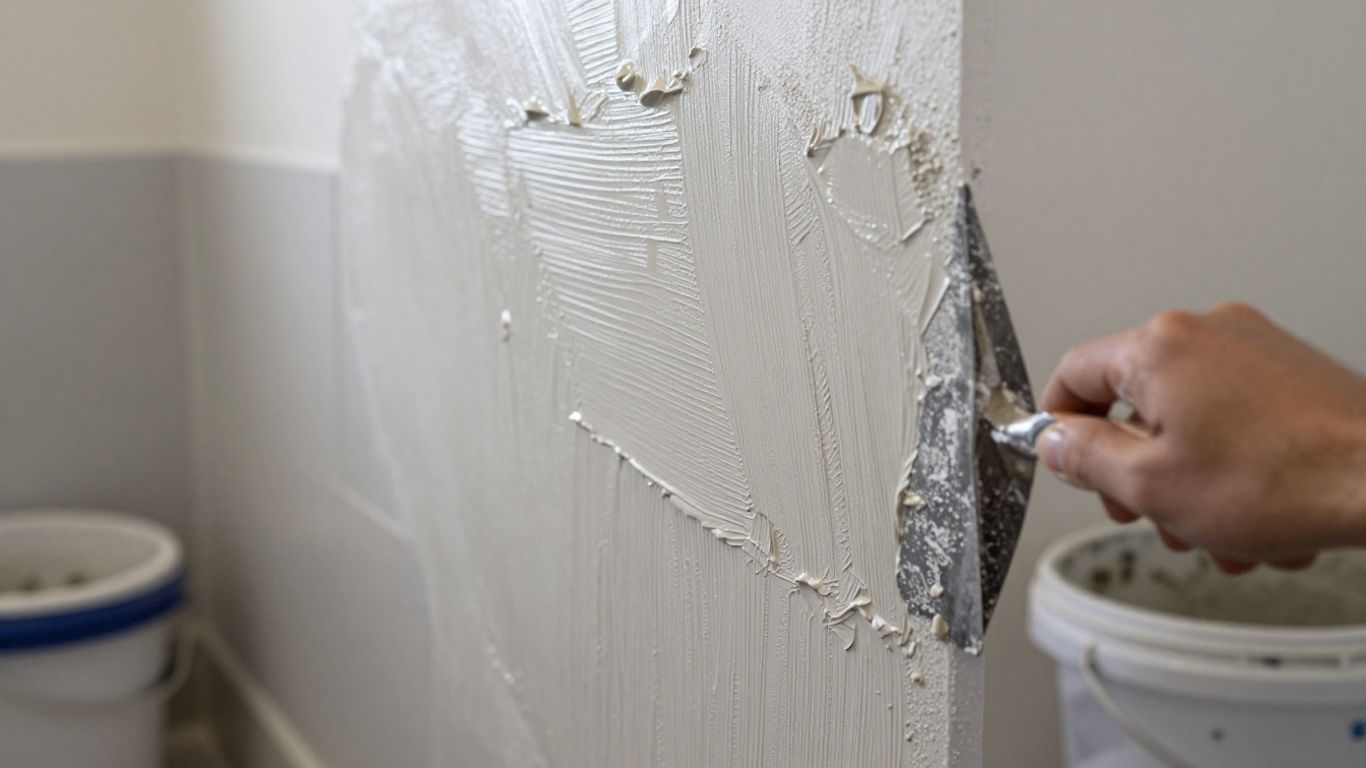
Importance of Airflow During Application
Even while you’re plastering, good airflow is a big deal. It helps the plaster start to set evenly and prevents moisture from getting trapped. Think about it: if the air in the bathroom is thick and humid, the plaster is just going to sit there, getting soggy. You don’t want that.Using Fans and Dehumidifiers
Once the plaster is on, you might want to bring in some help. Fans can really speed things up by keeping the air moving. A dehumidifier can also be a lifesaver, especially if your bathroom tends to be a bit damp anyway. It pulls the moisture right out of the air, helping the plaster dry properly. This controlled drying is key to a strong finish.Controlled Drying to Prevent Cracking
This is where patience really pays off. You can’t just blast the heat or open all the windows wide open right away. The plaster needs to dry gradually. If it dries too fast, especially on the surface, it can shrink and crack. It’s a bit of a balancing act – you want it to dry, but not too fast.Plaster needs time to reach its full potential. Rushing the drying process is a common mistake that leads to surface issues and compromises the overall integrity of the finish. Think of it as a slow bake rather than a quick fry.
Proper Curing for Strength
After the initial drying, there’s a curing period. This is when the plaster really hardens up and gains its strength. For cement-based plasters, this can take a while, sometimes weeks. You might need to keep the surface slightly damp for a period, especially in dry weather, to help it cure properly. For gypsum plasters, it’s more about letting it dry out completely. Always check the manufacturer’s instructions for the specific type of plaster you’re using, as they’ll have the best advice. Getting this right means your bathroom walls will be much more durable in the long run, resisting wear and tear better. It’s worth the wait to achieve a durable finish. Here’s a quick rundown of what to expect:- Initial Drying: Usually a few days, depending on conditions.
- Curing Period: Can range from a week to several weeks for cement-based plasters.
- Manufacturer Guidelines: Always the best source for specific timing.
| Plaster Type | Typical Drying Time | Curing Time (Approx.) |
|---|---|---|
| Gypsum-Based | 2-5 days | 1-2 weeks |
| Cement-Based | 5-10 days | 2-4 weeks+ |
| Specialist (e.g., Lime) | Varies | Varies |
Exploring Alternative Waterproof Finishes
So, you’re looking beyond the usual tiles for your bathroom walls? That’s a smart move, especially if you want something a bit different and still want to keep the moisture out. There are some really cool options out there that offer great protection and a unique look.Microcement for Waterproof Barriers
Microcement is a popular choice these days, and for good reason. It’s a cement-based coating that’s applied in thin layers. What’s great about it is that it creates a totally seamless surface. No grout lines to worry about cleaning! It’s also really good at resisting water, which is obviously a big deal in a bathroom. You can get it in all sorts of colors and finishes, from super smooth and glossy to a bit more textured.- Moisture Resistance: Excellent, especially when sealed properly.
- Aesthetics: Modern, seamless, and customizable.
- Application: Requires careful preparation and multiple thin coats.
Tadelakt for Natural Waterproofing
Now, Tadelakt is something else entirely. It’s an ancient Moroccan lime plaster that’s naturally waterproof. It’s applied and then polished to a smooth, almost waxy finish. This gives it that characteristic sheen and makes it incredibly resistant to water. It’s often used in showers and wet areas because of this.Tadelakt is known for its beautiful, organic look and its ability to create a spa-like atmosphere. It’s a natural material, which appeals to a lot of people looking for eco-friendly options.However, Tadelakt isn’t the easiest thing to apply. It takes a bit of skill and a specific technique, often involving hand polishing. It’s definitely more of an artisanal finish. While it’s great for walls and shower areas, it’s usually not recommended for floors that get a lot of foot traffic. For those spots, you might need something tougher.
Lime Plasters and Their Properties
Lime plaster is another natural option, and it’s been around for ages. It’s breathable, which can help with moisture management in a different way than waterproof coatings. It also has a more rustic, textured look that some people really love.- Breathability: Helps walls ‘breathe’, potentially reducing mold issues.
- Aesthetics: Offers a natural, textured, and often rustic appearance.
- Water Resistance: Generally less water-resistant than microcement or Tadelakt, requiring careful sealing and maintenance.
Common Plastering Mistakes to Avoid
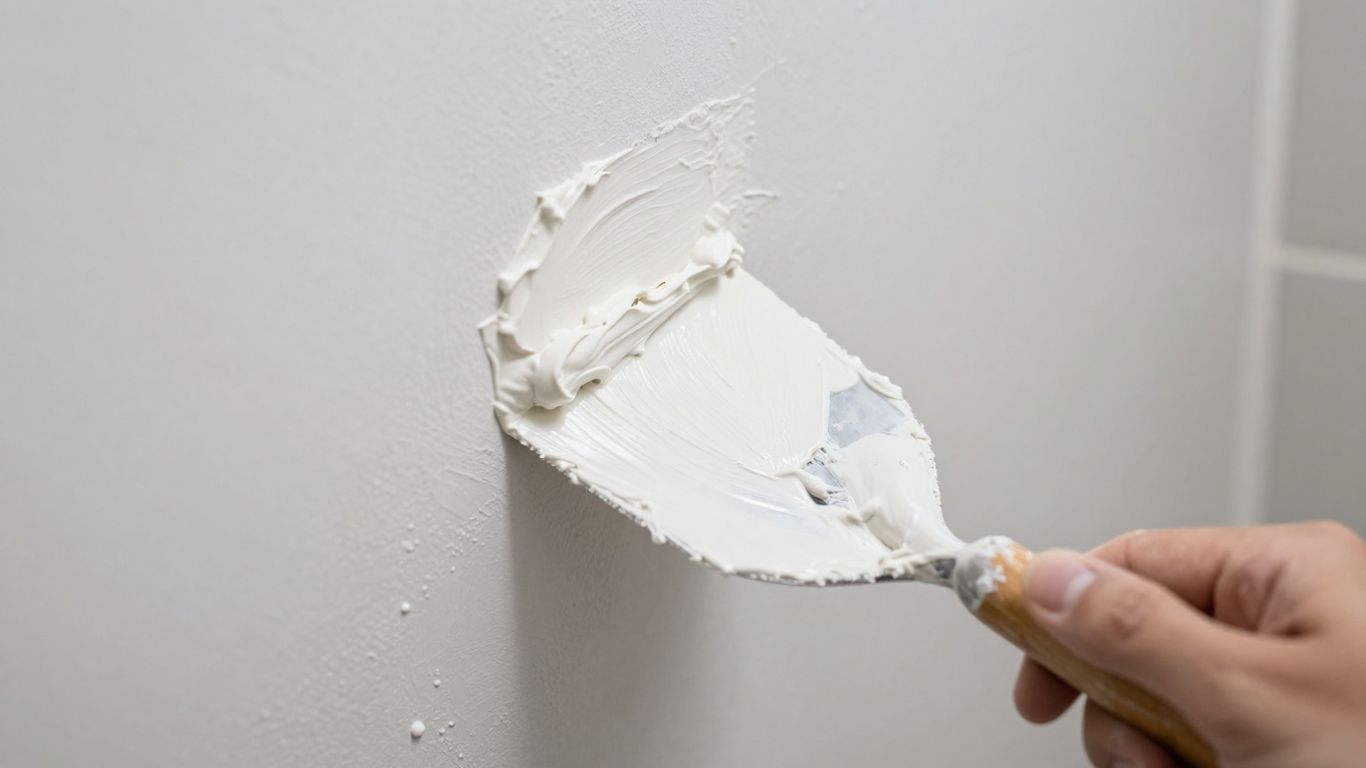
Issues with Unclean or Dry Surfaces
This is a big one, honestly. If you slap plaster onto a dusty, greasy, or bone-dry wall, it’s just not going to stick properly. Think of it like trying to glue two dirty pieces of wood together – it just won’t hold. Dust and loose bits prevent good adhesion, and a super dry surface will suck the moisture right out of the plaster too fast. This often leads to cracks or, worse, the whole layer peeling off down the line. Always make sure your walls are clean and have a bit of moisture before you start. A lightly dampened surface is usually best.Incorrect Mixing Ratios
Every plaster product has a specific recipe, and messing with it is a bad idea. Adding extra water to make the plaster easier to spread might seem like a good shortcut, but it seriously weakens the mix. You end up with a less durable finish that’s more prone to damage. It’s tempting to just eyeball it, especially when you’re tired, but sticking to the manufacturer’s recommended water-to-plaster ratio is key for a strong, lasting job. This applies whether you’re using gypsum, cement, or lime-based plasters.Inadequate Curing Processes
This is where a lot of people cut corners, and it’s a shame because it’s so important for strength. Curing isn’t just letting the plaster dry; it’s a process that allows the plaster to gain its full strength. For cement-based plasters especially, you need to keep them damp for a period after application – usually for at least seven days. This controlled moisture helps the chemical reactions that make the plaster hard and durable. Skipping this step, or letting it dry out too quickly, is a common cause of surface cracks. It’s better to wait too long than not long enough when it comes to curing.Proper curing is like letting a cake bake all the way through. If you pull it out too early, it’s going to be a gooey mess. Plaster needs that time and controlled environment to become strong and resilient, especially in a bathroom where it faces extra challenges.
Wrapping It Up
So, picking the right plaster for your bathroom isn’t just about making things look nice. It’s really about making sure your walls can handle the steam and splashes for years to come. We’ve talked about how important moisture resistance is, whether you’re going with a special gypsum mix, cement-based stuff, or even something like microcement. Remember to prep those walls right – clean and dry is the name of the game. And don’t forget about letting things dry out properly afterwards; trapped moisture is a real headache. Whether you’re tackling a small powder room or a big master bath, getting the plastering done correctly means a better-looking, longer-lasting space. If it all sounds a bit much, bringing in someone who knows their plaster can save you a lot of hassle down the line.Cracked, blown or failing plaster? Our professional plastering team in Bristol can assess and repair it. Get a free quote.