
Thinking about getting rid of that old Artex ceiling in Bristol? It’s a common job, especially in older homes. But before you start, it’s good to know what you’re getting into, cost-wise. This isn’t just a simple scrape-and-paint job, especially if asbestos is involved, which it often is with Artex. We’ll break down what you can expect to pay for Artex ceiling removal in Bristol, looking at different factors that play a role.
Key Takeaways
The cost of removing Artex ceiling in Bristol depends heavily on the surface it’s applied to: plasterboard, plaster, or concrete.
Asbestos Artex removal is not a licensed job, but it must be done safely and legally, often requiring professional services.
Expect additional costs for site setup, including power, water, welfare facilities, and creating an enclosed work area.
Specialized situations like difficult access or removing Asbestos Insulating Board (AIB) will increase the price.
Safety is paramount; professional removal includes proper air monitoring and clearance testing to ensure the area is safe after work.
Understanding Artex Ceiling Removal Costs In Bristol
So, you’ve got that classic textured ceiling and you’re wondering about getting rid of it, especially here in Bristol. It’s a common question, and honestly, the cost can really vary. The biggest factor influencing the price is whether asbestos is present. If it is, you’re looking at a different ballgame entirely, requiring specialized handling and disposal.
What Is Asbestos Artex?
Artex itself is just a brand name, like calling any facial tissue a Kleenex. The actual product is a type of asbestos-containing textured or decorative coating. It starts as a dry powder with asbestos fibers mixed in, and then water is added to create that familiar plaster-like substance. Once applied and dried, it gives you that distinctive textured finish. It’s not just on ceilings either; you might find it on walls or even structural beams. Knowing if your Artex contains asbestos is the first, and most important, step.
Factors Influencing Artex Removal Pricing
Several things can nudge the price up or down. The surface the Artex is applied to makes a big difference – plasterboard, plaster, or concrete each require a different approach. The size of the area, obviously, plays a role, but so does the condition of the existing surface and how easy it is for workers to get to. You also have to factor in site setup, like needing power and water, and potentially setting up welfare facilities for the crew. Sometimes, creating an enclosed work area is necessary for safety, which adds to the cost. For a general idea, the average cost to remove an Artex ceiling can range from £8 to £15 per square metre, but this doesn’t always include the specialized work needed if asbestos is involved. For a more detailed breakdown of costs, you can look at pricing for different finishes.
The Importance Of Professional Artex Removal Services
While removing Artex that doesn’t contain asbestos might seem like a DIY job, if asbestos is present, it’s absolutely not. Even if the work doesn’t strictly require an HSE license, it’s legally required to be done safely and correctly. Hiring professionals means they have the right training, equipment, and insurance to handle it. They know how to contain the area, manage the waste, and perform the necessary air monitoring to make sure your home is safe afterwards. It might cost more upfront, but it’s about peace of mind and avoiding serious health risks down the line. For instance, removing an asbestos-containing Artex ceiling of about 20m² could cost anywhere from £2,750 to £6,000, depending on those factors we just talked about [83ec].
When dealing with potential asbestos, it’s always better to err on the side of caution. Professional removal services are equipped to handle the risks involved, protecting both their workers and your household from harmful fibers.
Surface Type And Its Impact On Artex Removal Expenses
So, you’ve got Artex on your ceiling, and you’re wondering about the cost to get rid of it. Well, one of the biggest things that’s going to affect the price is what’s underneath that textured coating. It’s not just about scraping off the Artex itself; the material it’s stuck to makes a big difference in how the job is done and, therefore, how much it costs.
Artex Removal From Plasterboard
If your Artex is on plasterboard, this is generally the most straightforward and cost-effective scenario. The usual method here is to remove the entire plasterboard sheet with the Artex still attached. Think of it as a complete replacement rather than just a surface job. While this might mean you’ll need to re-board the ceiling afterward, the actual removal process is quicker and less labor-intensive. This approach often means lower removal costs compared to other surfaces. It’s a bit like deciding to replace a whole section of wallpaper instead of trying to patch it.
Artex Removal From Plaster Finishes
When Artex has been applied over a plaster finish (like a skim coat on brick or concrete), the removal process gets a bit more involved. The goal here is to strip away the Artex and the plaster layer beneath it, getting back to the original substrate. This is typically done using hand tools and sometimes mechanical ones, and let me tell you, it can be a messy and time-consuming job. You’re left with a surface that will likely need replastering. This extra work and the potential for more dust and debris mean you’re looking at a higher cost than with plasterboard.
Artex Removal From Concrete Surfaces
Removing Artex from concrete surfaces, often found in places like stairwells or communal areas, presents its own set of challenges. The aim is to get the Artex off without causing too much damage to the original concrete. Two common methods are used: steam application, which gently lifts the Artex, or a chemical gel that loosens it for scraping. Both methods are quite labor-intensive and can be messy. After the Artex is gone, the concrete surface might need some attention, like painting. Because of the specific techniques and the potential for more detailed work, this can also influence the overall expense. For example, dealing with textured coatings on garage roofs can have similar cost considerations per square meter, starting around £50 asbestos garage roof removal.
The underlying material dictates the removal strategy. Whether it’s plasterboard, a plaster finish, or concrete, each surface requires a different approach, directly impacting the labor, time, and ultimately, the cost of getting your ceiling smooth again. It’s not a one-size-fits-all situation.
Here’s a quick look at how the surface type might affect the process:
Plasterboard: Easiest, often involves full sheet removal. Generally the lowest cost for removal.
Plaster Finish: More involved, requires stripping plaster too. Can be messy and time-consuming.
Concrete: Requires careful removal to avoid damage. May involve specialized techniques like steam or chemicals.
Remember, these are general guidelines. A professional assessment is always best to get an accurate quote. Skilled plasterers in Bristol can help smooth things over once the Artex is gone, but the removal itself is the first hurdle.
Cost Breakdown For Artex Ceiling Removal Bristol
So, you’re wondering about the actual numbers for getting that old Artex ceiling sorted out in Bristol? It’s not a one-size-fits-all situation, and the price tag can shift based on a few key things. The biggest factor is what the Artex is actually stuck to. We’re talking about different materials, and each one needs a slightly different approach, which naturally affects the cost.
Pricing For Plasterboard Finishes
When Artex has been applied over plasterboard, the removal process is generally a bit more straightforward. This often means lower costs compared to other surfaces. The contractor needs to be careful not to damage the plasterboard too much, but it’s usually a manageable task. For smaller areas, say 10 to 20 square metres, you might be looking at around £50 per square metre. As the area gets bigger, the price per square metre tends to drop a bit, which is pretty standard for most types of work. For over 200 square metres, it could be as low as £38 per square metre.
Pricing For Plaster Finishes
Removing Artex from a plaster finish can be a bit trickier. Plaster can be more delicate, and there’s a higher chance of needing to repair or even re-plaster the ceiling after the Artex is gone. This extra work adds to the overall expense. Expect to pay a bit more than for plasterboard, maybe starting around £60 per square metre for smaller jobs (10-20 sqm) and coming down to about £48 per square metre for larger projects (over 200 sqm).
Pricing For Concrete Finishes
Concrete surfaces present their own set of challenges. While concrete is tough, removing Artex from it can be labour-intensive and might require specific tools or techniques. This usually makes it the most expensive option. For areas between 10 and 20 square metres, the cost could be around £65 per square metre. For larger areas, say over 200 square metres, the price per square metre might settle around £53. It’s always best to get a few quotes to see how these figures stack up for your specific situation. Remember, these figures are just a guide, and the final price will depend on the specifics of your project and the professional asbestos removal services you choose.
It’s important to remember that these prices usually include the contractor handling all the setup, like making sure there’s power and water, and preparing the work area. They also factor in the disposal of the removed material. So, while the per-square-metre cost might seem high, it often covers a lot of the logistical headaches for you.
Here’s a quick look at the typical price ranges:
Surface Type | 10-20 sqm | 21-50 sqm | 51-100 sqm | 100-200 sqm | Over 200 sqm |
|---|---|---|---|---|---|
Plasterboard | £50/m² | £46/m² | £42/m² | £40/m² | £38/m² |
Plaster | £60/m² | £56/m² | £52/m² | £50/m² | £48/m² |
Concrete | £65/m² | £61/m² | £57/m² | £55/m² | £53/m² |
Keep in mind that these are estimates for the Artex removal itself. You might have additional costs for things like site preparation, welfare facilities, and creating an enclosed work area, which are covered in other sections. Getting a detailed quote from a reputable company is the best way to know exactly what to expect for your ceiling replacement project.
Additional Costs Associated With Artex Removal
So, you’re looking into getting that old Artex ceiling sorted out in Bristol. We’ve talked about the main removal costs, but there are a few other bits and pieces that can add to the final bill. It’s not just about the crew showing up and scraping. Think of it like preparing a stage for a big performance – you need the right setup before the main act can even begin.
Site Setup and Preparation Expenses
Before any Artex removal can even start, the area needs to be prepped. This often means making sure there’s a reliable power and water supply for the tools and the team. Sometimes, this involves bringing in generators or water bowsers if the site doesn’t have what’s needed readily available. It’s all about making sure the job can run smoothly without interruptions. These preparatory steps are often bundled into the overall quote, but it’s good to know what they cover.
Welfare Facilities and Utilities
Your removal team will need a place to take breaks, wash up, and store their gear. While some sites might have existing facilities, it’s common for asbestos removal specialists to bring their own portable welfare units. This ensures everything is up to standard and keeps the work area clear. It’s a small detail, but it’s part of keeping the project organised and safe.
Enclosed Work Area Requirements
Even though removing Artex isn’t always a licensed asbestos job, safety is paramount. Professionals will usually set up a controlled, enclosed environment to stop any stray fibres from spreading. This might involve sheeting off the area and using special air filtration systems. The complexity and size of this enclosure will naturally affect the cost. It’s a bit like building a temporary clean room right there in your house.
Building a safe, contained workspace is non-negotiable when dealing with potential asbestos. It protects not only the workers but also everyone else in the building and the surrounding environment. This containment is a key part of the professional service you’re paying for.
Here’s a quick look at what might be included:
Power Supply: Ensuring consistent electricity for tools and air scrubbers.
Water Supply: Needed for dust suppression and cleaning.
Waste Containment: Proper bagging and sealing of removed materials.
Personal Protective Equipment (PPE): Suits, masks, and gloves for the removal team.
Decontamination Units: Facilities for workers to clean themselves before leaving the work zone.
These elements, while not directly the Artex removal itself, are vital for a safe and compliant job. They contribute to the overall expense but provide peace of mind that the work is being done correctly. If you’re getting quotes, make sure these aspects are clearly itemised so you know exactly what you’re paying for. For more on related services, you might look into plastering services.
Specialized Artex Ceiling Removal Considerations
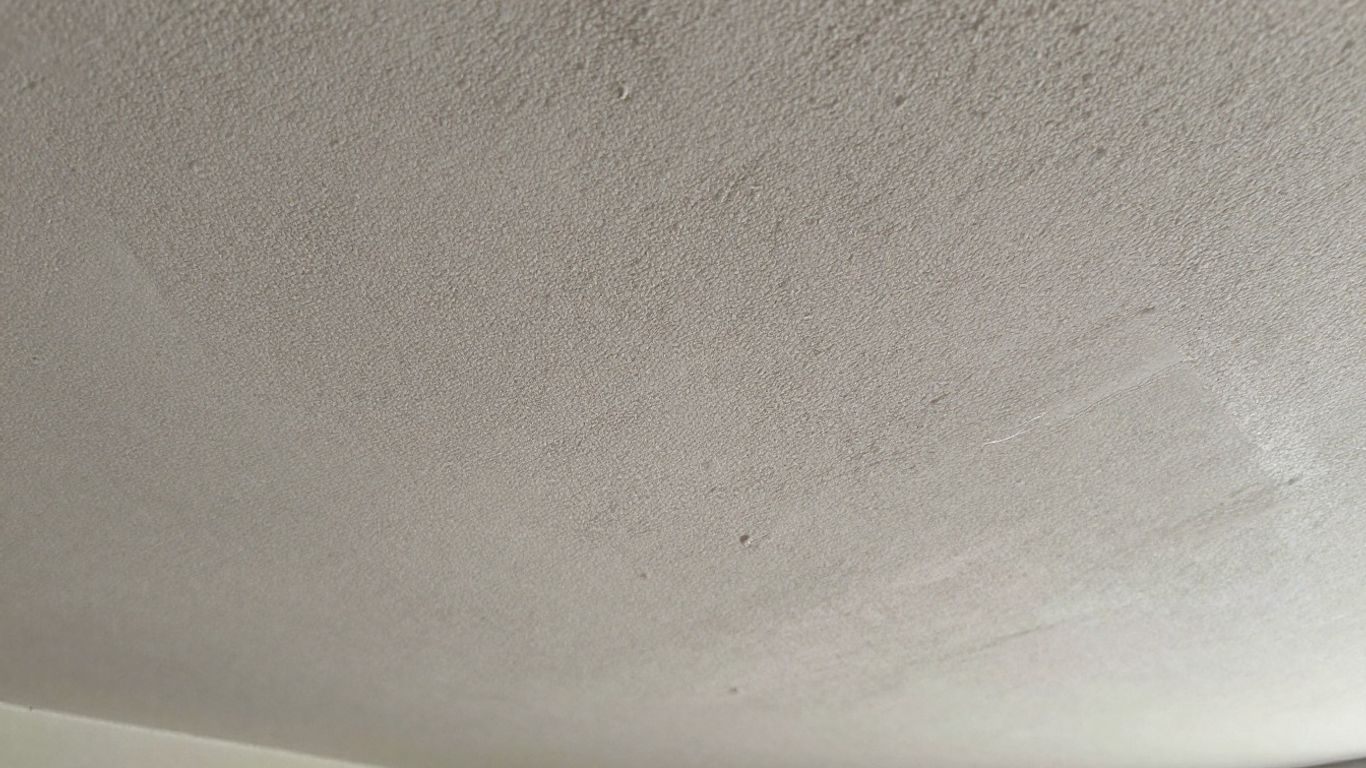
When you’re looking at getting Artex ceilings removed, especially if asbestos is involved, there are a few extra things that can pop up and affect the overall job and, of course, the price. It’s not always as straightforward as just scraping it off.
Access Challenges and Equipment Needs
Sometimes, the Artex is in a spot that’s just plain hard to get to. Think about high ceilings, awkward room shapes, or even just tight spaces where standard ladders won’t cut it. This is where specialized access equipment comes into play. We’re talking about things like scaffolding or even powered access platforms. Using this kind of gear adds to the cost because it takes more time to set up and requires trained operators. If the removal contractor assumes easy access but finds they need extra equipment, that’s going to be an additional charge. It’s always best to be upfront about any potential access issues when you get your quote.
Asbestos Insulating Board Ceiling Removal
While this section is about Artex, it’s worth noting that sometimes Artex might be applied over other materials that also contain asbestos, like Asbestos Insulating Board (AIB). Removing AIB is a different ballgame altogether. It’s a licensed asbestos removal activity, meaning it requires a specific license from the Health and Safety Executive (HSE). This is because AIB is generally more hazardous than Artex coatings. The process is much more stringent, involving higher levels of containment and safety protocols. If your Artex ceiling is found to be over AIB, the cost will significantly increase due to the licensing requirements and the more complex removal procedures involved. This is a situation where you absolutely need to hire a licensed asbestos contractor.
Cost Variations for Different Locations
Even within Bristol, you might see slight differences in quotes. This can sometimes come down to the contractor’s base of operations and how far they have to travel. A company based right in the city center might charge a bit less for a job on the outskirts than a company based further away, simply due to travel time and fuel costs. Also, some areas might have stricter local council regulations or parking restrictions that could add a small amount to the overall expense. It’s always a good idea to get a few quotes from different local companies to compare.
Ensuring Safety And Compliance During Removal
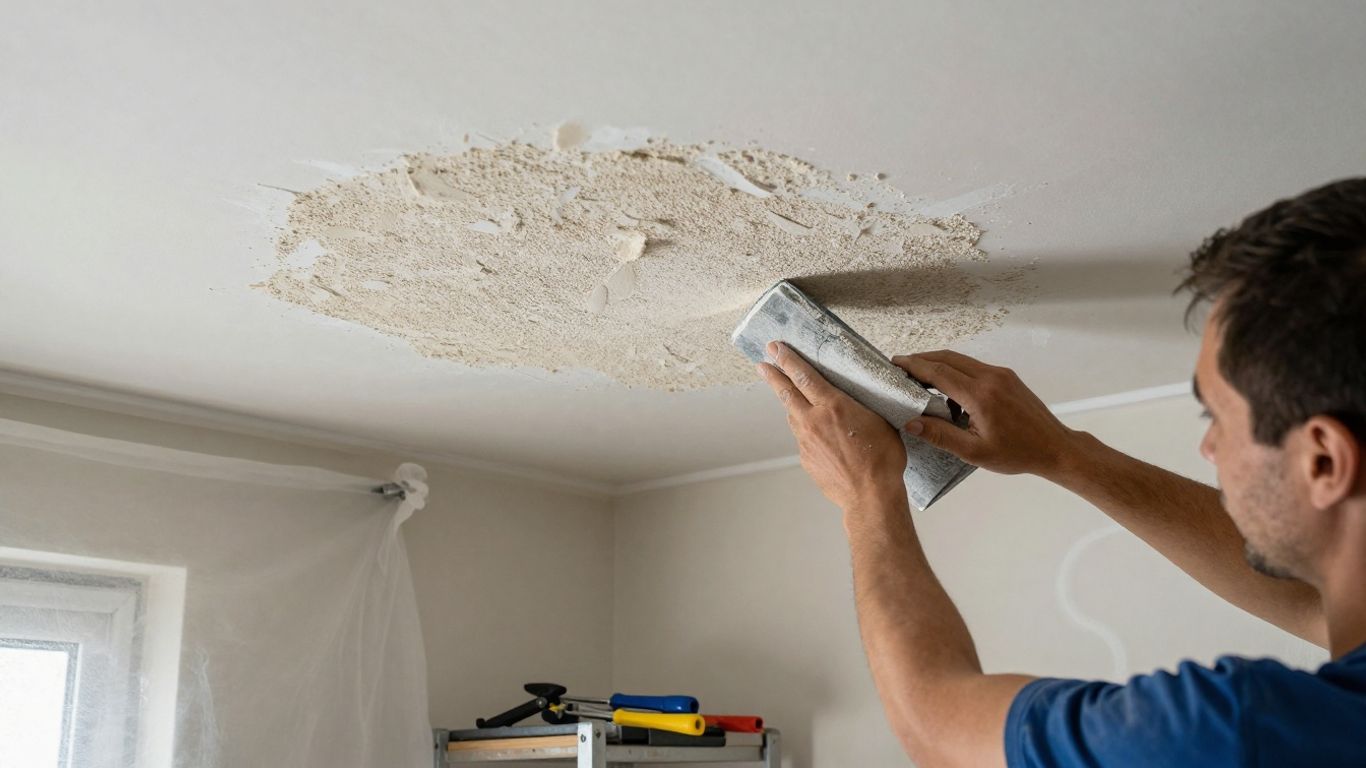
When it comes to dealing with Artex that might contain asbestos, safety and following the rules are super important. It’s not just about getting the job done; it’s about making sure no one gets sick from inhaling any stray fibres. This means working with professionals who know exactly what they’re doing and have the right gear.
HSE Licensing And Insurance
First off, you need to know if the Artex you’re dealing with actually has asbestos in it. A professional survey can confirm this. If it does, and you’re planning on removing it, you’ll want to hire a contractor who is fully licensed by the Health and Safety Executive (HSE) for asbestos work. This isn’t just a suggestion; it’s a legal requirement for certain types of asbestos removal. They’ll also need to have proper insurance. This protects everyone involved, including you, should anything unexpected happen during the project. It’s a big deal, and cutting corners here is just not worth the risk.
Air Monitoring And Clearance Testing
After the Artex is removed, the work isn’t quite finished. You’ll need to make sure the air in your home is clean and free from any asbestos fibres. This is where air monitoring and clearance testing come in. A licensed contractor will conduct tests to confirm that the area is safe to reoccupy. The statutory 4-stage clearance test is a key part of this process, confirming the work was done well and the area is safe. Sometimes, additional air monitoring might be recommended, depending on the specifics of the job, to check how well the control measures worked during the removal. This testing is vital for peace of mind and legal compliance.
Decontamination Facilities For Asbestos Work
Proper decontamination facilities are a must when asbestos is being removed. This usually involves a special decontamination unit (DCU) provided by the removal company. Think of it as a series of rooms designed to prevent asbestos fibres from spreading outside the work area. Workers go through these units to clean themselves and their equipment before leaving the site. This setup is critical for maintaining a safe environment, not just for the workers but for your household and neighbours too. It’s a non-negotiable part of the process when dealing with potentially hazardous materials like asbestos-containing Artex. The cost of these facilities is usually factored into the overall removal price, but it’s good to be aware of why they’re needed. Asbestos surveys can help identify potential issues early on.
Wrapping Up Your Artex Removal Project in Bristol
So, we’ve gone over the nitty-gritty of what it costs to get that old Artex ceiling sorted out here in Bristol, especially when asbestos is involved. It’s not a simple ‘one size fits all’ kind of deal, is it? The price really does swing based on what the Artex is stuck to – plasterboard, plaster, or concrete – and how big the job is. Plus, all the prep work, like setting up safe zones and making sure the crew has what they need, adds to the bill. Remember, even though Artex removal itself might not need a special license, doing it safely is the law. Getting a few quotes from reputable pros is definitely the way to go to get a clear picture for your specific situation. It might seem like a hassle, but getting it done right means peace of mind and a safer home.
Frequently Asked Questions
What exactly is Artex, and why is it a concern?
Artex is a brand name for a type of textured coating often found on ceilings and walls. Sometimes, older Artex contains asbestos, a material that can be harmful to your health if disturbed. This is why removing it requires special care.
How does the surface type affect the cost of Artex removal?
The kind of surface Artex is on makes a difference. Removing it from plasterboard is often simpler and cheaper because the whole board can sometimes be taken down. Taking it off plaster or concrete can be more difficult and take longer, which usually means a higher cost.
What are the typical costs for Artex removal in Bristol?
Costs can vary a lot, but generally, removing Artex from plasterboard might cost around £40-£65 per square meter, while plaster finishes could be £50-£75 per square meter, and concrete might be £55-£80 per square meter. These prices depend on the size of the area and other factors.
Are there extra costs I should be aware of besides the removal itself?
Yes, definitely. You might have to pay for setting up the work area, like building protective enclosures and making sure there’s power and water. Also, proper disposal of the asbestos material adds to the overall expense.
Do I need a licensed professional for Artex removal?
While removing Artex itself might not always need a special license, it’s strongly recommended to hire professionals who are experienced and insured. They know how to handle asbestos safely and follow all the rules to protect you and your home.
What safety measures are taken during Artex removal?
Safety is key. Professionals will set up a contained work area to prevent asbestos fibers from spreading. They’ll also conduct air monitoring before, during, and after the work to ensure the area is safe and clear of any harmful particles.