
Thinking about updating your walls? You’ve probably heard of Venetian plaster and maybe even regular plaster. They sound similar, but they’re actually pretty different. One gives you that fancy, old-world look, while the other is more about just getting a smooth surface. So, which one is the right choice for your home? Let’s break down the Venetian plaster vs normal plaster debate to help you figure it out.
Key Takeaways
Venetian plaster is made from lime, marble dust, and pigments, creating a natural, stone-like finish with depth and movement, unlike the flat, one-dimensional look of regular plaster.
The durability of Venetian plaster is superior; it dries to a hard, stone-like surface that resists scratches and wear, and it can even strengthen over time, whereas regular plaster is more prone to cracks and chips.
Venetian plaster is naturally breathable and mold-resistant due to its lime base, contributing to better indoor air quality and making it suitable for humid areas, while regular plaster can trap moisture.
While regular plaster is a functional, often DIY-friendly option, Venetian plaster requires skilled professionals for application, leading to higher initial costs but a more artistic and lasting result.
Choosing Venetian plaster offers a wide range of aesthetic possibilities, from high gloss to matte finishes, and can even increase a home’s perceived value, making it a significant investment in artistry and longevity compared to standard plaster.
Understanding The Core Differences: Venetian Plaster vs Normal Plaster
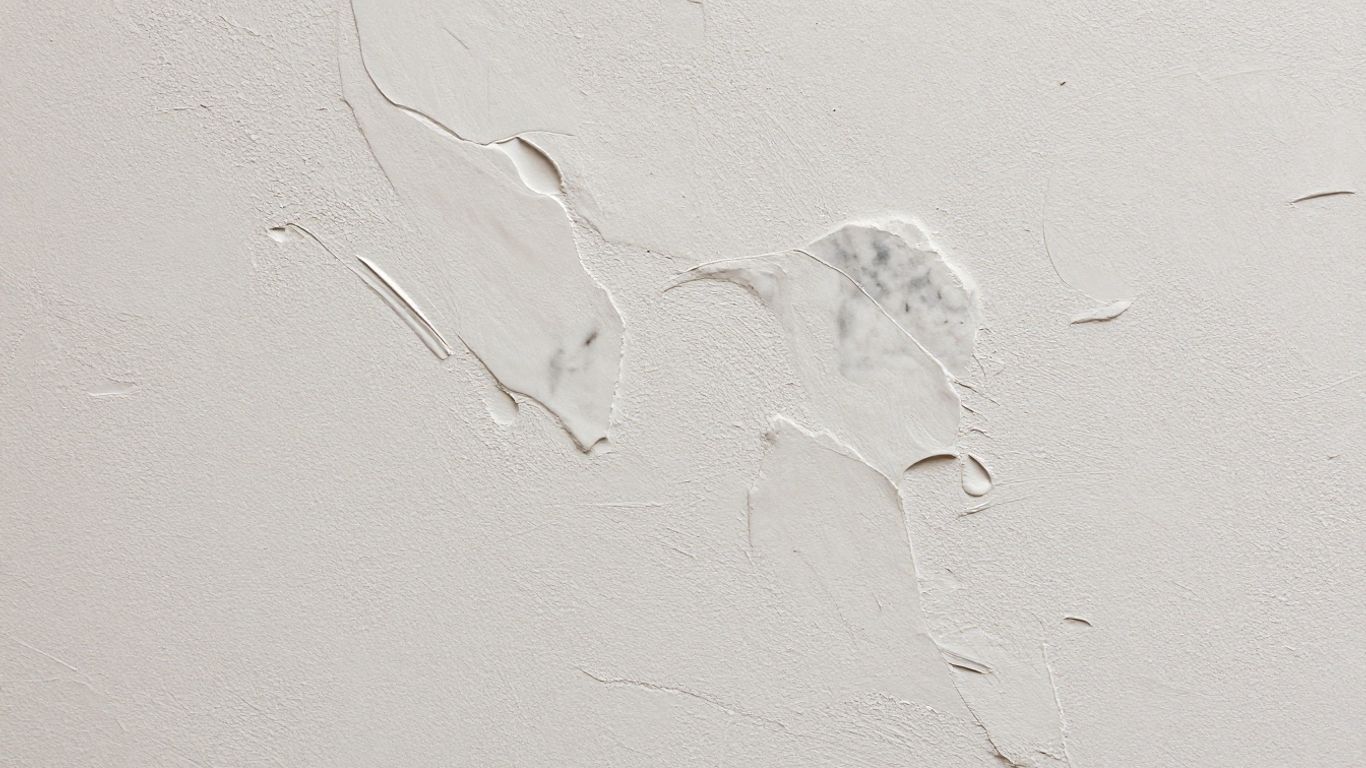
So, you’re looking into wall finishes and keep hearing about Venetian plaster, but what’s the big deal? And how does it stack up against what we usually call ‘normal’ plaster? It’s not just about looks, though that’s a huge part of it. The real differences start with what they’re made of and how that affects everything else.
Composition and Materials
Think of Venetian plaster as the fancy cousin. Its main ingredients are lime putty and marble dust. This mix is what gives it that unique, stone-like quality and depth. It’s a natural material, often with mineral pigments for color. On the other hand, ‘normal’ plaster, the kind you’re probably most familiar with, is typically made from gypsum (like drywall compound) or cement. These are more basic materials, designed primarily to create a smooth, flat surface.
Here’s a quick look at the basics:
Feature | Venetian Plaster | Normal Plaster (Gypsum/Cement) |
|---|---|---|
Base Material | Lime + Marble Dust | Gypsum or Cement |
Appearance | Depth, movement, sheen | Flat, uniform |
Eco-Friendly | Natural, often zero VOC | Can contain synthetics |
The core difference really boils down to the materials. Venetian plaster uses natural lime and finely ground marble, creating a finish that’s almost like a natural stone. Regular plaster is more about creating a functional, flat surface using gypsum or cement.
The Aesthetic Appeal of Each Finish
This is where you really see the divergence. Venetian plaster is famous for its luxurious, high-end look. It has this incredible depth and subtle movement, almost like polished marble or silk. Depending on how it’s applied, it can range from a soft, matte finish to a high-gloss, reflective surface that catches the light beautifully. It really makes a wall look like a piece of art. Normal plaster, well, it’s usually just flat. It’s a clean, smooth surface, but it doesn’t have that inherent visual interest or depth. It’s the perfect canvas for paint, but on its own, it’s pretty basic.
Texture and Tactile Qualities
When you touch Venetian plaster, you’ll notice it feels smooth, cool, and dense, almost like stone. The texture can vary from incredibly smooth to slightly textured, depending on the specific product and application technique. It has a tactile quality that regular plaster just can’t replicate. Normal plaster, even when smooth, feels more like a standard wall surface. It doesn’t have that dense, mineral feel. If you’re looking for a wall that feels as good as it looks, Venetian plaster offers a distinct advantage here. It’s not just about seeing the finish; it’s about experiencing it.
Durability and Longevity: A Long-Term Perspective
When you’re thinking about wall finishes, how long they’ll last and how tough they are really matters. It’s not just about looks; it’s about investing in something that will stand the test of time. This is where Venetian plaster really shines compared to regular plaster.
Scratch and Wear Resistance
Venetian plaster dries to a surface that’s incredibly hard, almost like stone. Because it’s made with lime and often marble dust, it naturally resists scratches and chips much better than standard plaster. Think about high-traffic areas in your home – hallways, living rooms, even kids’ play areas. Venetian plaster holds up really well in these spots. Regular plaster, on the other hand, can be a bit more delicate. It’s more prone to dings and scuffs from everyday life, meaning you might find yourself touching it up more often.
Lifespan and Maintenance
One of the biggest advantages of Venetian plaster is its longevity. With proper care, it can last for decades, sometimes even a lifetime. It doesn’t require frequent reapplication like paint does. If it does get a little worn or scratched over time, it can often be restored by buffing or a light re-application, rather than needing a full redo. Regular plaster, while it can be durable, often needs repainting or patching over the years to keep it looking its best. This makes Venetian plaster a fantastic long-term, high-quality option for wall finishes.
Resistance to Cracking and Moisture
Because Venetian plaster is a natural mineral coating, it’s quite stable. It’s less likely to crack due to minor house settling or temperature changes compared to regular plaster. Also, its composition makes it naturally resistant to mold and mildew, which is a big plus, especially in areas prone to humidity like bathrooms or kitchens. Regular plaster, especially gypsum-based types, can sometimes trap moisture, which can lead to issues like bubbling or mold growth over time. This breathability is a key difference that contributes to the overall resilience of Venetian plaster.
The way Venetian plaster hardens over time, through a process called carbonation, actually makes it stronger as it ages. It’s not just about looking good initially; it’s about a finish that improves with age, becoming a more robust part of your home’s structure.
Health, Environment, and Breathability
Eco-Friendly Attributes
When we talk about making choices for our homes, thinking about the environment is becoming a bigger deal, right? Venetian plaster really shines here. It’s made from natural stuff, mostly lime and marble dust. This means it doesn’t have those nasty chemicals that a lot of other wall finishes do. Unlike many paints that can off-gas for ages, Venetian plaster is pretty much inert once it’s on the wall. It’s a great way to go if you’re trying to be more sustainable. Plus, lime plaster actually absorbs CO2 as it cures, which is kind of wild – it turns back into limestone! That’s a pretty neat environmental bonus that regular plaster just doesn’t offer. It’s a choice that feels good for your home and the planet.
Indoor Air Quality and VOCs
This is a big one, especially if you or anyone in your family has sensitivities. Venetian plaster is known for being a healthier option because it’s free from Volatile Organic Compounds (VOCs). Many paints and synthetic finishes release these VOCs into the air, which can cause headaches, dizziness, or other issues. Because Venetian plaster is made from natural minerals, it doesn’t contribute to poor indoor air quality. You can breathe easier knowing your walls aren’t actively polluting the air inside your home. It’s a simple, natural material that contributes to a cleaner living space, making it a superior choice for walls, offering both aesthetic appeal and environmental benefits. You can find more information on natural plaster benefits.
Mold and Mildew Resistance
If you’ve ever dealt with mold or mildew in your bathroom or kitchen, you know how unpleasant that can be. Venetian plaster has a natural advantage here. Because it’s lime-based, it has inherent properties that discourage mold and mildew growth. It’s also breathable, meaning it allows moisture vapor to pass through the wall rather than getting trapped inside. This is super important for preventing moisture buildup, which is what mold loves. Regular plaster, on the other hand, can sometimes trap moisture, leading to potential problems down the line, especially in humid areas. This natural resistance makes Venetian plaster a really practical choice for areas prone to dampness, like bathrooms or basements, contributing to a healthier home environment. It’s a natural product that doesn’t release harmful VOCs, unlike many paints. This makes it a healthier choice for interior walls.
Application and Installation Considerations
Skill Level Required
When you’re thinking about putting up new wall finishes, the application process is a big deal. For regular plaster, it’s often something you can tackle yourself, especially if you’re handy around the house. There are a few ways to do it, like the three-coat or two-coat methods, and they generally involve applying plaster between screeds, leveling it, and then roughening the surface for the next layer. It’s a bit of a process, but totally doable for a DIYer.
Venetian plaster, though, is a whole different ballgame. This isn’t usually a weekend DIY project. It really needs a skilled professional. While you don’t need to be a fine artist, getting that signature look—the depth, the subtle variations, the smooth, polished finish—takes practice and a good feel for the material. Using the wrong technique can lead to patchy spots or harsh lines, which is definitely not what you want. It’s more about technique and experience than just following steps. If you’re aiming for that high-end, seamless look, hiring someone experienced is the way to go.
Surface Preparation
No matter what kind of plaster you’re using, getting the walls ready is super important. For both regular and Venetian plaster, the surface needs to be clean, smooth, and free of dust. You’ll typically want to prime the walls first. For Venetian plaster, using a specific mineral primer is often recommended to create the best base. Think of it like prepping a canvas before painting; a good foundation makes all the difference in the final outcome. Skipping this step can cause problems down the line, like poor adhesion or an uneven finish.
Layering Techniques
The way plaster is applied in layers is a key difference. Regular plaster might involve a few coats to build up thickness and create a smooth surface, but it’s generally more straightforward. You apply a coat, let it set, and then move on to the next. The goal is usually a uniform surface ready for paint.
Venetian plaster, however, is all about the layers. It’s applied in thin, multiple coats using a steel trowel. Each coat is worked into the previous one, often at different angles and with varying pressure. This is how you build up that characteristic depth and movement. The final coat is usually compressed and burnished to achieve a hard, glossy, or satin finish. It’s a more intricate process that builds the aesthetic directly into the wall, rather than just creating a flat surface to be painted over. This layering is what gives Venetian plaster its unique, marble-like appearance and tactile quality.
The application of Venetian plaster is a more creative and laborious process. Although the application of Venetian plaster does not require any dedicated artistic skills, desired results cannot be achieved without some experience. This is why many homeowners opt for professional application to achieve the best results.
Here’s a quick look at the typical layering for Venetian plaster:
First Coat (Base Layer): A thin, even coat applied to establish the color foundation.
Second Coat (Movement Layer): Applied with overlapping strokes to fill voids and introduce tonal shifts and variation.
Final Coat (Gloss or Satin Build): This layer is highly compressed and burnished to achieve the desired shine, creating a smooth, hard finish.
Sometimes, a final wax or sealer is applied, especially in areas prone to moisture like bathrooms or kitchens, to add protection and enhance the depth of the finish. This careful layering is what truly sets Venetian plaster apart and contributes to its luxurious feel. You can find more details on how Venetian plaster is applied by professionals.
Versatility and Design Possibilities
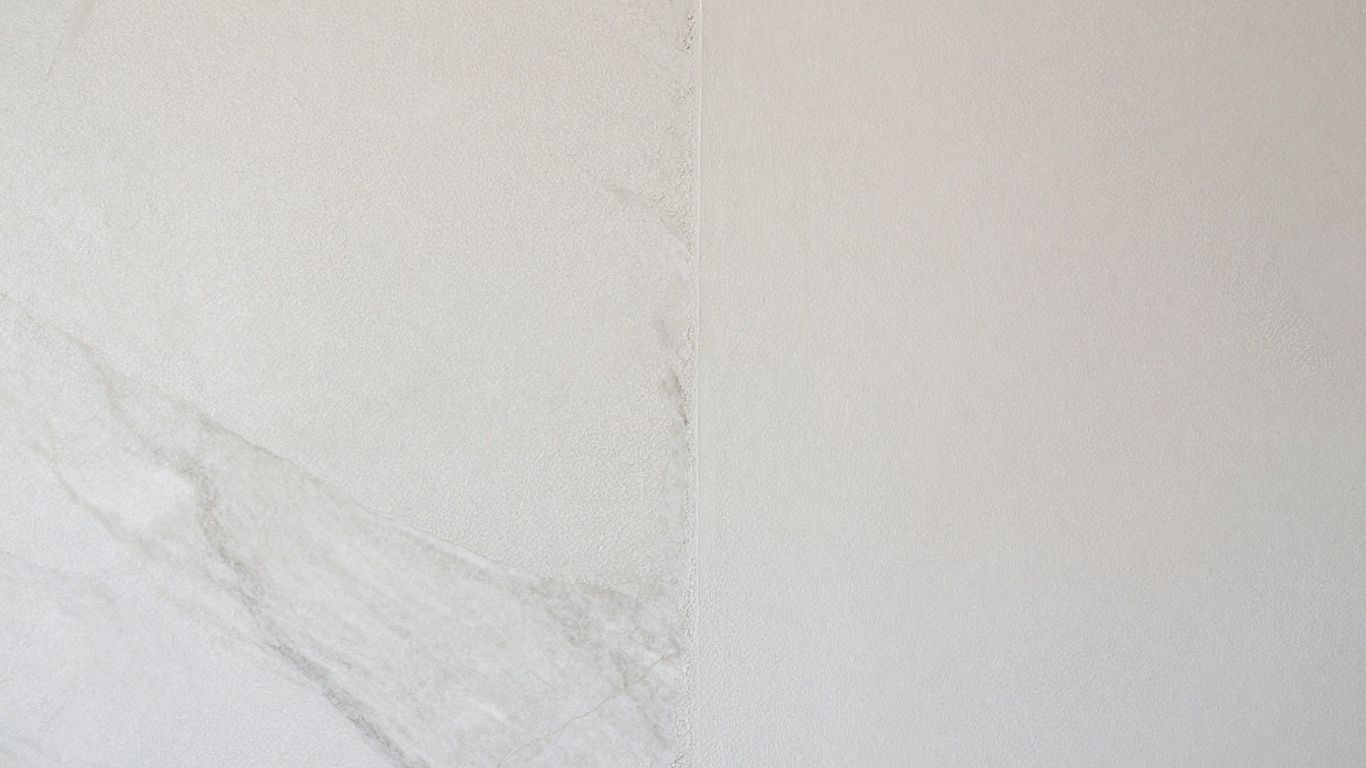
When you’re thinking about wall finishes, it’s easy to get stuck on just color. But with Venetian plaster, you’re opening up a whole new world of texture, depth, and unique looks that regular plaster, or even paint, just can’t touch. It’s not just about covering a wall; it’s about creating a piece of art.
Customization and Finishes
Venetian plaster is incredibly adaptable. You can achieve a range of looks, from a super high-gloss, polished finish that mimics marble to a soft, matte appearance. It can be layered to create subtle variations in tone and texture, giving walls a dynamic, almost living quality. Think about it: you can have a wall that looks like polished stone, or one with a cloudy, ethereal effect. Regular plaster is pretty much smooth or textured, and then you paint it. With Venetian plaster, the finish is the art.
Here’s a quick look at some of the possibilities:
High-Gloss: Reflects light dramatically, like polished marble.
Satin: A softer sheen, still elegant but less intense.
Matte: A subdued, velvety look.
Textured: Can be applied to create various tactile surfaces.
Layered: Multiple coats add depth and subtle color variations.
Faux Finishes: Mimics materials like stone or aged plaster.
The real magic is in the way it interacts with light. Unlike a flat painted surface, Venetian plaster has a natural movement that catches and reflects light in a way that makes the wall seem to have its own subtle glow. This is something you just don’t get with standard finishes. It’s a way to add a sophisticated touch to any room, making it feel more luxurious and custom-designed. You can really make a statement with this unique wall finish.
Suitability for Different Styles
Because of its wide range of finishes, Venetian plaster fits into almost any design aesthetic. For a modern, minimalist home, a smooth, high-gloss finish can add a touch of understated luxury. If you’re going for a more rustic or traditional look, a textured, matte finish might be perfect. It can even work in spaces aiming for an organic modern vibe, offering a natural, stone-like appearance. It’s a versatile material that can adapt to your vision, whether that’s sleek and contemporary or warm and inviting. It’s a step up from ordinary plaster’s matte appearance.
Creating Unique Wall Statements
This is where Venetian plaster truly shines. It’s not just a background; it’s a feature. Imagine a dramatic, polished plaster accent wall in your dining room, or a soft, marble-like finish in your entryway that greets guests with elegance. It can transform a plain fireplace surround into a stunning focal point or add a touch of old-world charm to a bedroom. The ability to create custom colors and effects means your walls can be as unique as you are. It’s a way to add personality and a sense of craftsmanship to your home that paint simply can’t replicate. It’s about making your walls more than just walls – it’s about making them a conversation starter.
Cost and Overall Value Proposition
So, let’s talk about the elephant in the room: money. When you’re looking at Venetian plaster versus regular plaster, the price tags are definitely different. It’s not just about the initial outlay, though. You’ve got to think about what you’re getting for your money over the long haul.
Initial Material Expenses
When you first look at the cost of materials, Venetian plaster is going to be more expensive. Regular plaster, often gypsum-based or cement-based, is pretty standard and widely available. It’s the go-to for basic wall finishing. Venetian plaster, on the other hand, is made from natural ingredients like lime and marble dust. This, plus the artisan quality involved in its creation, bumps up the price. You’re looking at a significant difference right from the start. For example, the average cost for Venetian plaster application can hover around $700, with a typical range of $400 to $1,000, depending on the project’s scale [86f5]. Regular plaster jobs, even with professional help, usually come in much lower.
Long-Term Investment Value
But here’s where things get interesting. While Venetian plaster costs more upfront, it really shines as a long-term investment. Think about it: Venetian plaster hardens into a surface that’s incredibly durable and resistant to scratches and fading. It doesn’t need regular repainting like standard plastered walls often do. This means fewer maintenance costs and less hassle over the years. Plus, a home finished with Venetian plaster often sees an increase in its resale value. Buyers and designers recognize it as a sign of quality and luxury, which can make your property stand out [f2e3]. It’s not just a wall finish; it’s an upgrade that adds perceived value.
Cost vs. Aesthetic Impact
Ultimately, the decision often comes down to what you want your walls to do for your space. Regular plaster is functional; it provides a smooth surface, usually ready for paint. It’s a blank canvas. Venetian plaster, however, is a statement piece. Its depth, subtle movement, and unique sheen can transform a room from ordinary to extraordinary. It offers a richness and sophistication that paint simply can’t replicate. If you’re aiming for a high-end, custom look that truly makes an impact, the higher cost of Venetian plaster is often justified by the unparalleled aesthetic results. It’s about choosing between a basic finish and a work of art for your walls.
Here’s a quick look at how they stack up:
Venetian Plaster: Higher initial cost, exceptional durability, low maintenance, adds significant resale value, creates a luxurious aesthetic.
Regular Plaster: Lower initial cost, requires regular maintenance (painting, patching), standard aesthetic, less impact on resale value.
When you’re weighing the costs, it’s easy to get caught up in the numbers. But remember that the ‘cheaper’ option might end up costing you more in the long run through repairs and upkeep. Investing in a quality finish like Venetian plaster can pay dividends in both enjoyment and financial return.
So, Which Plaster Wins?
Alright, so we’ve talked a lot about what makes Venetian plaster special – its fancy look, how tough it is, and that natural vibe. It’s definitely a step up from regular plaster, which is more about just getting a smooth wall done. If you’re going for that high-end, artistic feel and want something that lasts, Venetian plaster is the way to go. It costs more upfront, sure, but it really makes a statement and can even add value to your home. Regular plaster is fine for basic jobs, but if you want walls that have character and a bit of luxury, you know where to look. Think about what you want your walls to do – just be there, or actually impress?
Frequently Asked Questions
What’s the main difference between Venetian plaster and regular plaster?
Think of regular plaster as a basic wall filler, usually made from gypsum or cement. It’s pretty straightforward and often gets painted. Venetian plaster, on the other hand, is a fancy mix of lime, marble dust, and pigments. It’s applied in layers to create a beautiful, stone-like finish with depth and a subtle shine, almost like marble itself.
Is Venetian plaster more durable than normal plaster?
Yes, Venetian plaster is much tougher! It dries to a rock-hard surface that resists scratches and wear really well. Because it’s made from natural lime, it actually gets stronger over time. Regular plaster can chip and crack more easily, especially if your house settles or there’s moisture.
Does Venetian plaster help with mold or moisture?
Absolutely! Venetian plaster is naturally breathable and doesn’t trap moisture like regular plaster can. Its lime base also has natural properties that fight off mold and mildew, making it a great choice for bathrooms or kitchens.
Is Venetian plaster difficult to install?
It definitely takes more skill than slapping on regular plaster or paint. Venetian plaster is usually applied by experienced professionals using special tools and techniques. This is part of why it looks so unique and luxurious.
Can I get Venetian plaster in different colors and looks?
You bet! Venetian plaster is super versatile. It can be finished to look matte, glossy, or somewhere in between. It can also be tinted in a huge range of colors and even made to look like marble or have cool textures. Regular plaster is pretty much limited to a smooth or textured finish that you then paint.
Is Venetian plaster more expensive than regular plaster?
Generally, yes, Venetian plaster costs more upfront for both the materials and the professional installation. However, many people see it as a worthwhile investment because it lasts much longer, requires less maintenance, and adds significant beauty and value to a home.