
Dealing with plaster that’s loose or sounds hollow when you tap it can be a real pain. It’s not just unsightly; it can be a sign of bigger problems if left unchecked. But don’t worry, you don’t always need to call in the pros. With a bit of patience and the right approach, you can tackle these plaster issues yourself and get your walls and ceilings looking good as new. This guide will walk you through how to fix loose plaster, step by step.
Key Takeaways
Before you start to fix loose plaster, carefully check the walls and ceilings to understand the full extent of the damage.
Prepare the area by removing all the crumbling plaster and cleaning the surface thoroughly to ensure good adhesion.
Secure any exposed lath and reinforce weak spots using mesh or backing boards for added stability.
Apply appropriate adhesives or bonding agents to create a strong base for your plaster repair.
Mix and apply plaster compounds in layers, building up to a smooth finish, then sand, prime, and paint to match the surrounding area.
Assessing the Damage to Fix Loose Plaster
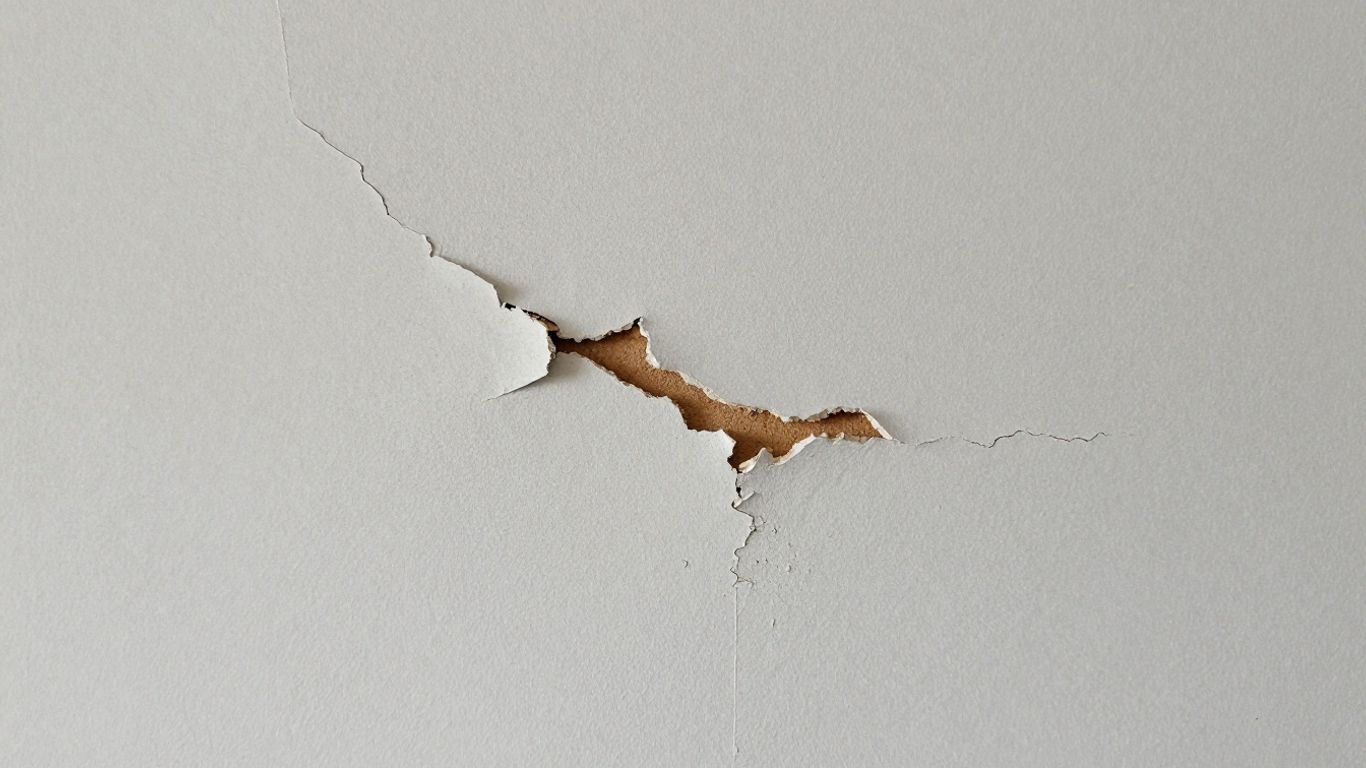
Before you grab any tools, the first step is to really look at what you’re dealing with. Loose or hollow plaster isn’t always a sign of a major problem, but you need to figure out how bad it is before you start patching. This helps you choose the right materials and methods.
Inspect Walls and Ceilings for Issues
Walk around the room, or the whole house if you’re feeling ambitious, and tap on the walls and ceiling. Listen for that hollow sound. It’s kind of like tapping on a watermelon to see if it’s ripe, but for your walls. A solid thud means it’s still well-attached to the lath underneath. A hollow, drum-like sound? That’s your cue that the plaster has pulled away from the backing.
Identify Surfaces Needing Reinforcement
Once you’ve tapped around, mark the areas that sound hollow. You can use a pencil or a piece of painter’s tape. Pay attention to areas around windows, doors, and where different materials meet, as these spots can sometimes be more prone to issues. Also, look for any visible cracks, even small ones, as they can be indicators of underlying movement or stress.
Determine the Extent of Loose or Damaged Material
Now, gently probe the hollow spots. Sometimes, a light push with your finger or a putty knife will reveal just how loose the plaster is. You might find that only a small section is detached, or it could be a larger area. It’s important to remove all the plaster that is no longer firmly attached to the lath. If you try to patch over loose plaster, the new material will just fail later on. You’re looking for a solid edge where the plaster is still well-bonded to the wall or ceiling structure.
Here’s a quick way to categorize the damage:
Sound | Feel | Action Needed |
|---|---|---|
Hollow/Drumy | Moves easily | Remove loose plaster back to solid material. |
Solid Thud | Firmly attached | No immediate action needed, but monitor. |
Cracking | Varies | Assess for underlying cause and repair cracks. |
Don’t be tempted to skip this assessment. Rushing into repairs without understanding the full scope of the problem can lead to more work and frustration down the line. It’s better to take your time now and get it right.
Preparing the Area for Plaster Repair
Inspect Walls and Ceilings for Issues
Before you even think about patching, you gotta take a good, hard look at what you’re dealing with. Grab a flashlight and really inspect those walls and ceilings. Look for any signs of trouble, like cracks, crumbling bits, or areas that sound hollow when you tap them. Sometimes, a small crack is just a crack, but other times it’s a sign that the plaster is starting to pull away from the lath underneath. That’s the stuff you really need to worry about.
Identify Surfaces Needing Reinforcement
Once you’ve done your initial inspection, it’s time to pinpoint exactly where the plaster needs some extra help. You’re looking for those spots that feel loose or sound hollow. If you tap on a solid part of the wall, it’ll sound dense. But when you tap on a loose section, it’ll have a dull, hollow echo. Mark these areas; they’re your priority for reinforcement. Don’t just focus on the visible damage; sometimes the problem goes a bit deeper than you can see at first glance.
Determine the Extent of Loose or Damaged Material
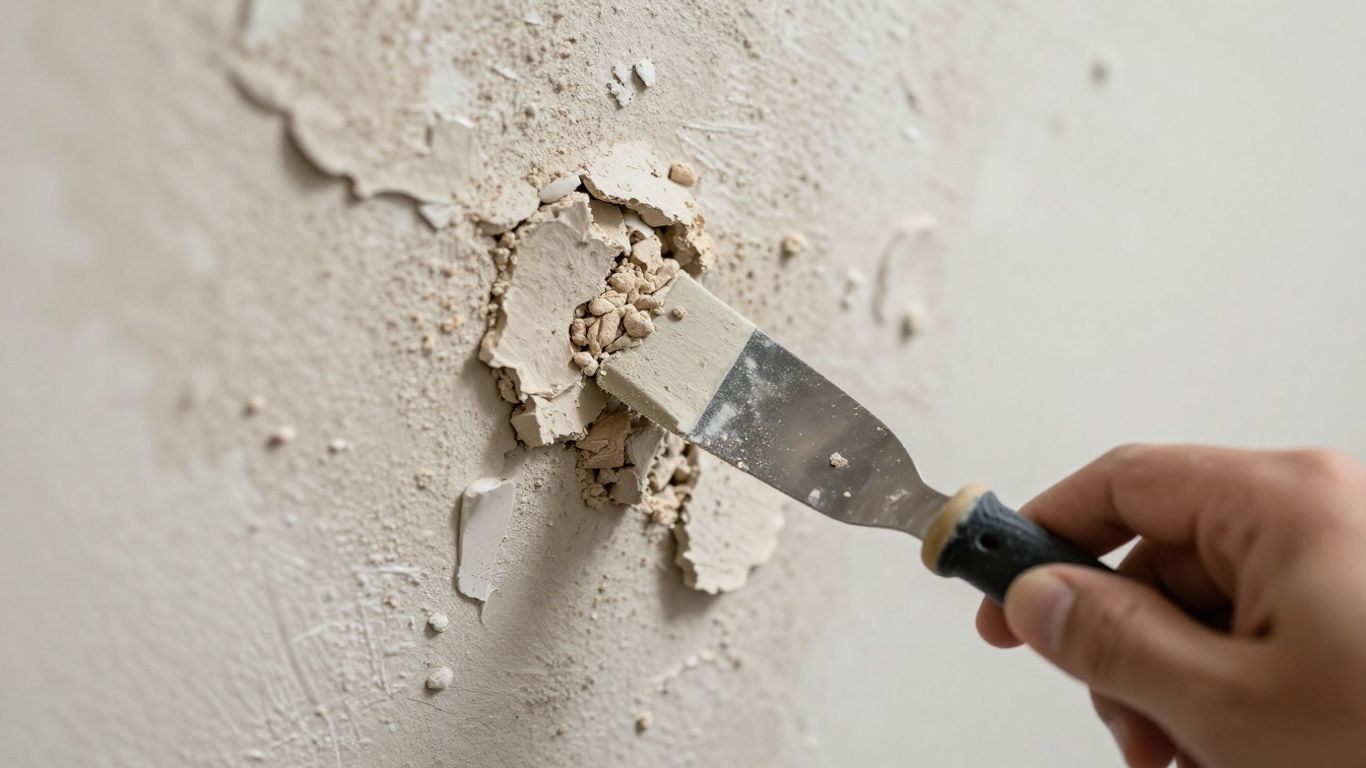
Now, you need to figure out just how bad the damage is. This means carefully removing any plaster that’s already loose or crumbly. Use a putty knife or a scraper for this. Be thorough, but also be gentle – you don’t want to knock out good plaster while you’re trying to get rid of the bad. Keep going until you hit solid plaster or the lath underneath. This step is super important because you can’t patch over loose material; it just won’t hold. You’re essentially creating a clean, stable edge to work with for your repair.
Securing Lath and Reinforcing Weak Spots
Secure Exposed Lath with Nails
After you’ve cleared out the loose plaster, you’ll likely see the wooden lath strips underneath. These are the foundation for your plaster, so they need to be solid. If any of the lath is loose or wobbly, it’s time to secure it. Grab some small ring-shank nails – these have a bit of grip to them – and carefully nail the lath back into place. You want to make sure it’s snug against the wall or ceiling structure. Don’t go too crazy with the nails, just enough to make it firm. This step is pretty straightforward but really important for a lasting repair.
Reinforce Hollow Spots with Mesh or Backing Boards
Sometimes, the plaster isn’t just loose; it’s completely hollowed out, leaving a big gap. For these larger areas, you might need a bit more support than just the lath. One trick is to cut a piece of drywall slightly smaller than the hole and attach it to the exposed lath. Pre-drilling screw holes in the lath is a good idea to prevent splitting. Leave a small gap, maybe an inch or two, between the existing plaster and your new drywall patch. This gives the new plaster something to grip onto. Another option is using a reinforcing mesh, like fiberglass mesh tape, which can be embedded in the plaster compound to add strength across the weakened area. This mesh helps bridge the gap and prevents future cracking.
Use Plaster Washers and Screws for Support
For areas where the plaster is still mostly intact but feels weak or is starting to sag, plaster washers are your best friend. These are small, metal discs with a hole in the center. You drill a pilot hole through the plaster and into the lath, then drive a screw through the washer and into the lath. The washer distributes the pressure and pulls the plaster back tightly against the lath. You’ll want to place these every few inches around the weak spot. It might seem a bit overkill, but these washers really help to re-establish a solid bond between the plaster and its backing. It’s a simple technique that makes a big difference in preventing further damage. You can find these specialized washers at most hardware stores, often sold alongside drywall screws and other repair supplies. They are a small investment for a much more stable wall. For more information on securing lath, check out repairing lath and plaster.
Here’s a quick rundown of when to use each method:
Loose Lath: Use ring-shank nails to re-secure the lath directly.
Hollow Spots/Large Gaps: Use drywall patches or reinforcing mesh for structural support.
Weak/Sagging Plaster: Employ plaster washers and screws to pull the plaster back to the lath.
Remember, the goal here is to create a stable base. If the underlying structure isn’t sound, no amount of plaster patching will hold for long. Take your time and make sure each piece of lath and every weak spot is properly reinforced before moving on to the next stage of repair.
Applying Adhesives and Bonding Agents
Apply a PVA Glue and Water Mixture
Before you get too deep into the repair, it’s a good idea to prep the area with a simple PVA glue and water mix. Think of it like a primer for your plaster. You’ll want to mix about half PVA glue (like Elmer’s school glue) with half water. A good way to get this mixture into the small holes you drilled earlier is by using a plastic syringe or a spray bottle. Squeeze or spray it into all those little holes you made around the damaged spots. If you have really tiny cracks, you might be able to skip this, but for anything bigger, it helps. The idea here is that this watery glue mix will help congeal any dust or loose bits floating around behind the plaster. This gives your main adhesive something solid to grab onto, making for a much stronger bond. Just be aware, this can get a little messy, especially if you’re working on a ceiling. The mixture might drip out, so keep some damp rags handy. Let this glue mixture dry for a couple of hours before moving on.
Use Construction Adhesive for Strong Bonds
Now it’s time for the heavy lifting, or in this case, the sticky stuff. Grab a good construction adhesive. Loctite Power Grab is a popular choice because it works well for a lot of different jobs, including plaster. You’ll want to squeeze a good amount of this adhesive into every hole you drilled, unless you marked it with an ‘X’ earlier (that means it was a spot where the lath might be too far away). Also, apply the adhesive generously around the edges of any areas where plaster is completely missing. This adhesive is what’s really going to hold things together. After you’ve applied the adhesive, you’ll use those plaster washers and screws to pull the loose plaster back towards the lath. Tighten them gently, just enough to snug everything up. You don’t want to overtighten and crack the plaster further.
Apply a Bonding Agent to Improve Adhesion
Sometimes, especially with older plaster or if you’re dealing with a particularly stubborn patch, you might want to add an extra layer of adhesion. This is where a dedicated bonding agent comes in. These are specifically designed to create a strong link between the old plaster and the new repair material. You can find them at most hardware stores. Follow the product’s instructions carefully, as application methods can vary. Some are brushed on, while others might be sprayed. Applying a bonding agent is like giving your repair a little insurance policy, making sure everything sticks together for the long haul. It’s an extra step, but for critical repairs, it can make a big difference in the durability of your fix.
Don’t skip the prep work! While it might seem like an extra hassle, properly preparing the surface with PVA glue and ensuring a good bond with construction adhesive is what makes the repair last. Rushing this stage is a common mistake that leads to future problems.
Mixing and Applying Plaster Repair Compounds
Mix Plaster of Paris or Repair Compound
Alright, so you’ve prepped the area, cleaned it up, and maybe even added some reinforcement. Now comes the fun part: mixing up your repair material. You’ve got a couple of main options here. You can go with a traditional Plaster of Paris, or you can use a pre-mixed repair compound. If you’re using Plaster of Paris, remember it dries really fast. Seriously, mix up just a small amount at first until you get a feel for how quickly it sets. It’s usually a simple mix of powder and water to get a thick paste. On the other hand, commercial repair compounds often come ready to go or just need a bit of water added, and they tend to be more forgiving with drying times and less prone to shrinking.
Apply a Thin Scratch Coat
Before you start filling in the big gaps, it’s a good idea to apply a thin layer, often called a scratch coat. This first layer is all about getting something to stick to the lath and the edges of the existing plaster. You’ll want to press this material through any exposed lath, almost like you’re giving it a good scrub. Some folks like to score this layer lightly with a putty knife or a similar tool. This scoring gives the next layer something extra to grip onto. This initial coat is key for a strong, lasting repair.
Build Up Layers for Smoothness
Once that scratch coat has had a chance to dry a bit (it doesn’t need to be fully cured), you’ll start building up the layers. The goal here is to gradually fill the area until it’s level with the surrounding plaster. Each layer should be applied with smooth, confident strokes. Try to minimize your putty knife marks as you go – less sanding later is always better. If you’re working with textured plaster, you might be able to use the same repair compound for your final coat, as some have a built-in texture. For smooth walls, you’ll likely use a finishing compound or Plaster of Paris for that last layer to get it perfectly even. Remember, joint compound shrinks as it dries, so you might need a few applications to get it just right. Patience is your friend here!
Finishing Touches for a Seamless Repair
Feather Edge Plaster and Drywall
Once your plaster repair compound has fully dried, it’s time to make it blend in. You’ll want to feather the edges of your new plaster out onto the existing wall or ceiling. This means gradually thinning the plaster as you move away from the repaired area, creating a smooth transition. If you used drywall as a backing, you’ll do the same with the joint compound over the tape and drywall edges. A wide putty knife or a drywall knife works well for this. The goal is to make the repaired section almost disappear into the surrounding surface.
Sand the Repaired Area Smooth
After feathering, you’ll likely have some slight imperfections or ridges. This is where sanding comes in. Use a medium-grit sandpaper (around 100-120 grit) to start, and then move to a finer grit (150-220 grit) for a really smooth finish. Don’t go crazy here; you’re just trying to knock down any high spots and smooth out the transition. A sanding block can help keep things even, especially on flat surfaces. For ceilings, be prepared for dust – a mask and safety glasses are a good idea, and covering furniture is a must.
Texture to Blend with Surrounding Plaster
Most plaster walls and ceilings aren’t perfectly smooth; they have a texture. If your repair is noticeable because it’s too smooth, you’ll need to add some texture. You can buy spray-on texture products that mimic common plaster finishes, or you can try to replicate it by dabbing on a bit of joint compound with a sponge or brush. Practice on a piece of cardboard first to get the hang of it. Matching the existing texture is key to a truly invisible repair.
Prime and Paint the Repaired Section
Finally, once everything is smooth, textured, and clean, it’s time for primer and paint. Apply a good quality primer over the entire repaired area. This seals the plaster and joint compound and gives you a uniform surface for your paint. After the primer dries, you can paint the repaired section. For the best match, it’s often recommended to paint the entire wall or ceiling, from corner to corner, to avoid any slight color variations that can happen when you only paint a small spot.
You’ve Got This!
So, you’ve tackled that loose or hollow plaster. It might have seemed like a big job at first, but by following these steps, you’ve made your walls and ceilings solid again. Remember, taking the time to prep right and use the proper materials makes all the difference. Now you can step back, admire your work, and enjoy a smoother, more stable surface. Nice job!
Frequently Asked Questions
What’s the first step to fixing loose plaster?
Before you do anything, you need to check out the damage. Look closely at your walls and ceilings to see where the plaster is loose or damaged. Figure out how big the problem area is and if there are any other issues, like cracks or water stains, that need attention first.
Do I need to remove all the old plaster?
Yes, it’s really important to get rid of all the loose, crumbling, or damaged plaster. If you don’t, the new plaster won’t stick well and the problem could come back. After removing the bad plaster, make sure the area is clean and free of dust.
What if the lath underneath the plaster is damaged?
If you can see the wooden strips (lath) underneath and they’re loose, you’ll need to secure them. You can do this by nailing them back in place. For deeper holes, you might need to add a piece of drywall or use special mesh or backing boards to give the new plaster something solid to stick to.
Can I use regular glue for plaster repair?
While a mix of PVA glue (like school glue) and water can help make the surface ready for repair by sticking dust together, it’s not strong enough on its own. You’ll also need a stronger adhesive, like construction adhesive, to really hold the plaster in place.
How do I mix and apply the plaster repair stuff?
You can use Plaster of Paris or a special repair compound. Mix it according to the package directions to make a thick paste. Apply a thin first layer, let it dry a bit, and then build up more layers until the area is smooth and even with the rest of the wall.
How do I make the repair look like the rest of the wall?
Once the plaster repair is dry, you’ll need to sand it down until it’s smooth. If your wall has a texture, you’ll need to add a similar texture to the repaired spot. Finally, put on a coat of primer and then paint the whole area so it blends in perfectly.