
Thinking about plastering your bathroom or kitchen in the UK? It’s a common question, and honestly, it’s not as simple as just slapping any old plaster on the walls. Bathrooms and kitchens are different beasts because of all the moisture. You can’t just use any old plaster; it needs to be the right kind to avoid problems down the line. This guide will help you figure out what works best for these wet areas, so you don’t end up with a soggy mess.
Key Takeaways
Traditional gypsum plaster isn’t ideal for bathrooms or kitchens due to moisture sensitivity. Look for specialized alternatives.
Moisture-resistant cement plaster and polymer-modified plasters are good options for wet areas like bathrooms and kitchens.
Waterproof plaster offers protection against water damage, mould, and mildew, leading to a healthier environment and longer-lasting surfaces.
Generally, plastering a bathroom can be more cost-effective than tiling, offering a smooth, high-quality finish at a lower price point.
For shower areas and wet rooms, specialized 100% waterproof plaster coatings or techniques like Tadelakt are recommended for complete water resistance.
Understanding Plaster Suitability for Bathrooms and Kitchens
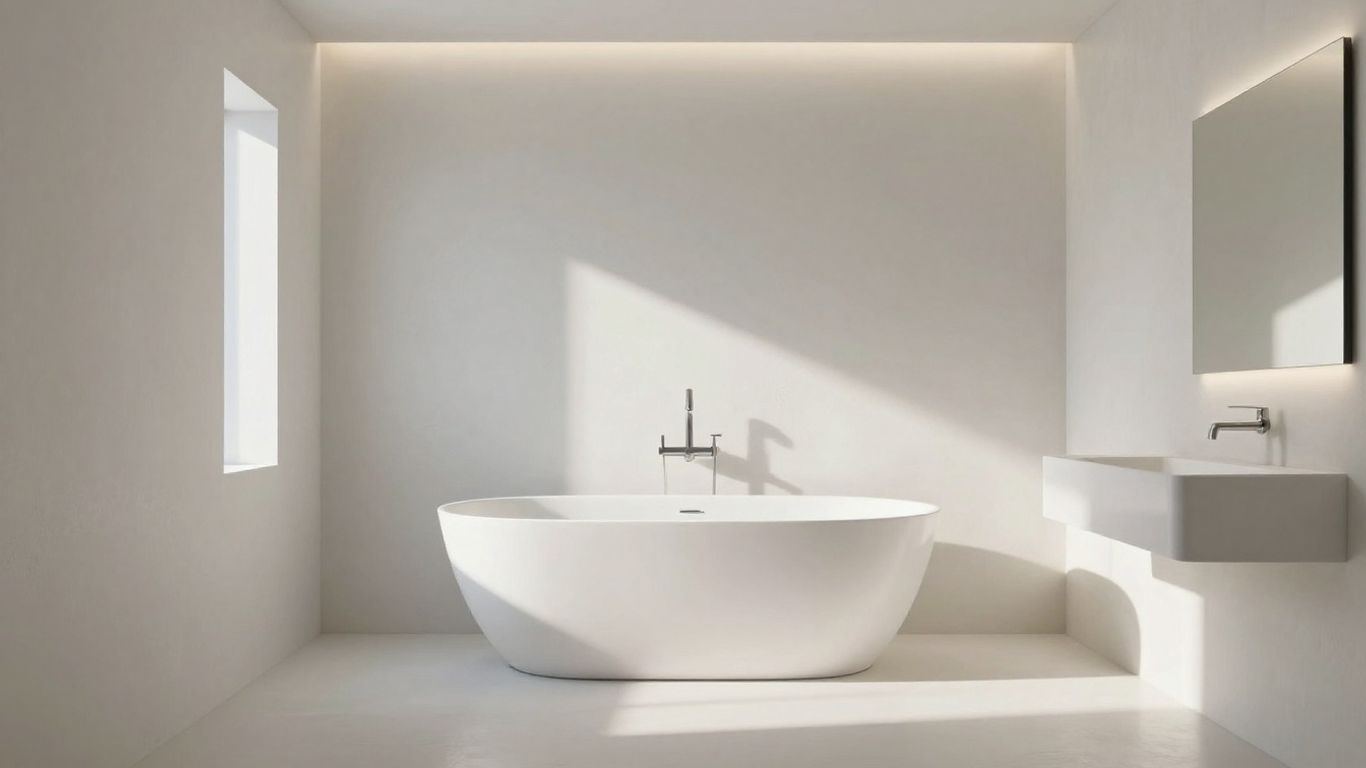
So, you’re thinking about plastering your bathroom or kitchen? It’s a question many homeowners grapple with, especially when you see those sleek, seamless finishes in magazines. Can plaster really hold up in a place where water is practically a daily visitor? The short answer is yes, but it’s not as simple as slapping on any old plaster. You’ve got to pick the right stuff.
Can Plaster Be Used in Bathrooms?
Absolutely, plaster can be used in bathrooms, but here’s the catch: you need a specific type. Traditional gypsum plaster, the kind you might find on your living room walls, isn’t built for constant moisture. It can get damaged, leading to mould and a general breakdown over time. We’re talking about modern, specially formulated plasters that are designed to handle high humidity and splashes. These aren’t your grandma’s plasters; they’re engineered to resist moisture and keep your walls looking good for longer.
Assessing Plaster for Shower Areas
Now, the shower area is a whole different ballgame. This is where water hits directly and frequently. While some moisture-resistant plasters can handle general bathroom humidity, a shower enclosure needs something more robust. Think of it as the difference between a light drizzle and a downpour. For these ‘wet zones,’ you’ll want to look at plasters that are specifically labelled as waterproof or suitable for wet rooms. These often contain polymers that create a barrier against water penetration. It’s about creating a surface that doesn’t just tolerate moisture but actively repels it.
Key Benefits of Waterproof Plaster
Why go through the trouble of finding a special plaster? Well, the benefits are pretty significant, especially for kitchens and bathrooms.
Moisture Resistance: This is the big one. It stops water from soaking into your walls, which is the primary cause of damage and mould.
Durability: These specialized plasters are often tougher and more resistant to wear and tear, which is handy in busy areas like kitchens.
Aesthetics: They provide a smooth, clean finish that’s easy to wipe down. No grout lines to scrub here!
Longevity: By preventing water damage and mould, you’re extending the life of your walls, saving you money on repairs down the line.
When choosing plaster for these areas, always check the manufacturer’s specifications. Not all plasters are created equal, and what works in a bedroom won’t cut it in a shower.
It’s a bit like choosing the right paint for an exterior wall versus an interior one – you need something that can handle the elements. For bathrooms and kitchens, those ‘elements’ are steam, splashes, and condensation.
Exploring Different Plaster Types for Wet Environments
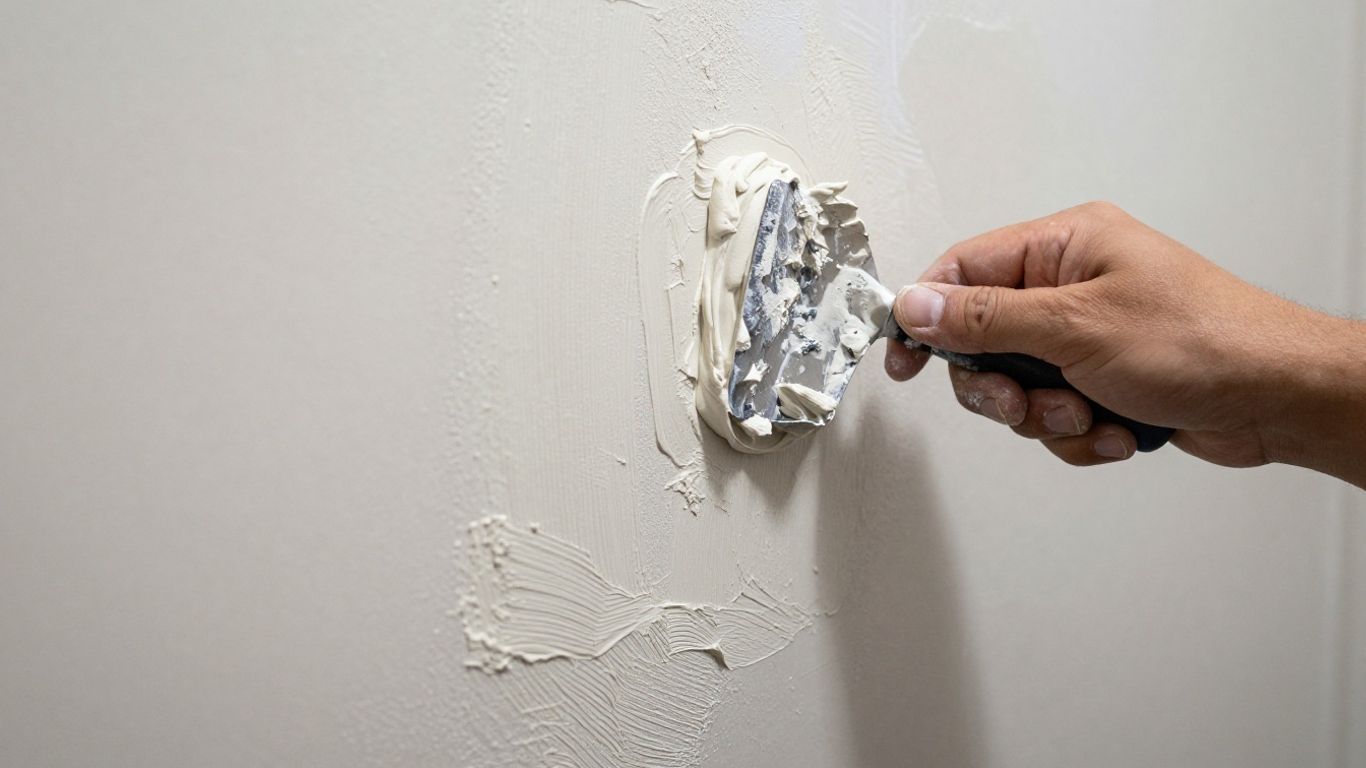
When you’re dealing with areas that get a bit steamy or splashy, like bathrooms and kitchens, you can’t just slap on any old plaster. Standard gypsum plaster, the kind you see in most living rooms, isn’t built for constant moisture. It can get soft, crumble, and even encourage mould growth. So, what are the alternatives? Luckily, there are a few types of plaster that are much better suited for these challenging spots.
Moisture-Resistant Cement Plaster
This is a workhorse for damp areas. Cement plaster is a mix of cement, sand, and water. It’s tough and doesn’t mind getting wet, which is why it’s often used on exterior walls too. In kitchens and bathrooms, it provides a solid, water-resistant base. It’s not always the prettiest on its own, though. Often, it’s applied as a base coat and then covered with a smoother finishing plaster or tiles.
Durability: High
Water Resistance: Good
Drying Time: Slow
Application: Can be tricky, often needs a skilled hand.
Specialised Waterproof and Polymer-Modified Plasters
These are the high-tech options for wet environments. Polymer-modified plasters have synthetic additives mixed in. These additives make the plaster more flexible, help it stick better, and significantly boost its resistance to water and mould. They’re a great choice for areas that get direct splashes, like around shower enclosures or kitchen sinks, and are also used in places like swimming pools and basements. They offer a really robust defence against moisture.
These advanced plasters are designed to create a barrier against water ingress, preventing damage to the underlying structure and reducing the risk of mould and mildew. They are particularly useful in modern construction where performance in wet areas is paramount.
Traditional Lime Plaster in Damp Areas
Believe it or not, traditional lime plaster can also be a good option, especially in older buildings. Unlike cement, lime plaster is breathable. This means it allows moisture vapour to pass through it, rather than trapping it. For solid walls, particularly those made of stone or brick, this breathability helps manage moisture levels naturally, reducing the risk of damp issues. It’s more flexible than cement plaster and can even self-heal small cracks over time. However, it does take longer to cure and might need a bit more maintenance compared to modern alternatives.
Choosing the Right Plaster for Your UK Project
So, you’re looking at plastering your bathroom or kitchen here in the UK, and you’re wondering what’s the best way to go about it? It’s not as simple as just slapping any old plaster on the wall, you know. Different rooms have different needs, especially when it comes to moisture. Picking the right stuff is key to making sure it lasts and doesn’t end up looking like a soggy mess.
Plastering Bathroom UK: Key Considerations
When you’re thinking about plastering a bathroom in the UK, there are a few things you really need to keep in mind. Bathrooms are, well, wet. Showers, baths, sinks – they all put moisture into the air. So, the plaster needs to be able to handle that without falling apart or encouraging mould. You’ll want something that’s either naturally resistant to water or has been treated to be. Traditional gypsum plaster, the kind you might use in a living room, just isn’t going to cut it here. It’ll soak up water like a sponge and start to degrade.
Here’s a quick rundown of what to think about:
Moisture Levels: How steamy does your bathroom get? Are you planning a power shower or a relaxing soak?
Ventilation: Does your bathroom have good airflow, or is it a bit of a damp box?
Substrate: What are your walls made of underneath? Plasterboard, brick, or something else?
Finish: Do you want a smooth surface for paint, or are you thinking of something more decorative?
Comparing Plastering vs. Tiling Costs
Okay, let’s talk money. Plastering can sometimes be a more budget-friendly option than tiling, especially if you’re going for a simple, painted finish. Tiling involves the cost of the tiles themselves, adhesive, grout, and often more labour to get it all laid out perfectly. Plastering, on the other hand, can be quicker to apply, and the material cost might be lower.
However, it’s not always a straightforward comparison. If you need a highly specialised waterproof plaster for a wet room, that can get pricey. And if you’re comparing a basic plaster finish to high-end designer tiles, well, the plaster might look like the cheaper option now, but the long-term durability and aesthetic appeal of tiles could win out.
Feature | Plastering (Basic) | Tiling (Standard) | Waterproof Plaster |
|---|---|---|---|
Material Cost | Lower | Moderate to High | Moderate to High |
Labour Cost | Moderate | Moderate to High | Moderate to High |
Installation Time | Faster | Slower | Moderate |
Durability | Moderate | High | High |
Water Resistance | Low (standard) | High | Very High |
Selecting Plaster for Durability and Aesthetics
When you’re picking your plaster, you’ve got to balance how long you want it to last with how you want it to look. For areas that get a lot of use or potential knocks, like around a sink in a kitchen, you’ll want something tough. Cement-based plasters or polymer-modified ones are good for this. They offer a really solid finish that can stand up to daily life.
For bathrooms and kitchens, the primary concern is moisture management. Choosing a plaster that can withstand humidity and prevent mould growth is paramount for both the longevity of the finish and the health of the building. Don’t skimp on this aspect; it’s the foundation for a lasting, attractive surface.
If you’re after a certain look, like a smooth, modern feel, you’ll want a plaster that can be sanded down to a fine finish, ready for paint. If you’re going for something more rustic or natural, lime plaster can offer a beautiful, soft texture. Ultimately, the best plaster for your UK project will be one that meets the specific demands of the room while also fitting your design vision.
Practical Aspects of Bathroom and Kitchen Plastering
So, you’re thinking about plastering your bathroom or kitchen? It’s definitely doable, but there are a few things to keep in mind to make sure it lasts and looks good. It’s not quite the same as plastering a living room, you know?
Achieving a Smooth Finish with Plaster
Getting that super smooth look everyone wants takes a bit of skill and the right approach. It’s all about the prep work and the application. You can’t just slap it on and expect perfection. Think of it like painting – a good base makes all the difference.
Surface Prep: Make sure the walls are totally clean, dry, and free from any dust or old gunk. If you’re plastering over old tiles or a really uneven surface, you might need to do some extra work first, like applying a bonding agent or even some mesh tape over cracks.
Tool Time: Having the right tools is a big deal. You’ll want good quality trowels, floats, and maybe even a hawk if you’re doing a larger area. Clean tools mean a cleaner finish.
Layering is Key: Most plaster jobs involve a few coats. You’ve got your base coat, which fills in imperfections and gives something for the next layer to stick to, and then your finishing coat for that smooth surface. Rushing this part is a recipe for disaster.
Don’t forget to let each layer dry properly before you start on the next one. Trying to rush it will just lead to cracks and a messy job.
Maintenance and Longevity of Plastered Surfaces
Once your plaster is up and looking great, how do you keep it that way, especially in a steamy bathroom or a busy kitchen? Well, it depends on the type of plaster you used, but generally, a little care goes a long way.
Ventilation is Your Friend: This is probably the most important thing for bathrooms. Good airflow helps to dry out moisture quickly, which stops mould and mildew from even thinking about setting up shop. Open windows, use extractor fans – whatever it takes.
Gentle Cleaning: Avoid harsh scrubbing or abrasive cleaners. A soft cloth with some mild soap and water is usually enough for everyday cleaning. For tougher spots, check what the plaster manufacturer recommends.
Watch for Cracks: Small hairline cracks can sometimes appear, especially with temperature changes. If you notice any, it’s best to get them filled sooner rather than later to prevent water from getting in.
Professional Application for Optimal Results
Look, I’m all for DIY, but sometimes, you just need to call in the pros. Plastering, especially in areas like bathrooms and kitchens where moisture is a big factor, can be tricky. A skilled plasterer knows the ins and outs of different plaster types and how to apply them correctly for the best results.
Here’s why hiring someone experienced makes sense:
They Know the Materials: They’ll guide you on which plaster is best for your specific needs – whether it’s a super waterproof one for a shower area or a more breathable lime plaster for a period home.
Skill and Speed: They can apply the plaster evenly and efficiently, saving you time and a lot of potential headaches. Their experience means they can spot and fix issues you might miss.
Guaranteed Finish: Many professional plasterers stand by their work. Getting a professional finish not only looks better but can also add value to your home. It’s often worth the investment to avoid costly mistakes down the line.
Advanced Plastering Techniques and Finishes
Beyond the standard skim coat, there’s a whole world of advanced plastering techniques that can really transform a space. These aren’t your everyday wall finishes; they’re more like art forms for your surfaces, adding texture, depth, and a touch of luxury. Think beyond just a smooth, paintable wall. We’re talking about plasters that mimic natural stone, create water-tight surfaces, or even absorb sound.
Decorative Plasters for Feature Walls
Decorative plasters offer a fantastic way to create a focal point in any room. They come in various forms, from textured finishes that add a rustic feel to smooth, polished looks that bring a modern elegance. These plasters are applied in multiple layers, often with different tools and techniques, to build up visual interest. You can achieve effects that look like aged stone, subtle ripples, or even a soft, velvety texture. It’s a great alternative to wallpaper or paint if you’re looking for something a bit more unique. Many decorative plasters are also quite durable, making them suitable for high-traffic areas if applied correctly.
Tadelakt for Seamless Wet Rooms
When you think about bathrooms, especially those ultra-modern wet room designs, Tadelakt is the material that often comes to mind. It’s a traditional Moroccan plaster made from lime, which is then polished and treated with soap to make it completely waterproof. This means you can have a shower enclosure or even entire bathroom walls that are completely seamless – no grout lines, no tiles, just smooth, continuous surfaces. It’s naturally resistant to mold and mildew too, which is a big plus in damp environments. Getting Tadelakt right takes a skilled hand, as the application and finishing process are quite specific, but the result is stunning and incredibly practical for areas that get a lot of water. It’s a great option for a truly spa-like feel.
Venetian Plaster for Luxury Interiors
Venetian plaster is all about creating a high-end, sophisticated look. It’s a lime-based plaster mixed with marble dust, and when applied in thin layers and then burnished, it achieves a beautiful, marble-like sheen. It can look incredibly authentic, mimicking the look of polished stone without the weight or cost of actual marble. This finish is perfect for creating a luxurious feel in living rooms, bedrooms, or even hallways. It’s often used on feature walls or even entire rooms to give a sense of opulence. While it looks expensive, it’s surprisingly durable and can be maintained with a bit of care. For those seeking a truly premium finish, Venetian plaster is definitely worth considering for your London plastering project.
Here’s a quick look at what makes these advanced finishes stand out:
Unique Aesthetics: Offers visual appeal far beyond standard paint or tile.
Durability: Many advanced plasters are designed for longevity and resistance to wear.
Functionality: Some, like Tadelakt, offer specific benefits like waterproofing.
Customization: A wide range of colours, textures, and effects are possible.
When considering these advanced finishes, remember that the application is key. The skill of the plasterer directly impacts the final look and performance of the material. It’s often worth investing in a specialist for these types of jobs to get the best possible outcome.
So, Can You Plaster Bathrooms and Kitchens?
Alright, so after all that talk, can you actually use plaster in your bathroom or kitchen? The short answer is yes, but you’ve got to be smart about it. Forget your standard gypsum plaster for those splash-prone areas; it just won’t hold up. Instead, you’ll want to look into special waterproof or polymer-modified plasters. These are built to handle the moisture and humidity that come with kitchens and bathrooms, helping to keep mould and dampness at bay. While it might sound a bit complicated, choosing the right plaster means you can get that smooth, seamless look without the worry. It can even be a more budget-friendly option than tiling, and honestly, it just looks really clean. Just make sure you’re picking a product designed for wet areas, and you should be good to go.
Frequently Asked Questions
Can I use regular plaster in my bathroom?
You can use plaster in bathrooms, but it’s super important to pick the right kind. Regular plaster can get damaged by too much moisture. For bathrooms, you need a special kind that can handle humidity and water splashes. Think of it like using waterproof paint in a wet area – it just works better and lasts longer.
Is plaster okay for shower areas?
Yes, plaster can be used in shower areas, but only if it’s a special waterproof type. This kind of plaster is made to handle constant water. It’s a great way to create a seamless, modern look in a wet room. Make sure to choose a plaster that’s specifically designed for these wet zones.
What makes waterproof plaster so good for bathrooms?
Waterproof plaster is awesome for bathrooms because it stops water from getting in and causing damage. This means no mold or mildew, which keeps your bathroom healthier and cleaner. Plus, it makes cleaning easier and can help your walls last much longer, saving you money on repairs down the road.
Is plastering a bathroom cheaper than tiling?
Generally, plastering a bathroom can be more affordable than tiling. While tiles look nice, they can cost more for the materials and the labor to put them up. Plaster gives a smooth finish and, with the right waterproof types, you can get a great look without spending as much. It often takes less time to apply too.
What’s the difference between plastering and skimming?
Plastering is like building the wall’s surface from scratch, usually with a few layers. Skimming, on the other hand, is adding a very thin, smooth layer of plaster over an already plastered wall. It’s like giving an old wall a fresh, smooth face-lift, perfect for painting or wallpapering.
Are there different types of plaster for different rooms?
Absolutely! You wouldn’t use the same plaster for a dry living room as you would for a steamy bathroom. For bathrooms and kitchens, you need moisture-resistant or waterproof plaster. For other areas, you might use regular gypsum plaster. Some plasters are even made for specific looks, like Venetian plaster for a fancy finish.