
Seeing bubbles appear on your plaster can be a real head-scratcher, especially here in Bristol where our homes have seen a lot of history. It’s not just about how it looks, either; this plaster bubbling often points to bigger issues lurking behind your walls. We’re talking about damp, and if left unchecked, it can cause all sorts of trouble, from structural damage to health problems. So, if you’re noticing these tell-tale signs, it’s time to figure out what’s going on and how to fix it. Understanding the plaster bubbling causes in Bristol homes is the first step to getting your property back in good shape.
Key Takeaways
Plaster bubbling is usually a sign of moisture problems, like rising or penetrating damp, or condensation.
Common causes in Bristol properties include compromised damp proof courses (DPCs) due to debris, render overlap, or high external ground levels.
Identifying early signs like tide marks, salt deposits, and deteriorating plaster is important for timely intervention.
Effective solutions involve professional damp surveys, appropriate damp proofing treatments (like injection creams), and improving ventilation.
Choosing experienced, accredited, and reputable local damp proofing professionals in Bristol is vital for lasting repairs and avoiding costly mistakes.
Understanding Plaster Bubbling In Bristol Properties
So, you’ve noticed some weird bumps or blisters on your plaster walls here in Bristol? It’s a common sight, especially in older homes, and it’s usually a sign that something’s not quite right behind the scenes. Think of your plaster like a skin for your walls; when it starts to bubble, it’s often reacting to an underlying issue, and moisture is usually the main culprit. It’s not just about looks, either. This bubbling can be an early warning that your plaster is starting to break down, which can lead to bigger problems down the line if left unchecked.
The Role Of Moisture In Plaster Degradation
Moisture is plaster’s arch-nemesis. When plaster gets wet, the gypsum within it can break down. This weakens the plaster’s structure, making it less able to hold its form. Over time, this can lead to the plaster detaching from the wall, creating those tell-tale bubbles. It’s a slow process, but persistent dampness will eventually win. The key is to identify the source of the moisture before it causes irreversible damage.
Identifying The Early Signs Of Plaster Failure
Bubbling isn’t always the first thing you’ll see. Keep an eye out for other subtle clues. You might notice discolouration, like dark patches or tide marks, especially near the floor or around windows. A musty smell, even when the room seems dry, is another big indicator. Sometimes, paint might start to flake or peel away from the wall, or you might see powdery deposits, known as efflorescence, on the surface. If you’re thinking about redecorating, remember that papering damp plaster is a recipe for disaster, leading to paste failure and more bubbling.
Common Triggers For Plaster Bubbling
What causes this moisture in the first place? It can be a few things, and in Bristol’s varied property landscape, you’ll find common themes. Rising damp, where groundwater travels up through the brickwork, is a big one for older buildings. Penetrating damp, which is water seaking through walls from the outside (think leaky gutters or cracked render), is another frequent offender. And then there’s condensation, especially in poorly ventilated areas like bathrooms or kitchens, which can lead to moisture build-up on walls and ceilings. Sometimes, it’s a combination of these factors, making diagnosis a bit tricky. It’s why getting a professional damp survey in Bristol is often the best first step.
Investigating The Root Causes Of Plaster Bubbling
So, why exactly does plaster start to bubble and peel away? It’s usually a sign that something’s not quite right behind the scenes, and moisture is almost always the main culprit. Think of your plaster as the skin of your house; when it gets wet from the inside out, it starts to break down.
The Impact Of Rising Damp On Plaster
Rising damp is a common issue, especially in older Bristol properties. It happens when groundwater is drawn up through the brickwork and mortar by capillary action. This usually occurs because the property’s damp proof course (DPC) has either failed, is absent, or has been bridged. When this happens, water can travel up the wall, often leaving a visible ‘tide mark’ on the interior. As the water evaporates, it leaves behind salts – these can be visible as white, fluffy deposits or crusty patches. These salts are particularly nasty because they are hygroscopic, meaning they attract and hold moisture from the air, which can then cause paint and plaster to bubble and debond.
Penetrating Damp And Its Effect On Walls
Unlike rising damp, which comes from the ground, penetrating damp is water seeping through the building fabric from the outside. This could be due to damaged gutters, cracked render, or poorly maintained brickwork. Rainwater finds its way in, saturating the wall and, eventually, the plaster. You might notice damp patches that appear after heavy rain, and they can spread across the wall surface. This constant saturation weakens the plaster’s bond with the wall, leading to those tell-tale bubbles.
Condensation As A Culprit For Bubbling Plaster
Condensation is another frequent offender, particularly in areas prone to poor ventilation, like bathrooms or kitchens, or even just rooms where clothes are regularly dried indoors. Warm, moist air comes into contact with cold surfaces (like walls or windows), causing water vapour to turn back into liquid. While often seen as just surface damp, persistent condensation can lead to moisture getting into the plaster over time. This can weaken its structure and cause it to lose adhesion, resulting in bubbling. It’s a bit of a slow burn compared to the other types of damp, but it can be just as damaging if left unchecked.
Bridging The Damp Proof Course: A Common Issue
So, you’ve got bubbling plaster, and you’re wondering why. Often, the culprit isn’t the plaster itself, but what’s happening behind it, specifically with the damp proof course (DPC). Think of the DPC as a crucial barrier in your wall, designed to stop moisture from the ground creeping upwards. When this barrier is compromised, or ‘bridged’, damp can find its way into your walls, leading to all sorts of plaster problems.
How Debris Can Compromise Damp Proofing
Sometimes, especially in older properties or during renovations, debris can accumulate in wall cavities or subfloor voids. This might be leftover building materials, soil, or even just general gunk. If this debris reaches the level of the DPC, it can act like a wick, drawing moisture up from the ground and over the DPC, effectively bypassing it. It’s like leaving a sponge sitting in a puddle and expecting the other end to stay dry. This is a surprisingly common issue, and it means the DPC, even if intact, isn’t doing its job properly.
Render Overlap And Its Consequences
Another frequent offender is how external renders or plasters are applied. If these finishes are brought down too low, they can actually overlap the DPC. This creates a direct pathway for water to travel down the render and onto the masonry below the DPC, or even directly into the wall structure. It’s a simple oversight, but one with significant consequences for the integrity of your walls. You might see a nice new render job, but if it’s not done with the DPC in mind, it can actually cause damp problems. It’s a bit like putting a new roof on a house with rotten foundations – it looks good for a while, but the underlying issue remains.
External Ground Levels Affecting DPCs
Finally, let’s talk about the ground outside your home. Over time, garden levels can be raised, or paving slabs might be laid too close to the building. If the external ground level ends up higher than the DPC, it creates a direct bridge for moisture. Water can then soak into the wall at a higher level, bypassing the DPC entirely. This is particularly common around patios, flower beds, or driveways that have been altered over the years. It’s a subtle change, but one that can have a big impact on your property’s health. Addressing this might involve lowering external ground levels or ensuring proper drainage away from the building. For properties in Bristol, understanding these local building quirks is key, and seeking advice from local damp surveys can be a smart move.
Bridging the damp proof course is a frequent, yet often overlooked, cause of rising damp. It happens when external elements like debris, render, or raised ground levels allow moisture to bypass the intended barrier in the wall. This creates a direct route for water to travel upwards, leading to plaster damage and other damp-related issues. Identifying and rectifying these bridges is a critical step in solving persistent damp problems.
Addressing Plaster Bubbling: Effective Solutions
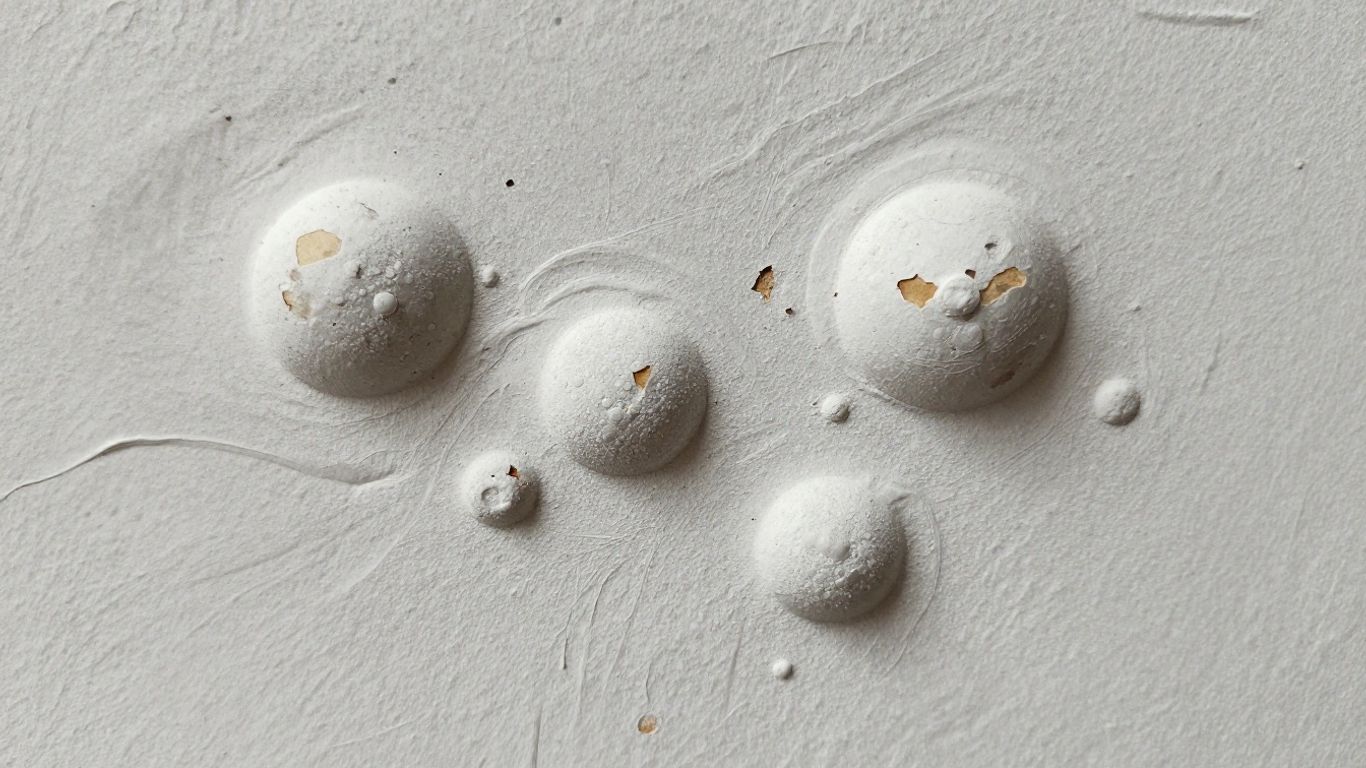
So, you’ve spotted those tell-tale bubbles on your plaster, and you’re wondering what to do next. It’s a common headache, especially in older Bristol properties, but thankfully, there are ways to sort it out. The first step is always to figure out why it’s happening, but once you have a handle on that, you can start looking at the fixes.
Professional Damp Surveys In Bristol
Before you start ripping plaster off the walls, it’s a really good idea to get a professional in. Trying to guess the cause of damp can lead to wasted time and money. A qualified damp surveyor in Bristol will know how to properly investigate the issue. They’ll look for signs of rising damp, penetrating damp, or condensation, and they won’t just guess. They’ll use tools and their experience to pinpoint the exact problem. A thorough survey is the foundation for any successful repair.
What to expect from a survey:
Visual inspection: Looking for stains, mold, and the condition of the plaster.
Moisture meter readings: Taking measurements to assess damp levels in the walls.
Damp proof course (DPC) check: Examining if the DPC is intact and not bridged.
Ventilation assessment: Evaluating airflow and potential condensation sources.
Written report: A clear document detailing findings, causes, and recommended solutions.
Don’t be pressured into a decision on the spot. A good surveyor will provide a detailed report, allowing you to consider the options. Always ask for a breakdown of costs and what the warranty covers.
Damp Proofing Injection Creams
If rising damp is identified as the culprit, a common and effective solution is a chemical damp proof course injection. This involves drilling small holes into the mortar course at the base of the wall and injecting a special cream. This cream then spreads and cures, creating a waterproof barrier that stops moisture from traveling up the wall. It’s a bit like giving your wall a new, internal umbrella.
How it works: The cream is inserted into holes drilled into the mortar. It then permeates the brickwork and mortar, forming a water-repellent layer. This effectively creates a new DPC.
Effectiveness: When applied correctly, these chemical DPCs are highly effective and provide long-lasting protection against rising damp.
Post-injection: After the injection, it’s usually necessary to replaster the affected area. This is because the old plaster might contain salts that attract moisture, even after the damp source is fixed. A specialist plaster mix is often recommended.
Ventilation and Dehumidification Strategies
Sometimes, the bubbling isn’t due to rising or penetrating damp, but simply condensation. This is more common in areas with poor airflow, like bathrooms, kitchens, or even bedrooms where laundry is dried indoors. In these cases, the solution is less about injecting creams and more about improving air quality.
Increase ventilation: Open windows regularly, even for short periods in winter. Consider installing extractor fans in kitchens and bathrooms.
Use a dehumidifier: These machines pull moisture out of the air, helping to keep humidity levels down. They can be particularly useful in rooms where condensation is a persistent problem.
Manage humidity sources: Avoid drying clothes indoors if possible, or use a vented tumble dryer. Ensure lids are on pots when cooking.
Addressing plaster bubbling requires a methodical approach. By understanding the cause and choosing the right solution, whether it’s a professional survey, damp proofing injections, or simply improving ventilation, you can get your Bristol property back in good shape. Remember, tackling the root cause is always the best way forward. Trying to patch over the problem rarely works in the long run.
Choosing The Right Professionals For Damp Issues
So, you’ve spotted the tell-tale signs of damp, and it’s time to call in the cavalry. But where do you even start? It feels like every other van on the road claims to be a damp specialist, right? It’s a bit of a minefield, and honestly, picking the wrong outfit can cost you more in the long run, both in money and stress. You want someone who knows their stuff, especially with the older properties we have here in Bristol.
Credentials And Accreditation To Look For
This is where you can’t afford to be shy. Look for qualifications like CSRT (Certified Surveyor in Remedial Treatment) or membership in the Property Care Association (PCA). These aren’t just fancy letters; they mean the surveyor or technician has undergone proper training and adheres to industry standards. It’s a good sign they’re serious about their work and less likely to disappear after the job is done. Always ask about insurance-backed guarantees too. It’s your safety net if something goes wrong down the line.
Check for CSRT or PCA membership.
Inquire about insurance-backed guarantees.
Ask what their accreditations mean.
The Importance Of Local Bristol Experience
Properties in Bristol have their own character, don’t they? From the Georgian terraces to the newer builds, each type of construction can present unique damp challenges. A company with solid local experience will have seen it all before. They’ll understand the specific issues common to our area, like how certain soil types might affect drainage or how the local stone can behave. Don’t be afraid to ask them about their experience with properties similar to yours. A good damp proofer will have plenty of examples and be happy to share them.
Understanding Quotes And Avoiding Hidden Costs
This is a big one. Damp proofing isn’t usually a cheap fix, and it shouldn’t be. Be wary of quotes that seem too good to be true – they often are. A proper quote should be detailed, itemised, and clearly state what’s included. This means materials, labour, disposal of waste, and any warranty details. If a company is vague or tries to pressure you into a decision on the spot, that’s a red flag. Always get a written quote and take your time to review it. Remember, you’re paying for expertise and a lasting solution, not just a quick patch-up.
A common mistake is focusing solely on the price tag. While budget is important, the cheapest option often leads to repeat problems and higher costs later. Prioritise value and a proven track record over a rock-bottom figure.
Item | Included? | Notes |
|---|---|---|
Initial Survey | Yes | Detailed inspection and diagnosis |
Materials | Yes | High-quality, appropriate for the issue |
Labour | Yes | Skilled technicians |
Waste Disposal | Yes | Site left clean |
Warranty | Yes | Specify duration and coverage |
Call-out fee | No | Included in overall project cost |
VAT | Yes | Clearly stated |
Preventative Measures For Bristol Homes
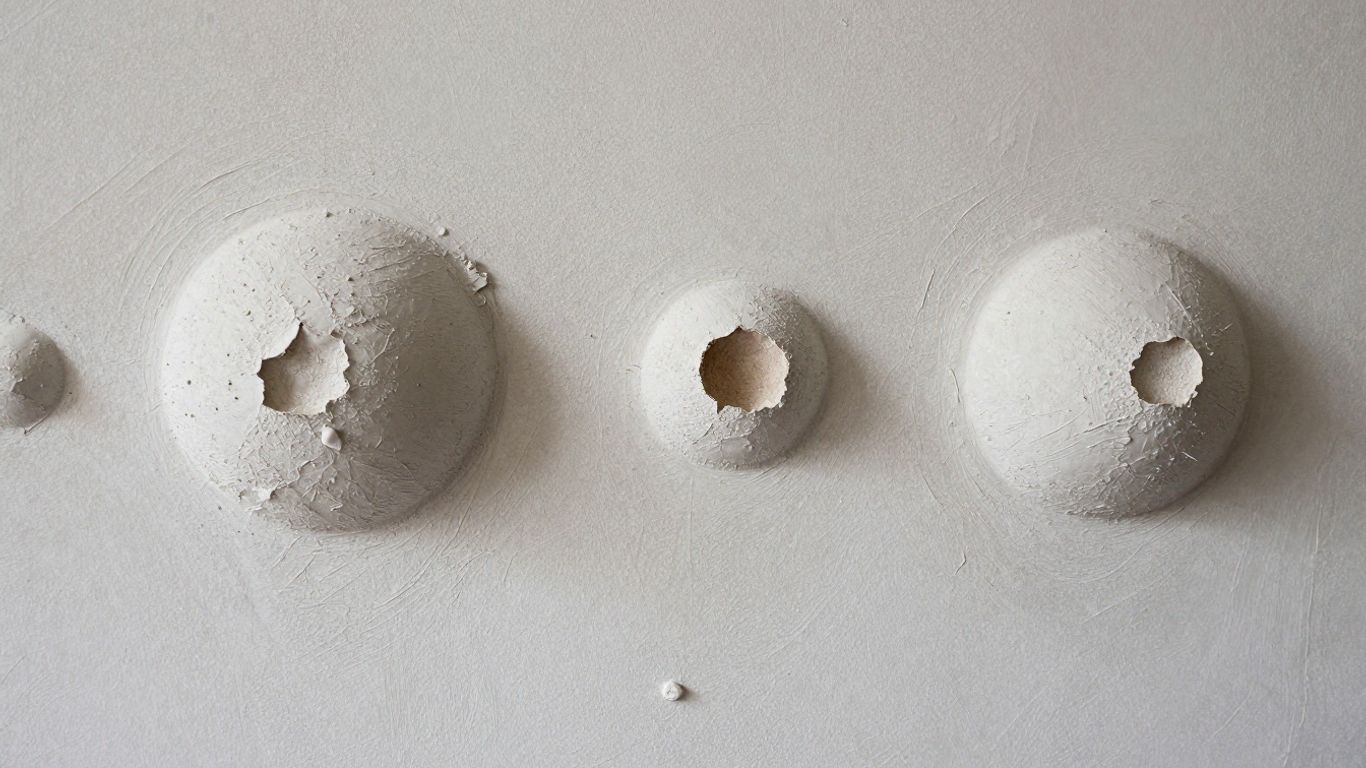
Look, nobody wants to deal with plaster bubbling or damp patches, right? It’s a real pain. The good news is, a lot of these issues can be avoided with a bit of regular upkeep. Think of it like looking after your car – a little attention now saves you big headaches later. Especially here in Bristol, with our mix of old and new properties, staying on top of things is key.
Maintaining Exterior Walls And Drainage
Your home’s first line of defence is its exterior. Gutters and downpipes are often overlooked, but clogged gutters can overflow, sending water straight down your walls. This constant dampness can seep into the brickwork and eventually find its way inside. It’s a good idea to clear them out at least twice a year, especially after autumn when leaves are everywhere. Also, keep an eye on your external walls. Cracks in render or pointing can let water in. Small issues, like a hairline crack, can become big problems if left unchecked. Addressing these early stops water from getting a foothold. If you’ve got plants growing too close to the walls, consider trimming them back. Roots can cause damage over time, and dense foliage traps moisture against the masonry.
Ensuring Proper Ventilation Throughout Your Home
Moisture isn’t just coming from outside; it’s generated inside too. Cooking, showering, even just breathing creates water vapour. If this moisture can’t escape, it builds up, leading to condensation. This is especially common in kitchens and bathrooms. Installing extractor fans and using them regularly is a simple but effective step. Make sure they vent to the outside, not just into the loft. Opening windows for a short period each day, even in winter, helps to air out the house. Consider a dehumidifier for rooms that tend to stay damp, like basements or poorly ventilated bedrooms. It pulls moisture right out of the air.
Regular Property Inspections For Early Detection
Catching problems early is the name of the game. Make it a habit to do a quick walk-around your property every few months. Look for anything unusual: new stains on walls or ceilings, peeling paint, or musty smells. Check around windows and doors for any signs of leaks. Pay attention to the areas around pipes and plumbing, as these are common spots for leaks to start. If you notice anything concerning, don’t ignore it. Getting a professional damp survey in Bristol sooner rather than later can save you a lot of money and hassle. It’s much easier and cheaper to fix a small issue than a widespread problem.
Don’t wait for a small drip to become a flood. Regular checks mean you can spot potential issues before they turn into costly repairs. It’s about being proactive, not reactive.
Wrapping Up: Keeping Your Bristol Walls Healthy
So, we’ve talked a lot about why plaster might decide to bubble up in your Bristol home. It’s usually down to moisture, plain and simple, whether it’s creeping up from the ground, getting in from outside, or just hanging around because of how you live. The good news is, most of these issues can be sorted. It might mean getting a pro in to check things out, maybe a bit of work on the outside, or even just changing how you dry your clothes. The main thing is not to ignore it. A little bit of damp can turn into a bigger headache, and nobody wants that. Taking the time to figure out the cause and get the right fix means you’ll be looking after your property and keeping your home healthy and dry for years to come.
Frequently Asked Questions
What makes plaster bubble and peel off the wall?
Plaster can bubble and peel when moisture gets behind it. This often happens because water seeps in from outside or from inside your home, like from leaky pipes or too much humidity. The wetness weakens the plaster’s grip on the wall, causing it to bulge and eventually detach.
How can I tell if I have a rising damp problem?
Rising damp usually shows up as a tide mark stain on your walls, often starting from the floor and going up about a meter. You might also see white, powdery salt deposits on the surface, and the plaster and paint could start to bubble or peel. It’s like the ground is pushing water up into your walls.
What’s the difference between rising damp and penetrating damp?
Rising damp is when groundwater travels up through your walls from the ground, usually due to a faulty damp-proof course. Penetrating damp is when water comes through your walls from the outside, like through cracks in the brickwork, faulty gutters, or bad seals around windows.
Can condensation cause plaster to bubble?
Yes, condensation can contribute to plaster problems. When warm, moist air inside your home meets cold walls, water droplets form. If this happens a lot, especially in poorly ventilated areas like bathrooms or kitchens, the constant moisture can damage plaster over time, making it soft and prone to bubbling.
What should I do if I suspect damp issues in my Bristol home?
If you think you have damp problems, the first step is to get a professional damp survey. A qualified surveyor can figure out the exact cause, whether it’s rising damp, penetrating damp, or condensation. They’ll provide a report and recommend the best way to fix it, which might involve damp proofing treatments, improving ventilation, or repairing external issues.
How can I stop my plaster from bubbling in the future?
To prevent future bubbling, make sure your home is well-ventilated to reduce condensation. Keep outside walls in good shape by clearing gutters and fixing cracks. Ensure your damp-proof course isn’t blocked by soil or debris. Regular checks of your property can help catch small issues before they become big problems.