
So, you’re thinking about lime plaster for your older Bristol house? It’s a big question, and honestly, it’s one that comes up a lot when you’re dealing with these beautiful, historic properties. Modern plaster has its place, sure, but there’s something about lime that just feels right for buildings that have stood the test of time. We’re going to break down what makes lime plaster special, why it might be worth the extra effort and cost for your Bristol home, and what you need to know before you commit. Is lime plaster worth it in Bristol? Let’s find out.
Key Takeaways
Lime plaster is made from natural ingredients like sand, water, and lime, offering a unique, natural aesthetic that complements older homes. It’s a traditional material that has been used for centuries.
A major benefit of lime plaster is its breathability, which helps walls manage moisture, preventing damp and improving indoor air quality. This is especially important for older buildings that weren’t designed for modern, sealed construction.
The application process for lime plaster is more involved than modern alternatives. It typically requires multiple coats and has significantly longer drying times, often taking weeks for each layer to set properly.
While lime plaster can be more expensive upfront due to longer labor times and material costs, its durability and ability to protect historic structures can make it a cost-effective choice in the long run. It’s particularly suitable for traditional brick or stone walls.
For historic buildings in Bristol, using lime plaster is often recommended by conservation officers as it’s compatible with traditional materials and helps preserve the building’s heritage features. Professional application is usually advised due to the material’s properties.
Understanding Lime Plaster’s Appeal in Bristol
When you’re looking at older homes in Bristol, you’ll notice a certain charm, a character that newer buildings just don’t seem to capture. A big part of that is often down to the materials used, and lime plaster is a big player in that story. It’s not just about looks, though; there’s a whole lot more to why it’s been a go-to for builders for centuries, especially here in a city with such a rich history.
What Constitutes Lime Plaster?
So, what exactly is lime plaster? At its core, it’s a pretty simple mix: lime, sand, and water. Unlike modern plasters that often rely on cement or gypsum, lime plaster uses calcium carbonate. This natural ingredient gives it a unique set of properties that are really beneficial for older buildings. It’s a far cry from the synthetic stuff you might find elsewhere. The way it’s made, using natural ingredients, is part of its appeal.
The Natural Aesthetic of Lime
One of the first things people notice about lime plaster is its look. It has this soft, natural finish that’s really pleasing to the eye. It’s not perfectly smooth like some modern finishes; instead, it has a subtle texture that adds depth and warmth to a room. This rustic appearance is perfect for older properties, helping them retain their original character. You can even add colour using lime wash, which keeps the plaster breathable and maintains that lovely, natural look.
Historical Precedent in Bristol Properties
Bristol has a long history, and many of its older buildings reflect that. Think about places like the Red Lodge, one of the city’s oldest houses, which dates back to the 16th century. Buildings like these have stood the test of time partly because they were constructed using traditional methods and materials, including lime plaster and render. Even the oldest church in Bristol, St. James Priory, which is over 900 years old, has been maintained with lime plaster for centuries. It’s a testament to its durability and suitability for historic buildings.
Lime plaster isn’t just a decorative choice; it’s a functional one that respects the age and structure of older homes. Its natural composition allows buildings to perform as they were originally intended.
The Functional Advantages of Lime Plaster

When you’re thinking about plastering an older home, especially here in Bristol with all its beautiful historic buildings, lime plaster really stands out. It’s not just about looks, though it certainly has that going for it. Lime plaster offers some serious practical benefits that modern plasters often can’t match. These functional advantages are key to why it’s still a top choice for heritage properties.
Enhancing Wall Breathability
One of the biggest pluses of lime plaster is its breathability. Unlike cement or gypsum plasters, which tend to seal walls up tight, lime lets moisture vapor pass through. Think of it like your skin being able to breathe. This is super important for older buildings, which were often built with materials that need to dry out. When walls can breathe, moisture doesn’t get trapped inside, which helps prevent all sorts of problems down the line.
Moisture Regulation and Damp Prevention
Following on from breathability, lime plaster is a champion at managing moisture. It can absorb excess humidity from the air and then release it slowly when the air is drier. This natural regulation helps keep your home’s internal environment more stable and comfortable. More importantly, by allowing moisture to escape, it significantly reduces the risk of damp patches and the mould that can come with them. Its naturally high pH also acts as a bit of a deterrent to fungi, further helping to keep damp at bay.
Long-Term Durability and Strength
Don’t let its natural, softer feel fool you; lime plaster is incredibly durable. Over time, as it cures through a process called carbonation, it actually gets stronger. Tiny crystals form within the plaster, creating a very robust and long-lasting finish. We see evidence of this all over the world, with ancient Roman structures still standing strong thanks to lime plaster. It’s also more flexible than harder plasters, meaning it’s less prone to cracking from minor building movements, which is a big plus for older properties that might settle a bit over time.
Lime Plaster Application Process
Applying lime plaster isn’t quite like slapping on a coat of modern drywall compound. It’s a more involved process, and honestly, it takes a good chunk of time. If you’re thinking about this for your older Bristol home, it’s good to know what you’re getting into.
The Multi-Coat Application
Unlike the typical two coats you might see with gypsum plaster, lime plaster usually needs three distinct layers. Each one has a specific job and needs time to do it.
Scratch Coat: This is the foundation. It’s a rougher mix, about 10mm thick, applied directly to the wall surface (whether that’s lath, brick, or stone). The plasterer will deliberately scratch its surface. This creates a rough texture that the next coat can really grip onto. Think of it like preparing a surface for glue – you want it to stick well.
Float Coat: Once the scratch coat has had a good long dry, this second layer goes on. It’s also around 10mm thick and uses a similar coarse mix. The key difference here is that the plasterer will smooth this layer out more than the first. However, they’ll still give it a light roughening to help the final coat adhere.
Skim Coat: This is the finishing layer, typically about 4mm thick. It uses a finer mix and is carefully flattened to create a smooth, decorative surface. Unlike the previous coats, this one isn’t roughened, as it’s meant to be the final look.
Extended Drying Times
This is where lime plaster really differs from its modern counterparts. While gypsum plaster can dry in hours, lime plaster takes days, sometimes weeks, for each coat to fully set. The scratch coat might need up to ten days, followed by another ten for the float coat, and then a few more for the skim coat. But here’s the kicker: room conditions play a huge role. If it’s damp or cold, those ten-day drying periods can easily stretch to three or even four weeks per coat. Patience is definitely a virtue when working with lime.
It’s important to remember that the drying process for lime plaster is a chemical reaction, not just evaporation. This carbonation process is what gives lime plaster its strength and durability over time. Rushing it can compromise the final result.
Professional Application Requirements
Working with wet lime plaster isn’t something you want to do without proper knowledge. It’s highly alkaline, with a pH of around 12 when wet, which can cause chemical burns on skin. Once it dries, the pH drops significantly, making it much safer. Because of this, and the specific techniques required for each coat, it’s strongly recommended to hire a professional plasterer. They’ll know the right mix ratios, how to prepare the surface properly (like misting the wall before application), and how to handle the material safely. Trying to DIY this without experience could lead to a poor finish or even skin irritation.
Considering Lime Plaster for Your Bristol Home
So, you’re thinking about lime plaster for your place in Bristol? It’s a big decision, and honestly, it’s not always the cheapest upfront. Modern plasters, like gypsum, are generally quicker to apply and cost less per square meter. But, when you look at the bigger picture, lime plaster can actually be a smart investment, especially for older homes.
Cost Comparison with Modern Plasters
Let’s break it down a bit. Gypsum plaster usually takes a day or two to apply and dry. Lime plaster, on the other hand, is a multi-coat job and needs serious drying time between layers – we’re talking days, sometimes weeks, depending on the weather. This means more labor time, which adds to the cost. However, lime plaster is incredibly durable. It’s flexible and strengthens over time, meaning it can last for decades, even centuries, with minimal fuss. Think about the long-term – fewer repairs, less frequent reapplication. It’s a bit like buying a quality tool; it costs more initially, but it lasts way longer.
Plaster Type | Initial Cost | Drying Time | Lifespan |
|---|---|---|---|
Gypsum | Lower | Hours to Days | 15-25 Years |
Lime | Higher | Days to Weeks | 50+ Years |
Maintenance and Longevity
When it comes to upkeep, lime plaster is pretty low-maintenance. Its natural flexibility means it’s less prone to cracking than cement-based plasters. You might need to do some minor patching over the years, especially if it’s exposed to harsh weather, but a full re-do is rare unless there’s significant damage. It’s a material that ages gracefully, often looking better with time. This longevity is a huge plus for historic properties where preserving original features is key.
When Lime Plaster is the Right Choice
So, is it the right move for your Bristol home? If you’ve got an older property, especially one built with traditional brick or stone, lime plaster is often the best fit. It works with the building’s natural movement and allows walls to ‘breathe,’ which is super important for preventing damp issues that plague older homes. It also offers a beautiful, natural aesthetic that just can’t be replicated by modern materials. If you’re aiming for authenticity, sustainability, and a finish that will stand the test of time, lime plaster is definitely worth serious consideration.
Choosing lime plaster is about more than just a surface finish; it’s about respecting the building’s history and ensuring its future health. It’s a commitment to a material that works in harmony with traditional construction methods.
Interior and Exterior Uses for Lime
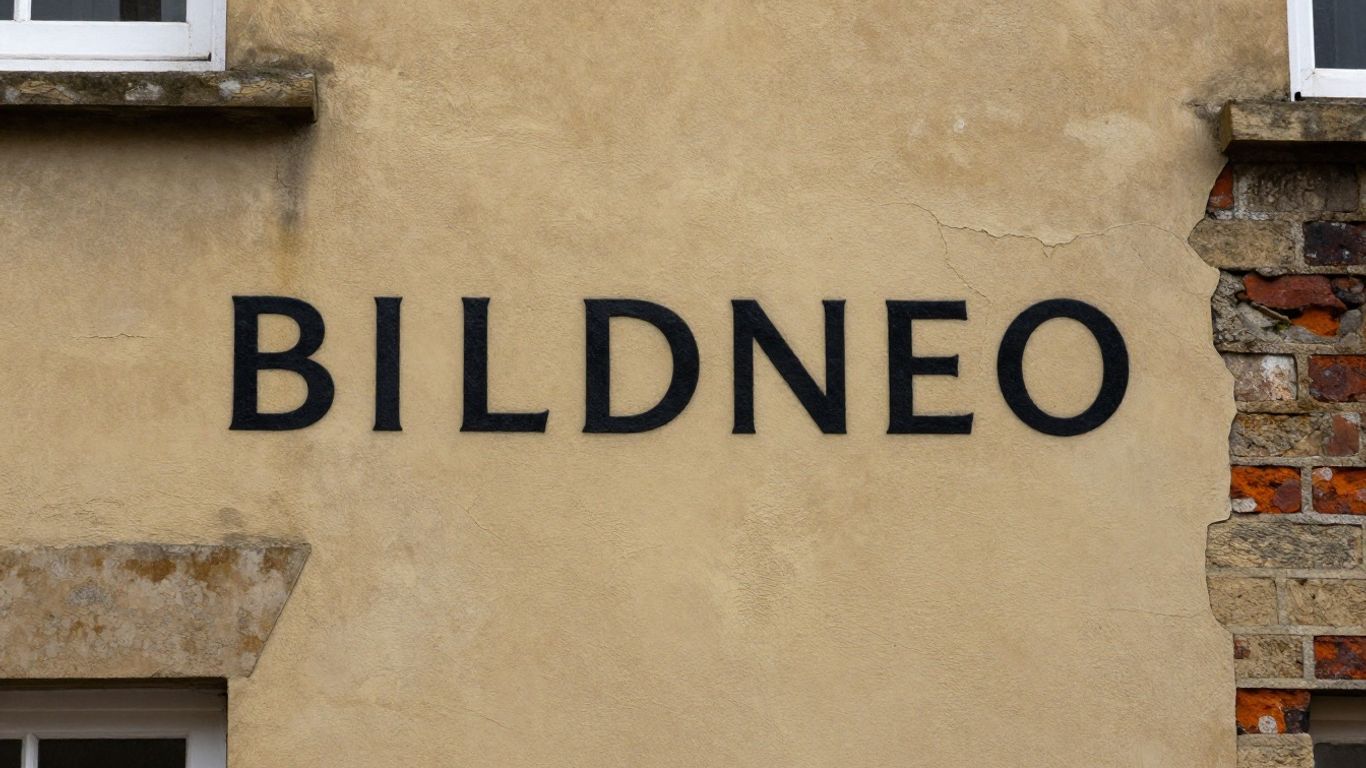
Lime plaster isn’t just for the outside of old buildings, you know. It’s got some pretty neat uses inside too, and it’s great for exteriors in a different way than you might think.
Interior Humidity Control
When you’re thinking about the inside of your Bristol home, especially if it’s a bit older, lime plaster can really help manage the air. It’s a breathable material, which means it lets moisture pass through it. This is a big deal for keeping your home comfortable and healthy. Instead of trapping dampness, which can lead to mold and that musty smell, lime plaster helps regulate the humidity. This makes rooms feel fresher and can be a lifesaver in areas prone to condensation, like kitchens or bathrooms. It’s like your walls can breathe a sigh of relief, and so can you.
Exterior Breathable Finishes
On the outside, lime render does something similar but with a focus on protecting the building’s structure. Traditional buildings, especially those made of stone or brick, need to be able to let moisture escape from within. Modern cement renders can seal these walls up, trapping water and causing damage over time. Lime render, on the other hand, allows the building to ‘breathe’, letting water vapor out. This helps prevent the kind of decay that can really harm historic structures. It also gives a lovely, soft finish that complements the character of older properties.
Suitable Substrates for Lime
So, what can you actually put lime plaster or render onto? It’s pretty versatile, but it works best with certain materials. Think traditional stuff: stone walls, brickwork, and even older timber frames. It bonds well with these porous surfaces. It’s not usually recommended for modern plasterboard or smooth, non-porous surfaces without proper preparation, as it needs something to grip onto. For older Bristol homes, you’ll often find it applied directly to the masonry or over a lath base.
Here’s a quick look at common substrates:
Stone: Excellent compatibility, lime fills the natural voids.
Brick: Works very well, especially older, softer bricks.
Cob: A traditional pairing, allowing the cob to breathe.
Lath: Often wood or metal strips, providing a key for the plaster.
Modern blockwork: Possible, but requires specific preparation and often a bonding agent.
Maintaining the Integrity of Historic Buildings
Compatibility with Traditional Materials
When you’re working with older homes, especially those in Bristol with their unique character, it’s super important that whatever you do plays nice with what’s already there. Lime plaster is a big win here because it’s made from natural stuff, just like the original materials used centuries ago. Think lime mortars, timber frames, and stone. Using lime plaster means you’re not introducing something foreign that could cause problems down the line. It lets the building breathe, which is key for preventing damp and decay. It’s all about working with the building’s natural processes, not against them. Trying to force modern, synthetic materials onto an old structure can lead to all sorts of issues, like trapped moisture and damage to the original fabric. It’s a bit like trying to wear a brand-new, stiff suit to a casual picnic – it just doesn’t fit the occasion.
Preserving Heritage Features
Older buildings are like history books, and their features tell a story. When you’re thinking about plastering, especially in a place like Bristol with so many historic properties, the goal is always to protect those original details. Lime plaster is fantastic because it’s gentle. It doesn’t put undue stress on delicate lath or old timbers. Plus, its natural finish often complements the aged look of a historic home, rather than fighting against it. It’s about making improvements that respect the past. This means avoiding anything that might damage or obscure original features like cornices, mouldings, or even just the patina of age. The best approach is always one of minimal intervention, focusing on repair and sympathetic enhancement.
Working with Conservation Officers
If your Bristol home is listed or in a conservation area, you’ll definitely be talking to a conservation officer. They’re the guardians of heritage, and their input is vital. They’ll want to see a plan that shows you’ve thought about how your work affects the building’s historic character. This usually involves:
A clear method statement: Explaining exactly what you plan to do and why.
Technical justification: Backing up your choices with solid reasons, especially regarding material compatibility and breathability.
Assurance on reversibility: Showing that your work can be undone if needed in the future without causing permanent damage.
Engaging with your conservation officer early is the smartest move. They can guide you on what’s acceptable and what’s not, saving you time, money, and potential headaches later on. They’re not there to stop you from making improvements, but to help you do it in a way that respects the building’s heritage.
So, Is Lime Plaster Worth It for Your Bristol Home?
Look, when it comes to older houses in Bristol, especially those with a bit of history, lime plaster really does seem like the way to go. It’s not just about making things look pretty, though it does that too. This stuff lets your walls breathe, which is a big deal for stopping damp and keeping the building healthy over the long haul. Sure, it takes longer to put up and can cost a bit more than modern alternatives, and you’ll probably want a pro to handle it. But when you think about how long it lasts and how it respects the original character of your home, it starts to make a lot of sense. It’s a solid choice if you want to keep your place authentic and functional for years to come.
Frequently Asked Questions
What exactly is lime plaster?
Lime plaster is a natural building material made from sand, water, and lime. It’s an old-school alternative to modern plasters like gypsum or cement. It gives walls a unique, earthy look and is known for letting walls breathe.
Why is ‘breathability’ important for old houses?
Old houses, especially those in places like Bristol, need to let moisture escape. Lime plaster allows air and moisture to pass through the walls, which helps prevent dampness and keeps the building healthy. Modern plasters can trap moisture, leading to problems.
Is lime plaster a good choice for the inside of my house?
Absolutely! Lime plaster is great for interiors. It helps control humidity, making your home more comfortable and reducing the chances of damp. It also adds a beautiful, natural finish to your rooms.
How is applying lime plaster different from regular plaster?
Lime plaster usually needs three coats, unlike the two often used for gypsum plaster. Each coat takes much longer to dry – think days or even weeks, not hours. This means the whole process takes more time and patience.
Can I paint over lime plaster?
While you can paint lime plaster, it’s generally not recommended. Most paints aren’t breathable and can block the plaster’s natural ability to manage moisture. A better option is to use a lime wash, which adds color while keeping the plaster’s benefits.
Is lime plaster more expensive than modern options?
Yes, lime plaster typically costs more upfront. This is because the materials themselves can be pricier, and the application process takes longer, meaning higher labor costs. However, its long-lasting nature and ability to protect your home can make it a worthwhile investment over time.