
Thinking about getting rid of that old Artex ceiling? It’s a common job these days, especially in older homes around Bristol. That textured look was popular for ages, but now most people want a smooth, modern finish. The big question on everyone’s mind is, of course, the Artex ceiling removal cost in Bristol. It’s not as simple as just scraping it off; there are safety steps, different surfaces to consider, and finding the right people to do the job. Let’s break down what you need to know so you can get a clear picture of the expenses involved.
Key Takeaways
Artex is a brand name for textured decorative coatings, and older versions (pre-1999, especially pre-1992) might contain asbestos, making removal a safety concern.
The cost of Artex ceiling removal in Bristol depends heavily on the surface underneath (plasterboard, plaster, or concrete) and the total area needing work.
Expect to pay more if special safety measures, like enclosures and air extraction, are needed, or if access to the ceiling is difficult.
While not always requiring a licensed contractor, using insured professionals experienced in asbestos handling is strongly recommended for safety and compliance.
After removal, the surface will need preparation, often involving skimming, to achieve a smooth finish ready for painting.
Understanding Artex Ceiling Removal Costs in Bristol
So, you’ve got that classic textured ceiling, likely Artex, and you’re wondering about getting rid of it. It’s a common thought, especially if you’re looking to update your home’s look or just want a smoother finish. But before you grab a scraper, there’s something important to know: many older Artex coatings contain asbestos. This isn’t something to mess with lightly, and it definitely impacts the cost and process of removal.
What is Artex and Its Asbestos Content?
Artex is actually a brand name, kind of like how people say ‘Kleenex’ for any facial tissue. The actual product is a type of asbestos-textured or decorative coating. Back in the day, asbestos fibres were mixed into a plaster-like material. When water was added, it created a paste that could be applied to walls and ceilings, then dried to give that distinctive textured look we often associate with Artex. It was popular for a long time because it could hide imperfections in plaster and gave a decorative finish.
Historical Usage of Asbestos Artex
From the 1950s through to the late 1980s, asbestos was a common additive in building materials, including textured coatings like Artex. It was valued for its fire-resistant properties and durability. This means if your house was built or renovated during this period, there’s a good chance your Artex ceiling contains asbestos. The presence of asbestos is the primary factor influencing the cost and safety procedures for removal.
Identifying Asbestos in Artex Ceilings
Spotting asbestos in Artex isn’t something you can reliably do just by looking at it. The texture itself doesn’t give it away. The only way to be absolutely sure is to get a sample tested by a certified laboratory. If you suspect your Artex contains asbestos, it’s best to assume it does and proceed with caution. Trying to remove it yourself without proper precautions can release dangerous fibres into the air, which can cause serious health problems later on. For this reason, professional removal is usually the safest route.
Here’s a quick rundown of what influences the cost:
Surface Type: Whether the Artex is on plasterboard, plaster, or concrete affects how it’s removed and the associated costs.
Area Size: Larger areas naturally cost more to treat.
Accessibility: If the ceiling is hard to reach, it might require special equipment, adding to the expense.
Safety Measures: The need for containment, air monitoring, and specialized disposal all factor into the final price.
When dealing with potential asbestos, safety is always the top priority. Professional asbestos removal services are equipped with the knowledge, tools, and licenses to handle these materials safely and legally. They manage the entire process, from testing and containment to removal and disposal, giving you peace of mind.
Factors Influencing Artex Ceiling Removal Expenses
So, you’re looking to get that old Artex ceiling sorted out in Bristol, huh? It’s not just a simple scrape and go job, unfortunately. Several things can really bump up the price, and it’s good to know what you’re getting into before you start getting quotes.
Surface Type: Plasterboard, Plaster, or Concrete
The biggest factor is what the Artex is actually stuck to. Think of it like this: trying to remove something from a delicate surface is going to take more care than if it’s on something really solid. Artex applied over plasterboard can be trickier because you might end up damaging the board itself, meaning more work to fix it up afterwards. Plaster is a bit more forgiving, but still needs a careful hand. Concrete is usually the most straightforward, but it really depends on the condition of the concrete underneath.
Here’s a rough idea of how the surface can affect costs:
Surface Type | Estimated Cost Per Square Metre |
|---|---|
Plasterboard | £50 – £65 |
Plaster | £60 – £75 |
Concrete | £55 – £70 |
Note: These are just ballpark figures and can change based on other factors.
Area Size and Accessibility
Obviously, the bigger the area, the more time and materials it’s going to take. But it’s not just about the square metres. How easy is it for the removal team to get to the ceiling? If it’s a standard room with plenty of space to move around, that’s one thing. But if you’ve got awkward corners, lots of furniture that needs moving and protecting, or if the ceiling is particularly high and needs special scaffolding, that’s going to add to the bill. Good access makes for a smoother, cheaper job.
Required Safety Measures and Enclosures
Because Artex can sometimes contain asbestos, safety is paramount. Even if it’s confirmed asbestos-free, contractors will still take precautions. If asbestos is present, a controlled environment needs to be set up. This usually involves sealing off the room with plastic sheeting and setting up negative air pressure systems to stop any dust from spreading. This setup takes time and specific equipment, which adds to the overall cost. It’s not just about the removal itself, but the whole process of making sure everyone stays safe and the rest of your home isn’t contaminated.
The setup for Artex removal, especially when dealing with potential asbestos, is a significant part of the expense. It’s not just about the labour to scrape the Artex; it’s about the protective measures, waste containment, and air monitoring that ensure the job is done safely and legally. This preparation phase is non-negotiable for your health and peace of mind.
Estimating Artex Ceiling Removal Prices
Figuring out what you’ll pay to get Artex off your ceiling can seem overwhelming. But once you break down the costs by the type of surface, the size of the job, and the work conditions, it makes a lot more sense. It’s important to know that prices often reflect all setup, removal, and safety measures needed for safe asbestos removal.
Cost Breakdown by Surface Type and Area
Different surfaces and job sizes really change the cost. The following table shows average removal costs per square meter in Bristol for Artex containing asbestos:
Total Area | Plasterboard | Plaster | Concrete |
|---|---|---|---|
10–20 sq. meters | £50/m² | £60/m² | £65/m² |
21–50 sq. meters | £46/m² | £56/m² | £61/m² |
51–100 sq. meters | £42/m² | £52/m² | £57/m² |
100–200 sq. meters | £40/m² | £50/m² | £55/m² |
200+ sq. meters | £38/m² | £48/m² | £53/m² |
For a ballpark, the average rate for asbestos removal hovers around £50 per square meter, but your actual price will depend on your specific situation.
Impact of Site-Specific Requirements
Every project has its own needs, which can push the price up or down:
Accessibility: Easy-to-reach ceilings are cheaper to work on than complex, awkward spaces.
Power and Water Supply: If your property doesn’t have easy access to utilities, the contractor might need to bring in generators or water tanks.
Welfare Facilities: For bigger jobs, portable toilets or resting areas might need to be supplied for the crew.
Sometimes, just getting all the gear and safety stuff in place can be more work than the actual removal, especially in older or hard-to-reach buildings.
Professional Contractor Considerations
Hiring the right professional really matters with Artex and asbestos. Here are some things to consider when picking and budgeting for a contractor:
Go for licensed and insured contractors—they know the rules and will keep your home safe.
Ask for a detailed quote that covers everything: setup, enclosure, removal, and waste disposal.
Remember, bigger companies might charge more, but they often bring their own equipment and take care of all the required safety measures.
Bottom line: Prices vary a lot depending on your job’s details. Get a few quotes, ask about what’s included, and double-check that everything’s being handled the right way. Skimping on safety or cutting corners isn’t worth it when asbestos is involved.
The Removal Process for Artex Ceilings
So, you’ve decided to get rid of that textured Artex ceiling. That’s a big step towards a more modern look! But what actually happens when professionals come to take it off? It’s not just a quick scrape and paint job, especially if asbestos is involved. Safety is the absolute top priority here.
Safe Removal Techniques
When dealing with Artex, particularly older types that might contain asbestos, the removal method really depends on what the Artex is stuck to. It’s not a one-size-fits-all situation.
Plasterboard: If your Artex is on plasterboard, the easiest way is often to remove the whole plasterboard sheet with the Artex still attached. This minimizes dust and disturbance. You’ll then need to put up new plasterboard.
Plaster: For Artex applied over a plaster finish, professionals will typically remove the textured coating down to the original plaster layer. This usually involves hand tools and sometimes mechanical scrapers. It can be a bit messy.
Concrete: When Artex is on a concrete surface, like in some older stairwells or external areas, the goal is to remove the Artex without damaging the concrete underneath. Methods can include using steam to soften the coating for scraping or applying a special gel that loosens the Artex. Both methods require careful work.
The key is to keep airborne dust to an absolute minimum.
Professionals will set up containment areas using plastic sheeting and dust extraction systems. They wear protective clothing and respirators to make sure they don’t breathe in any harmful particles. It’s a controlled process designed to protect everyone on site and the surrounding environment.
Waste Disposal Procedures
Once the Artex is removed, it can’t just go in your regular bin, especially if asbestos is present. Proper disposal is a legal requirement.
Bagging: All removed Artex and contaminated materials (like plastic sheeting, disposable overalls, etc.) are carefully double-bagged in special, clearly labelled asbestos waste bags.
Transport: These bags are then transported by licensed waste carriers to a designated hazardous waste landfill site. This isn’t something you can do yourself.
Documentation: You should receive paperwork confirming that the waste has been disposed of correctly. Keep this for your records.
Post-Removal Surface Preparation
After the Artex is gone and the waste is cleared, the ceiling isn’t quite ready for its final finish yet. There’s still some prep work to do.
Cleaning: The surface will be thoroughly cleaned to remove any remaining dust or debris.
Inspection: A final check is done to make sure all the textured coating has been removed and the underlying surface is sound.
Repair: Any minor damage to the plaster or plasterboard that might have occurred during removal will be repaired.
Only after these steps are completed can you move on to skimming or applying your new ceiling finish. It’s a thorough process, but it’s necessary for a safe and smooth result.
Choosing the Right Contractor for Artex Removal
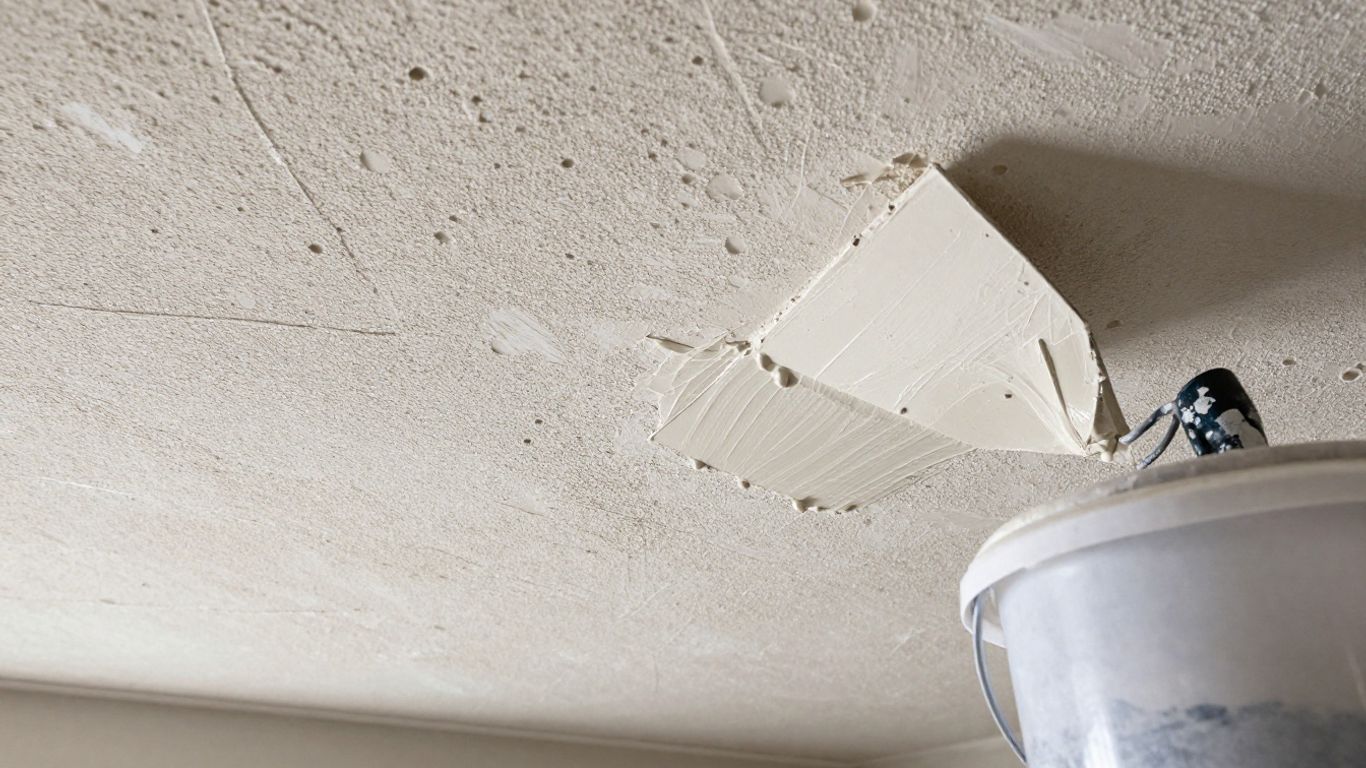
So, you’ve figured out you’ve got Artex and it might contain asbestos. The next big step is finding someone to actually get rid of it for you. This isn’t a DIY job, and picking the wrong person could lead to a whole heap of trouble, not to mention potential health risks. It’s really important to get this part right.
Importance of Licensed and Insured Professionals
While removing Artex that contains asbestos doesn’t always require a special license from the Health and Safety Executive (HSE), it’s still a legal must to make sure the job is done safely. Think of it like this: even if a specific task doesn’t need a license, the law still expects you to follow safety rules. Hiring a contractor who is licensed for other types of asbestos work often means they already have high standards in place. Plus, you absolutely need them to be insured. This protects you if anything goes wrong during the removal process. It’s just good sense to go with professionals who know what they’re doing and have the paperwork to prove it.
Obtaining Accurate Quotations
Getting quotes is a big part of the process. Don’t just go with the first price you’re given. You’ll want to get a few different estimates from various companies. When you ask for a quote, be really clear about what needs to be done. Mention the size of the area, what the Artex is on (like plasterboard, plaster, or concrete), and if there are any tricky bits like hard-to-reach spots. A good contractor will ask you lots of questions to make sure their quote is spot on. They should also break down the costs for you so you know exactly what you’re paying for.
Here’s a rough idea of what you might expect, but remember, these are just averages and can change based on your specific situation:
Surface Type | 10-20 sqm | 21-50 sqm | 51-100 sqm | 100-200 sqm | Over 200 sqm |
|---|---|---|---|---|---|
Plasterboard | £50/m² | £46/m² | £42/m² | £40/m² | £38/m² |
Plaster | £60/m² | £56/m² | £52/m² | £50/m² | £48/m² |
Concrete | £65/m² | £61/m² | £57/m² | £55/m² | £53/m² |
Ensuring Compliance with Regulations
This is where things get serious. The contractor you choose must follow all the rules set out by the HSE. This includes how they set up the work area, how they remove the Artex, how they clean up afterwards, and how they dispose of the waste. They need to create a safe, enclosed space to stop asbestos fibres from spreading. This might involve special sheeting and air filtration systems. If they’re not talking about these safety measures, or if they seem a bit vague, it’s a red flag. You want someone who is knowledgeable about the regulations and can explain how they’ll meet them.
When you’re getting quotes, ask about their waste disposal plan. Asbestos waste is hazardous and needs to be handled and disposed of properly according to strict guidelines. A reputable contractor will have a clear, compliant process for this.
Artex Ceiling Skimming and Refinishing Options
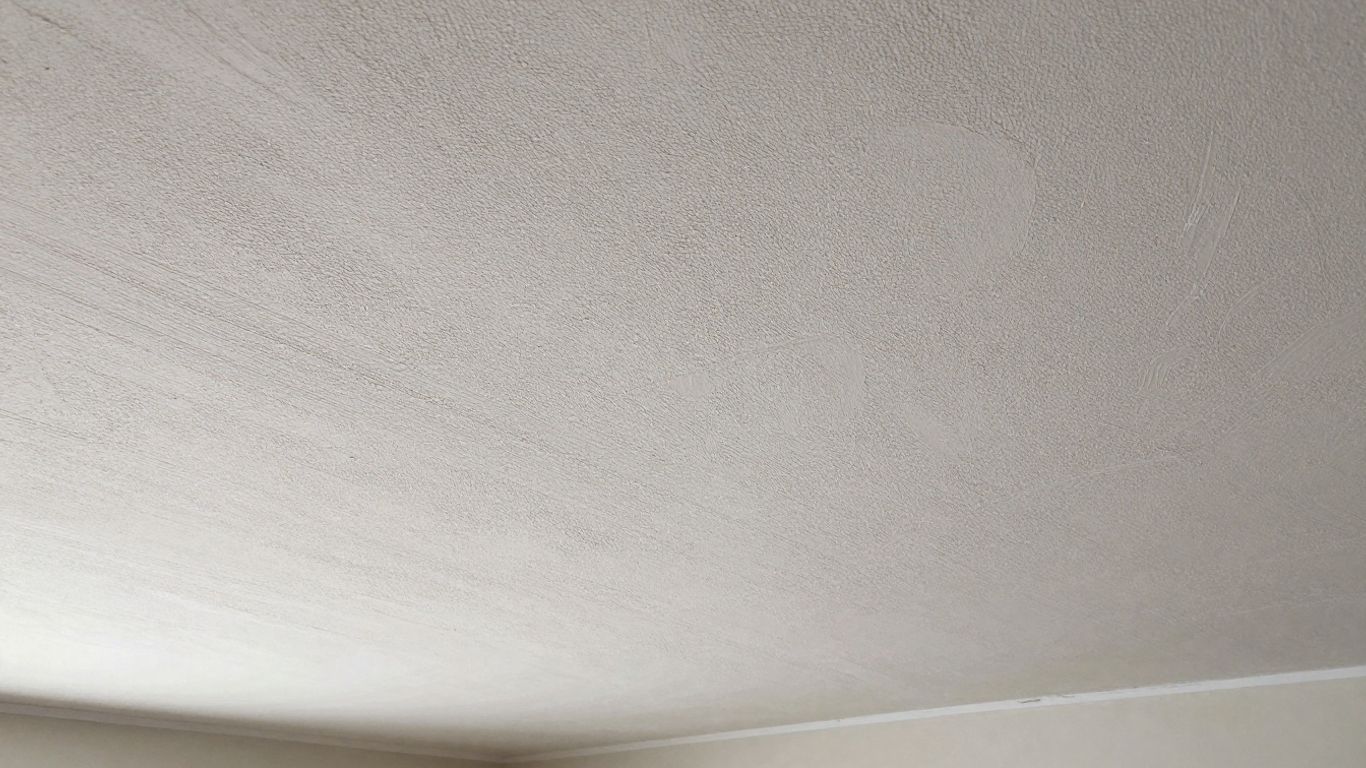
So, you’ve gone through the whole process of getting that old Artex ceiling dealt with. Maybe it was removed because of asbestos concerns, or perhaps you just wanted a change. Whatever the reason, you’re now looking at a ceiling that’s probably not exactly ready for a fresh coat of paint. This is where skimming and refinishing come into play. It’s all about getting that surface smooth and ready for whatever look you’re going for.
Preparing Surfaces After Artex Removal
Before you can even think about skimming, the ceiling needs to be properly prepped. This isn’t just a quick wipe-down. If the Artex was removed by taking off plasterboard, you’ll have new boards that need taping and filling at the joints. If the Artex was stripped back to plaster or concrete, the surface might be a bit rough or uneven. Any dust or debris needs to be cleared away completely. Sometimes, a special primer or mist coat might be needed, especially on porous surfaces like new plaster, to make sure the skim coat sticks properly and doesn’t dry out too fast.
The Skimming Process Explained
Skimming is basically applying a thin layer of plaster over the existing surface. It’s a skill that takes practice, so most people hire a professional for this. The plasterer will mix a special type of plaster and then apply it to the ceiling using large trowels. They work in sections, spreading the plaster evenly and then smoothing it out. The goal is to fill in any imperfections and create a perfectly flat, uniform surface. It’s a bit like giving your ceiling a brand new skin.
Achieving a Smooth, Modern Finish
Once the skim coat has dried, it’s usually sanded down lightly to get rid of any minor bumps or trowel marks. This is where you really start to see the transformation. The result is a beautifully smooth, modern finish that’s ready for decorating. You can then paint it, wallpaper it, or even apply another textured finish if you fancy something different. It completely changes the look of the room, making it feel brighter and more contemporary. It’s a big improvement over the old textured look.
Here’s a quick look at what you might expect:
Surface Condition: Rough, uneven, or patched surfaces will require more plaster.
Skim Coat Thickness: Thicker coats might be needed for very uneven areas.
Drying Time: Plaster needs time to dry fully before decorating.
Getting the prep work right is super important. If the surface isn’t prepared correctly, the skim coat might not adhere well, leading to problems down the line. It’s worth taking the time to do it properly, or hiring someone who knows what they’re doing.
Wrapping Up Your Artex Project in Bristol
So, there you have it. Dealing with Artex, especially if it might have asbestos, isn’t exactly a walk in the park. We’ve looked at what Artex is, why it was used, and importantly, how much it might cost to get it removed and your ceilings looking smooth again here in Bristol. Remember, the price can change based on the surface type and the size of the job. It’s always best to get a few quotes from qualified professionals to make sure you’re getting a fair deal and, more importantly, that the work is done safely. Don’t cut corners on this stuff; your health is way more important than saving a few quid.
Frequently Asked Questions
What exactly is Artex, and why is it a concern?
Artex is a brand name for a type of textured coating that was popular for decorating walls and ceilings. The big issue is that from the 1970s until the mid-1980s, this coating often contained asbestos fibers. Asbestos is dangerous when its fibers become airborne and are inhaled, potentially causing serious health problems later in life. So, if your home was built before 1992, your Artex might have asbestos.
How can I tell if my Artex has asbestos?
You can’t tell just by looking at it. Artex looks the same whether it contains asbestos or not. The only sure way to know is to have a sample taken by a professional and tested in a lab. If you suspect asbestos, it’s best to get it checked before you plan any work on the ceiling.
Do I need a special license to remove Artex with asbestos?
While removing Artex that contains asbestos doesn’t always require a special license from the Health and Safety Executive (HSE), it’s still against the law to do it unsafely. You must follow strict rules to protect yourself and others. It’s highly recommended to hire a professional asbestos removal company that is properly insured and experienced, even if a license isn’t mandatory for this specific job.
What affects the cost of removing Artex?
Several things influence the price. The size of the area is a big factor, of course. Also, the type of surface the Artex is on matters – removing it from plasterboard is usually cheaper than from plaster or concrete. The safety measures needed, like creating enclosed work areas, and how easy it is for workers to get to the ceiling also play a role in the final cost.
How much does Artex removal typically cost in Bristol?
The cost can vary a lot, but generally, you’ll pay more per square meter for smaller areas and less for larger ones. For example, removing Artex from plasterboard might cost around £50 per square meter for areas up to 20 square meters, while removing it from concrete could be closer to £65 per square meter for the same size area. Prices tend to drop as the area gets bigger. These are just estimates, and a professional quote is needed for an exact price.
What happens after the Artex is removed?
Once the old Artex is safely removed, the surface underneath will likely need some work. If it was removed from plasterboard, you’ll need new plasterboard. If it was removed from plaster or concrete, the surface might need to be replastered or repaired. This preparation is key before you can skim the ceiling, paint it, or apply any new finish for a smooth, modern look.