
Thinking about getting a room plastered in Bristol? It’s a good idea to get a handle on the costs involved before you start. The price can change quite a bit depending on what you need done. We’re looking at plastering cost Bristol here, and it’s not just about the size of the room, though that’s a big part of it. Things like the current state of your walls, how easy it is for the plasterer to get to them, and even what kind of finish you’re after all play a role. Let’s break down what you can expect to pay in 2026.
Key Takeaways
The plastering cost Bristol can vary widely based on room size, wall condition, and the complexity of the job.
Expect to pay roughly £15 to £80 per square metre for plastering, with skim coats being cheaper than full replastering.
Labour costs for plasterers typically range from £180 to £350+ per day, depending on the region in the UK.
Additional costs might include skip hire for waste disposal, special finishes, or damp proofing treatments.
Skimming a wall or ceiling is generally less expensive than a full replaster, suitable for surfaces in decent condition.
Understanding Plastering Cost Factors in Bristol
So, you’re thinking about getting a room plastered in Bristol and wondering what’s going to affect the final bill? It’s not just a simple case of ‘plastering costs this much’. Several things come into play, and knowing them beforehand can help you get a clearer picture and avoid surprises. The size of the area you need plastered is a big one, but there’s more to it than just square metres.
Room Size and Complexity
Obviously, a bigger room means more plaster, more time, and therefore, more money. But complexity matters too. Are there lots of awkward corners, nooks, or built-in features that make the job harder? A simple, square room is usually cheaper than a room with bay windows, lots of doorways, or intricate ceiling details. Think about how many walls and how high they are. A small box room is a different beast entirely compared to a large living area.
Wall Condition and Preparation Needs
This is a really important point. If your walls are already in pretty good shape, maybe just needing a bit of a smooth-over, that’s one thing. But if they’re damaged, have old, flaky paint, or maybe an old Artex ceiling that needs removing, that’s a whole different ballgame. The plasterer will need to spend more time preparing the surfaces, which means more labour costs. Sometimes, old plaster needs to be completely stripped back before new plaster can go on. This prep work can add a significant chunk to the overall price.
Geographical Location and Accessibility
While we’re focusing on Bristol, even within the city, accessibility can play a role. Is the house easy for a tradesperson to get to? Are there parking restrictions? If the plasterer has to travel a long way or deal with difficult access, that can sometimes be factored into the cost. Generally, though, major cities like Bristol tend to have higher rates than smaller towns or rural areas because of demand and the cost of living. It’s always good to get a few quotes from local Bristol plasterers to see how they compare.
Don’t forget to ask potential plasterers about what’s included in their quote. Sometimes, things like waste disposal or specific preparation work might be extra, so clarify everything upfront to avoid misunderstandings later on.
Estimating Plastering Prices Per Square Metre
So, you’re trying to figure out the cost of plastering a room in Bristol for 2026, and you want to get a handle on it by the square metre. It’s a smart way to approach it, really. Most plasterers will quote you this way because it makes sense for the amount of work involved. It’s not just about the size of the room, though; there are a few things that can nudge that price up or down.
Cost for Skim Coat Over Existing Plasterboard
This is probably the most common job people get done. You’ve got plasterboard up, and you just want a nice, smooth finish. It’s like giving your walls a fresh coat of paint, but way better. For this kind of work, you’re generally looking at a price range of about £15 to £25 per square metre. This usually covers the labour and the materials needed for that smooth, skim finish. It’s a great way to refresh a room without a massive overhaul.
Full Replastering (Two-Coat System)
Now, if your walls are in rough shape, or maybe you’re dealing with old, crumbling plaster, you’ll need a full replaster. This usually involves a couple of coats – a base coat to even things out and then a finishing coat. This is a bit more involved, so the cost goes up. Expect to pay somewhere in the region of £30 to £50 per square metre for this. It’s more labour-intensive and uses more materials, so the price reflects that.
Additional Costs for Uneven or Damaged Walls
This is where things can get a bit more unpredictable. If the plasterer turns up and finds walls that are really uneven, have significant damage, or need old plaster scraped off, that’s going to add to the bill. You might be looking at an extra £10 to £20 per square metre on top of the standard rates, so maybe £40 to £60 per square metre in total for the prep work and plastering. It really depends on how bad the walls are. Sometimes, a small patch repair might just have a minimum charge, say £50 to £90, to cover the call-out and the basic work.
It’s always a good idea to have a plasterer come and take a look before they give you a final quote. They can spot issues you might miss and give you a more accurate price. Plus, they can tell you if they need to do extra prep work, which is key to a good finish.
Here’s a quick rundown of what you might expect:
Skim Coat: Ideal for good condition plasterboard or smooth existing plaster.
Full Replaster: Necessary for damaged walls, old plaster, or significant imperfections.
Extra Prep: Factor in more cost if walls need extensive repair, Artex removal, or other significant preparation.
Labour Costs and Daily Rates for Plasterers
When you’re figuring out the total cost for plastering a room, the labour part is a big chunk of it. It’s not just about the materials; it’s about the skill and time a plasterer puts in. Understanding how plasterers charge can help you budget better, especially if you’re planning a bigger project or just want to know what you’re paying for.
Average Daily Rates in the UK Regions
Plasterers’ daily rates can really vary depending on where you are in the country. It makes sense, right? Living costs are different everywhere. While Bristol might not be London prices, it’s generally higher than some northern areas. You’re looking at a range, but it’s good to have a ballpark figure.
Location | Average Day Rate (Labour Only) |
|---|---|
London & South East | £250 – £350+ |
Midlands | £200 – £275 |
North of England | £180 – £250 |
Keep in mind these are just averages. A highly experienced plasterer or someone with a great reputation might charge more. It’s always best to get a few quotes specific to your area.
Hourly Rates and Minimum Charges
Some plasterers prefer to charge by the hour, especially for smaller jobs or specific tasks. This usually falls between £25 and £40 per hour. However, for really small jobs, like a quick patch repair, most tradespeople will have a minimum charge. This often starts around £50, plus the cost of materials. It covers their travel time and the fact that even a small job takes some setup and cleanup.
What a Plasterer’s Day Rate Typically Covers
A plasterer’s day rate usually covers about eight hours of work. It’s almost always for labour only, meaning materials like plaster, plasterboard, or any special primers aren’t included. You’ll also need to factor in potential extra costs for things like skip hire for waste disposal, or if they need special equipment like scaffolding for high ceilings. Always ask for a clear breakdown of what’s included in their quote to avoid surprises.
It’s important to clarify if VAT is included in the price. A 20% VAT charge can add a significant amount to the final bill if it’s not already factored in.
Additional Expenses Beyond Basic Plastering
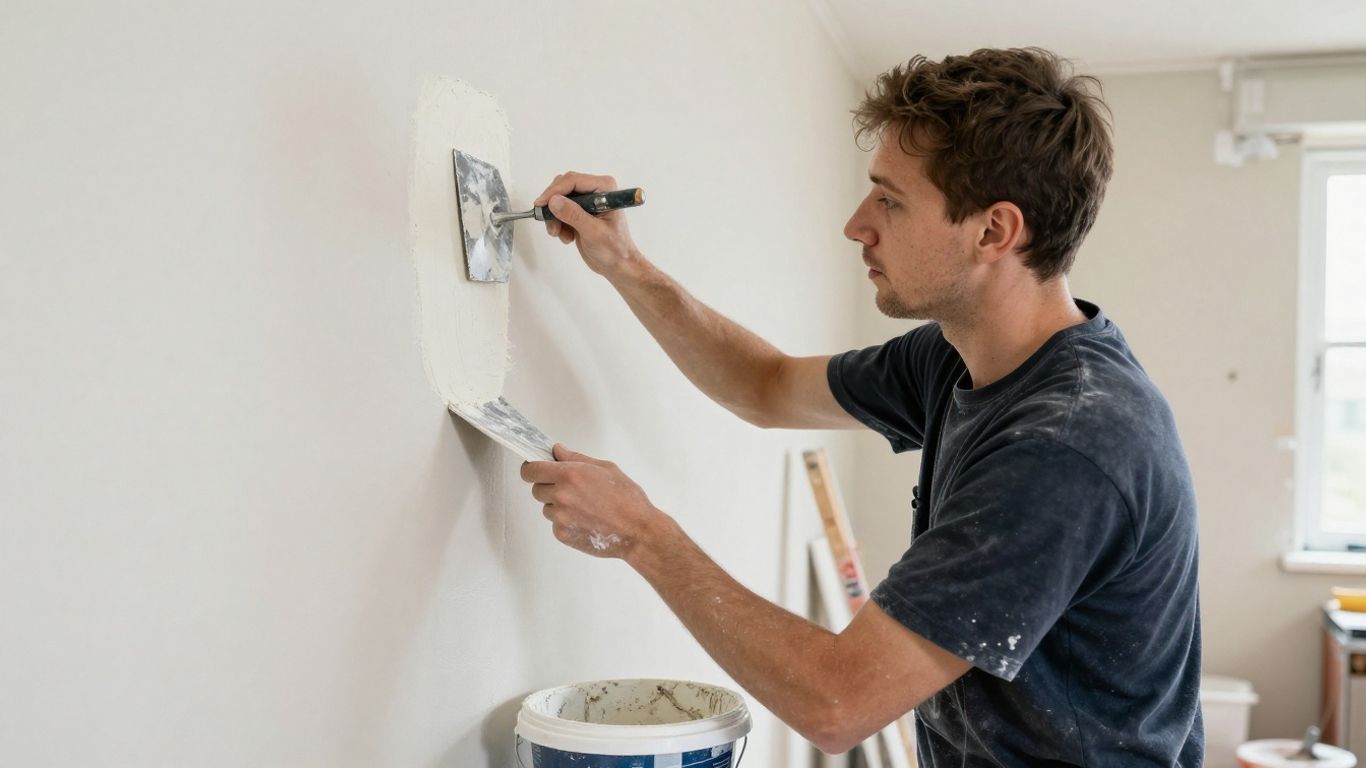
So, you’ve got a quote for plastering your room, and it seems reasonable. But hold on a second, are there other costs you might be forgetting? It’s not always just about the plaster itself. Sometimes, you’ve got to factor in the bits and bobs that come along with the job, especially if things aren’t straightforward.
Skip Hire and Waste Disposal Fees
If your plasterer needs to chip away old plaster, deal with crumbling lathe and plaster ceilings, or just generate a good amount of rubble, you’ll probably need a skip. Hiring one can add a chunk to your bill. Prices can vary quite a bit, but you’re looking at anywhere from £70 to £300 for a week’s hire, depending on the size of the skip and where you are. Sometimes, if you’re in a tricky spot, you might even need a permit, which can tack on another £15 to £50. It’s worth asking your plasterer if they can include this in their quote or if you need to sort it out yourself.
Costs for Decorator-Ready Finishes
Most plasterers aim to leave your walls smooth and ready for paint, but what exactly does ‘ready’ mean? If you’re after that super-smooth, almost polished finish that’s perfect for immediate painting, or if you need the plaster to dry really fast because you’re on a tight schedule, that might cost extra. Some plasterers might use special drying aids or just charge more for the extra effort to get it done quickly. Always clarify what level of finish you’re getting and if it’s truly ‘decorator-ready’ for your plans. You don’t want to be surprised when you go to paint and find it’s not quite there yet.
Damp Proofing and Specialist Treatments
This is a big one. If your walls are showing signs of damp – maybe it’s rising damp from the ground or penetrating damp from a leaky roof – you can’t just plaster over it. You’ll need specialist treatment first. This can get expensive, fast. Treating rising damp can add thousands to the bill, and even penetrating damp can cost around £900 or more, depending on how bad it is and how much area is affected. Make sure your plasterer checks for any damp issues and discusses whether any necessary treatments are included in their quote or if you need to hire a specialist for that part. Ignoring damp is a recipe for disaster down the line.
It’s always a good idea to get a few quotes for any additional work like damp proofing, as prices can differ significantly between specialists. Don’t just assume the plasterer’s quote for this is the best you can get.
Here’s a rough idea of what some of these extras might add:
Skip Hire: £70 – £300 per week
Permit Fees (if needed): £15 – £50
Specialist Damp Treatment (Rising Damp): Can be upwards of £3,250
Specialist Damp Treatment (Penetrating Damp): Around £900+
Express Drying Aids: Varies, ask your plasterer
Remember, these are just estimates, and actual costs in Bristol for 2026 could be higher or lower. Getting a clear, itemised quote is your best bet for avoiding surprises. If you’re just having a small area skimmed, you might not need most of these extras, but for a full room renovation, they become much more likely. For example, plastering a standard 20 m² wall might cost around £300-£500, but that usually doesn’t include dealing with major structural issues or extensive waste removal [ab60]. Always ask for clarification on what’s included.
Projected Timelines for Plastering Jobs
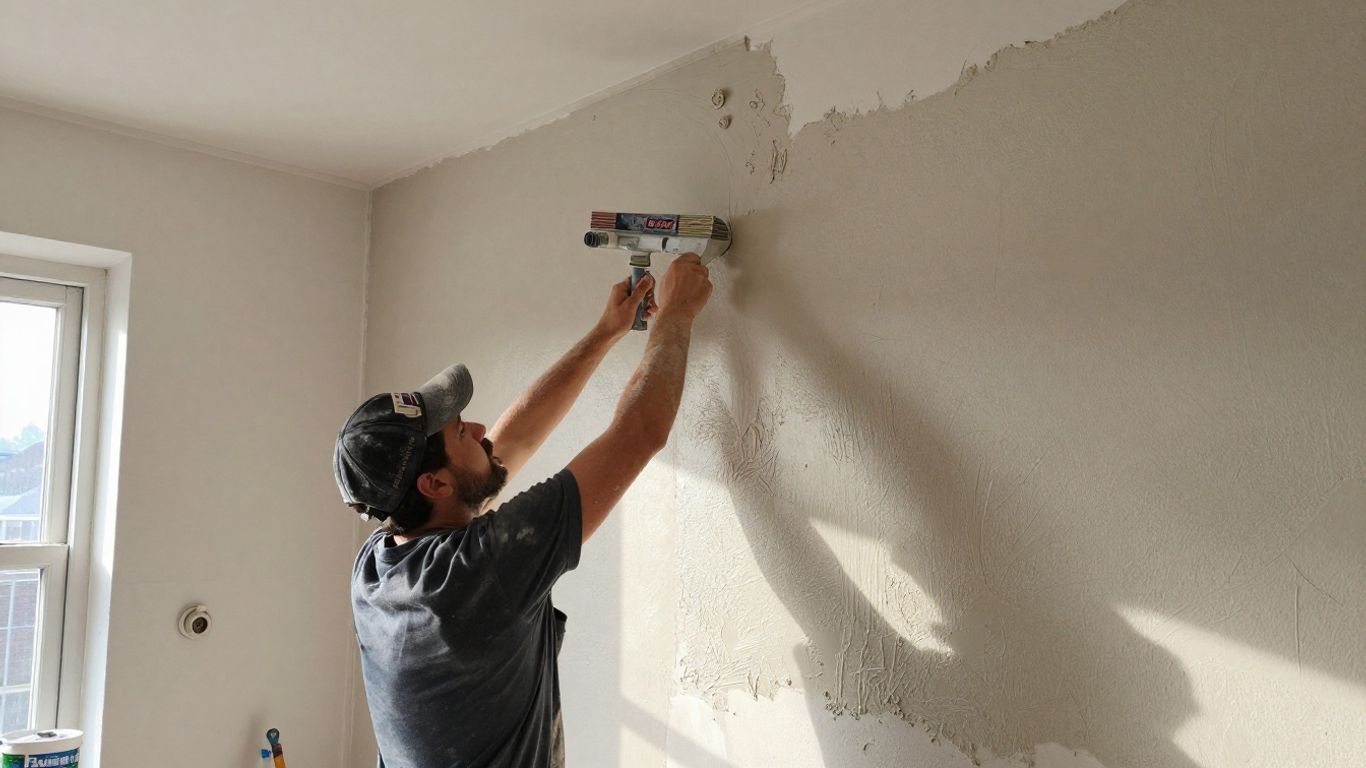
So, you’re wondering how long this whole plastering thing will take? It’s a fair question, and honestly, it’s not a one-size-fits-all answer. Several things play a role, but we can give you a pretty good idea of what to expect. The actual time can swing quite a bit based on the room’s size, the condition of the walls, and even the plasterer’s speed. It’s always good to have a rough timeline in mind so you can plan around the disruption.
Estimated Time for Small Rooms
For a smaller space, like a box room or a small bathroom, you’re generally looking at about one day for the plastering work itself. This assumes the walls are in decent shape and don’t need a ton of prep. If it’s just a quick skim over existing plasterboard, it might even be quicker. But remember, this is just for the plastering; drying time is a whole other story.
Duration for Medium and Large Rooms
Moving up to a medium-sized room, say a standard double bedroom, you’re probably looking at one to two days. For a larger area, like a living room or a big open-plan space, it could take two to three days. This accounts for more surface area and potentially more complex angles or features.
Factors Affecting Project Completion Time
There are a few key things that can really push these timelines around. First off, the condition of the walls is a big one. If there’s old, blown plaster that needs to be hacked off, or significant damage like cracks or holes, that adds a lot of extra time for preparation before any new plaster can even go on. Then there’s the type of job – a full two-coat plastering job will naturally take longer than a simple skim coat. Accessibility also matters; if the plasterer has trouble getting equipment in or needs to work around a lot of furniture, that can slow things down too. And don’t forget about drying times! While the plasterer might finish their work in a few days, the plaster itself needs to dry properly before you can paint or decorate. This can take weeks, depending on the weather and ventilation. If you’re in a rush, some plasterers might use drying aids, but this can sometimes cost extra.
Here’s a quick rundown of typical job durations:
Job Description | Estimated Timescale |
|---|---|
Small Room | 1 day |
Medium Room | 1 – 2 days |
Large Room | 2 – 3 days |
Plaster Patch Repair | 1 day |
Plaster Over Skim | 1 – 2 days |
It’s always wise to get a clear timeline from your chosen plasterer. They can give you a more precise estimate after seeing the job. Remember that these are just estimates for the application of plaster; the drying and curing process is separate and can take significantly longer before decorating can begin. A good plasterer will be able to provide you with a breakdown of their estimated working days and advise on the subsequent drying periods needed.
Comparing Plastering vs. Skimming Costs
So, you’re looking at getting your walls sorted and you’ve heard the terms ‘plastering’ and ‘skimming’ thrown around. What’s the deal? Are they the same thing? Pretty much, but not exactly. Think of skimming as a specific, lighter touch within the broader world of plastering.
Plastering, in its full sense, usually means applying a new base coat and a finishing coat. It’s what you’d do for bare brick or if your existing plaster is really shot – crumbling, cracked, or damaged by damp. It’s a more involved job, building up the surface from scratch or near scratch. Skimming, on the other hand, is applying a thin layer of plaster over an existing, sound surface. This could be old plaster that’s just a bit tired or new plasterboard. The goal here is to get a smooth, paint-ready finish without the full overhaul.
The main difference really comes down to the condition of your walls and what you’re trying to achieve.
Here’s a quick breakdown:
Full Plastering: This is for walls that need significant work. It involves applying a new base coat and then a finishing coat. It’s more time-consuming and, naturally, more expensive.
Skimming: This is a faster, more budget-friendly option for walls that are structurally sound but just need a smooth surface. It’s a single, thin coat applied over the existing surface.
When it comes to costs, skimming is generally cheaper. You’re looking at roughly £15 to £25 per square metre for skimming. A full replaster, however, can set you back £30 to £50 per square metre. It makes sense, right? Less material and less labour time for skimming means lower costs.
Cost of Skimming a Ceiling
Ceilings can be a bit trickier, literally because you’re working overhead. The average cost to plaster a ceiling in a typical UK room is estimated to be between £320 and £490 in 2026. This price often includes boarding if needed, plus the skimming itself. It’s a job that requires careful attention to detail and often special equipment to reach safely.
Cost of Skimming a Wall
For walls, the cost is usually calculated per square metre. As mentioned, skimming a wall typically falls in the £15 to £25 per square metre range. So, if you have a medium-sized room with walls needing a refresh, you might be looking at a total cost of around £400 to £500 for skimming the walls alone. This is a great option if your walls are in decent shape but just need that smooth, clean look.
When to Choose Skimming Over Full Plastering
So, when do you opt for skimming instead of a full plaster job? It’s all about the existing surface. If your walls are solid, without major cracks, significant damp issues, or crumbling plaster, skimming is likely your best bet. It’s a fantastic way to update the look of a room, get rid of minor imperfections, and prepare for painting without the expense and mess of a full replaster. If the existing plaster is sound, skimming is usually the way to go. However, if you’re seeing deep cracks, signs of damp, or the plaster feels loose, it’s time to call in a professional to assess if a full replaster is needed. You can find tradespeople who can help with this here.
Deciding between plastering and skimming really boils down to the health of your existing walls. Skimming is a cosmetic fix for sound surfaces, while full plastering is a structural repair for damaged ones. Always get a professional opinion if you’re unsure.
Wrapping Up the Plastering Costs in Bristol
So, when all’s said and done, figuring out the exact cost to plaster a room in Bristol for 2026 isn’t a simple one-size-fits-all answer. We’ve seen that prices can really swing depending on the size of the space, the condition of the walls, and whether you’re just doing a quick skim or a full replaster. Remember to factor in potential extras like waste disposal or if you need the job done super fast. Getting a few quotes from local plasterers is definitely the way to go to get a clear picture for your specific project. It’s a bit of an investment, sure, but a good plaster job makes a huge difference for how your room looks and feels afterwards.
Frequently Asked Questions
What factors influence the cost of plastering a room in Bristol?
Several things affect how much plastering costs. The size of the room is a big one, as is the condition of the walls – if they’re damaged or uneven, it’ll cost more. Also, how easy it is for the plasterer to get to the walls and ceilings matters. Location plays a part too; prices can be higher in busier areas.
How much does it typically cost to skim a wall or ceiling?
Skimming is usually cheaper than a full plaster job because it’s just a thin layer over what’s already there. For a wall, you might expect to pay around £15 to £25 per square metre. For a ceiling, costs can range from about £250 to £450 for a medium-sized one.
What’s the difference in price between plastering and skimming?
Plastering usually involves applying thicker layers of plaster, especially if the walls are in bad shape or need a full rebuild. Skimming is just a smooth, thin coat applied over existing plaster or plasterboard. Because it uses less material and often less time, skimming is generally less expensive than a full plastering job.
How long does it take to plaster a room?
The time it takes depends on the room’s size and the work needed. A small room might take about a day. For medium to larger rooms, it could take two to three days. This doesn’t include drying time, which is also important.
Are there extra costs I should be aware of besides the plasterer’s fee?
Yes, there can be. If old plaster needs to be removed, you might need to pay for a skip to haul away the debris. If you want a super smooth finish ready for painting right away, that might cost a bit more. Also, if there’s dampness in the walls, special treatments will add to the total cost.
What does a plasterer’s daily rate usually include?
A daily rate typically covers the plasterer’s labor for about 8 hours. It usually doesn’t include the cost of materials like plaster, plasterboard, or primer. You might also have to pay extra for waste disposal, scaffolding if needed for high areas, and sometimes VAT.