
Thinking about sprucing up your home? Walls can make a big difference, but sometimes they need a little help. You might have heard terms like skimming and plastering thrown around, and honestly, they can sound pretty similar. But they’re not quite the same thing. Understanding what each one involves can help you figure out what your walls actually need. Whether it’s a quick refresh or a more involved repair, knowing the difference is the first step to getting that smooth, finished look you want. Let’s break down what wall plastering really means.
Key Takeaways
Skimming applies a thin layer of plaster over an existing surface for a smooth finish, while traditional plastering builds up a thicker base layer, often on bare walls.
Skimming is ideal for covering minor imperfections, refreshing old walls, or preparing new plasterboard, whereas full plastering is needed for significant damage or structural repairs.
Signs your walls need attention include cracks, unevenness, flaking paint, or damp patches, indicating a need for either skimming or plastering.
The process involves surface prep, applying plaster coats, and careful smoothing, with proper drying time being vital before painting.
Costs vary based on the job’s scale and type (skimming vs. plastering), with skimming generally being more affordable.
Understanding Wall Plastering Services
When you’re thinking about refreshing your home’s interior, the walls are usually the first thing you notice. They set the tone for the whole room, right? But sometimes, they’re not looking their best. That’s where plastering services come in. It’s not just about slapping some mud on the wall; there are different ways to get that smooth, finished look.
Skimming Versus Traditional Plastering
So, what’s the difference between skimming and traditional plastering? Think of skimming as a quick fix for a smooth finish. It’s applying a very thin layer of plaster, usually just a couple of millimeters thick, over an existing surface. This is great for making old, slightly damaged, or uneven walls look brand new without a complete overhaul. It’s often the final step after plasterboarding or when you want to refresh existing plaster. Traditional plastering, on the other hand, is a more involved process. It typically involves applying thicker coats of plaster to build up a new, solid base, especially on new builds or when dealing with significant damage. It’s about creating the foundation, not just the final look.
When Skimming Is The Right Choice
Skimming is your go-to when your walls are basically sound but just need a facelift. It’s a cost-effective way to achieve a perfectly smooth surface ready for paint or wallpaper. You might choose skimming if you have new plasterboard that needs finishing, or if your existing plaster has minor imperfections like small cracks, dents, or an old, textured finish like Artex that you want to cover up. It’s also a good option if you’re redecorating and the current plaster is in decent shape but just not smooth enough for your liking. It’s all about getting that clean canvas without the expense and mess of a full replaster. You can find more details on what skimming involves.
Signs Your Walls Need Attention
How do you know if your walls are crying out for some plastering attention? Keep an eye out for a few tell-tale signs. Cracks, especially if they’re spreading or look like they’re getting worse, are a big indicator. You might also notice bubbling or peeling paint, or wallpaper that just won’t lie flat. If parts of the plaster are crumbling or feel soft, that’s definitely a red flag. Even if the surface looks okay at first glance, if it’s uneven or has a texture you want to get rid of, skimming can make a world of difference. Addressing these issues early can save you a lot of hassle and money down the line.
Sometimes, what looks like a simple cosmetic issue can point to a deeper problem. It’s always worth checking for underlying dampness or structural concerns before deciding on the best plastering approach.
The Skimming Process Explained
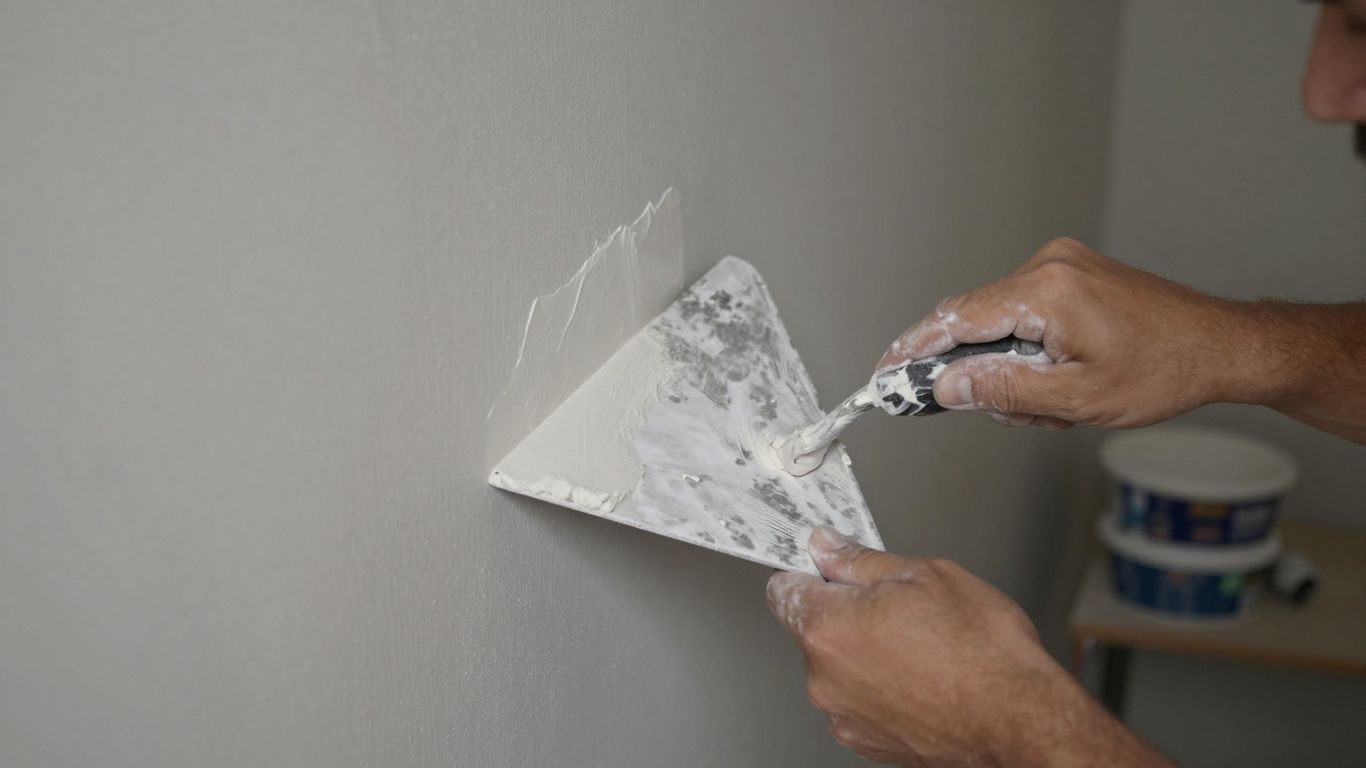
So, you’re thinking about skimming your walls? It’s a pretty common way to get that smooth, fresh look without the hassle of a full replaster. Basically, skimming is applying a thin layer of plaster over an existing surface. It’s not about building up a thick base, but rather about creating a clean canvas. This process is usually done in a few key stages, and getting each one right makes a big difference in the final result.
Surface Preparation Essentials
Before any plaster even touches the wall, the surface needs to be ready. This is super important. If you skip this, the new plaster might not stick well, or you could end up with problems down the line. First off, you’ve got to clean the walls. Get rid of any dust, grease, or loose bits. If there are any cracks or holes, they need filling. For really old or questionable surfaces, a bonding agent might be applied to help everything adhere properly. It’s all about making sure the wall is stable and clean for the skim coat.
Applying The Skim Coat
Once the prep work is done, it’s time for the actual plaster. A thin layer, usually just a couple of millimeters thick, is applied using tools like a trowel. This is the “skim coat.” The plasterer will spread it evenly, working it across the surface. They might do this in one or two passes, depending on the condition of the wall and the type of plaster used. The goal here is to cover up imperfections and create a uniform surface. It’s a bit of an art, really, getting it smooth and consistent.
Achieving A Flawless Finish
After the skim coat is on, the real magic happens as it starts to set. This is when the plasterer goes back over it with their tools, smoothing and refining the surface. They’ll feather the edges and make sure there are no high spots or trowel marks. The aim is a surface so smooth it’s ready for paint or wallpaper without any further sanding, though a light touch-up might be needed. Sometimes, a final, light pass with a clean trowel can give it that extra polish. Once it’s fully dry – and this can take a few days depending on the conditions – you’ll have walls that look brand new.
When To Choose Full Wall Plastering
Sometimes, a quick skim coat just isn’t going to cut it. If your walls are looking pretty rough, you might need to think about a full plastering job. This is where we build up a whole new base layer, kind of like giving your walls a fresh start from scratch. It’s a bigger job, for sure, but it’s the way to go when things are seriously damaged or you’re aiming for a really solid, long-lasting finish.
Addressing Significant Damage
When you’ve got more than just a few hairline cracks, it’s time to consider full plastering. Think large cracks that look like they’re going to swallow a small car, sections where the plaster is crumbling away, or if the wall feels soft or hollow in places. These aren’t just cosmetic issues; they can mean the underlying structure is compromised. Trying to skim over this kind of damage is like putting a band-aid on a broken bone – it won’t fix the real problem and will likely fail down the line. Full plastering involves repairing any underlying issues and then applying a new, substantial layer of plaster to create a strong, even surface. It’s the best way to deal with walls that have seen better days.
Building A New Base Layer
Full plastering is essentially about creating a brand-new canvas. Unlike skimming, which is a thin finishing layer, plastering involves applying a thicker base coat, often called a ‘float’ coat, directly onto the brickwork or plasterboard. This base coat is crucial for leveling out significant undulations and providing a solid foundation. After this has set, a finishing coat is applied to achieve the desired smoothness. This multi-step process is what gives you that robust, durable finish that can last for decades. It’s the go-to method for new builds, major renovations, or when you’re dealing with walls that have been stripped back to the studs.
Restoring Structural Integrity
If your walls have suffered from serious issues like water damage, impact, or just plain old age, their structural integrity might be in question. Plaster isn’t just for looks; it plays a role in the wall’s overall stability. When plaster is blown, crumbling, or has large sections missing, it means the wall isn’t as strong as it should be. Full plastering, especially when combined with necessary repairs to the underlying structure, rebuilds that strength. It’s about making sure your walls are not only smooth and ready for paint but also sound and secure. This is particularly important in older properties or after significant events that might have affected the building’s structure. For situations like this, traditional base coat plaster is ideal for achieving a smooth finish on entire walls [455a].
Here’s a quick rundown of when full plastering is usually the better option:
Major Cracks: Cracks wider than a few millimeters, especially if they run through the wall.
Crumbling or Spongy Plaster: If the plaster breaks apart easily or feels soft to the touch.
Widespread Water Damage: Areas affected by leaks or damp that have weakened the plaster significantly.
Uneven Walls: When the wall’s surface has major dips and bumps that skimming can’t correct.
New Plasterboard Installation: Often, new plasterboard needs a full plastering job to create a seamless finish.
Choosing full plastering is a more involved process than skimming. It requires more time, more materials, and generally a higher cost. However, for walls that are severely damaged or need a completely new, strong surface, it’s the only way to get a truly lasting and professional result. It’s an investment in the long-term health and appearance of your home.
Materials And Tools For Wall Plastering
Getting your walls ready for paint or wallpaper isn’t just about the skill of the person doing the work; it’s also about having the right stuff. Using the correct materials and tools makes a big difference, whether you’re a seasoned pro or just trying to fix up a small patch yourself. It helps things go smoother, faster, and usually leads to a much better final look.
Choosing The Right Plaster
The type of plaster you use really matters. It affects how easy it is to work with, how it dries, and how durable the finished wall will be. For most skimming jobs on existing walls or new plasterboard, a gypsum-based plaster like British Gypsum’s Thistle MultiFinish is a common choice. It’s pretty forgiving and dries reasonably quickly.
For older homes, you might see lime plaster used. It’s more breathable and can be better for historic buildings, but it’s often more expensive and takes longer to dry. There are also ready-mixed plasters available, which are super convenient for small repairs because you don’t have to mix them yourself. Just open the tub and go.
Essential Tools For A Smooth Finish
To get that nice, flat surface, you’ll need a few key tools. A good quality trowel is probably the most important. You’ll want one that feels right in your hand and has a flexible blade for spreading the plaster evenly. A plastering spatula or knife is also handy for applying plaster to smaller areas or for smoothing edges.
For applying the plaster to larger areas, a plastering float or squeegee can help get a consistent layer. You’ll also need buckets for mixing (if you’re not using ready-mix), a hawk (a flat board with a handle to hold plaster), and sponges for cleaning up and smoothing. Don’t forget sandpaper for any final touch-ups.
Preparing For The Job
Before you even think about mixing plaster, you need to get the area ready. This means protecting your floors and furniture with dust sheets or plastic sheeting. You’ll want to clear the space as much as possible so you can move around freely. If you’re working on a wall with old wallpaper, you’ll need to get that off first. Any loose paint or crumbling plaster should be scraped away. Proper surface preparation is key to a plasterer’s success.
If you’re dealing with old Artex ceilings, be aware that it might contain asbestos. It’s really important to get this tested before you start scraping or disturbing it, as asbestos fibers can be harmful if inhaled. Safety first, always.
Here’s a quick rundown of what you’ll generally need:
Plaster: Gypsum-based multi-finish is common for skimming.
Trowels: Various sizes for spreading and smoothing.
Spatulas/Knives: For edges and smaller areas.
Buckets: For mixing plaster and water.
Mixing Paddle: If using a drill for mixing.
Dust Sheets/Plastic Sheeting: To protect your belongings.
Scrapers: For removing old wallpaper or loose plaster.
Sponges: For cleaning and final smoothing.
Safety Gear: Gloves and eye protection are a good idea.
Cost Considerations For Wall Plastering
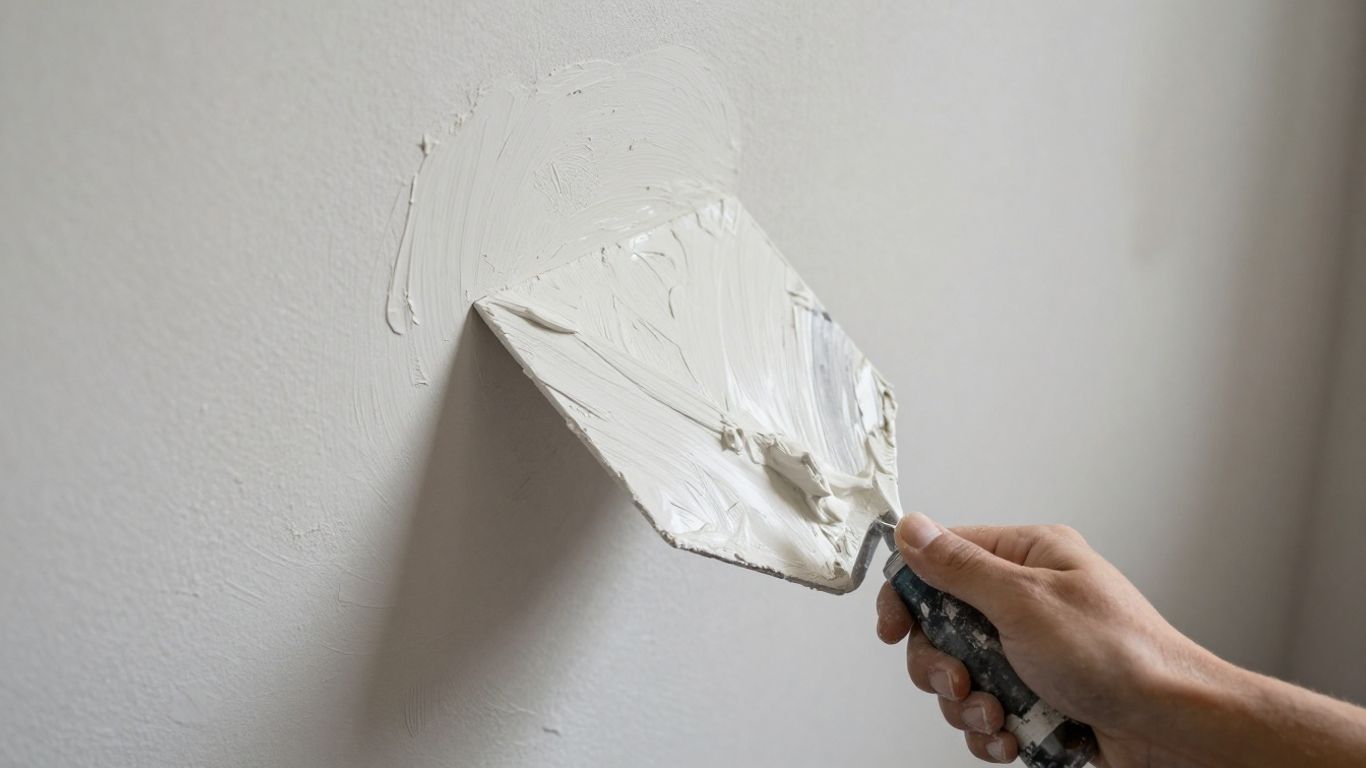
Alright, let’s talk about the money side of things when it comes to getting your walls looking smooth. It’s not always a straightforward number, and a few things can really change the final bill. You’ve got skimming, which is usually the lighter option, and then there’s full plastering, which is a bigger job.
Factors Influencing Project Costs
Several things play a role in how much you’ll end up paying. The size of the area is a big one, obviously. A small bathroom will cost less than a whole living room. Then there’s the condition of your walls. If they’re pretty good and just need a refresh, skimming is quicker and cheaper. But if there are big cracks, damp spots, or the old plaster is falling off, that means more work, more materials, and more time, which all add up. The type of plaster used can also make a difference, with some materials costing more than others. And don’t forget about labor rates in your area – they can vary quite a bit.
Estimating Skimming Expenses
Skimming is generally the more budget-friendly choice. Think of it as a fresh, thin coat over what’s already there. For a typical room, you might be looking at a few hundred pounds, maybe around £480 for a medium-sized space. This usually covers the plaster itself and the labor, which often doesn’t take too long, maybe a couple of hours for a pro. It’s a good way to fix minor imperfections and get a nice, clean surface without a massive overhaul.
Budgeting For Full Plastering
Now, full plastering is a different ballgame. This is when you’re essentially rebuilding the wall surface, maybe because of serious damage or if you’re starting from scratch. This kind of job takes longer, often a few days, and uses more material. So, the cost jumps up. For that same medium-sized room, you could be looking at closer to £755 or more. It’s a bigger investment, but sometimes it’s the only way to get the walls back in shape and ensure they’re solid.
It’s always a good idea to get a few quotes before you commit. This way, you can compare prices and see what different plasterers are charging for similar work. Don’t just go for the cheapest option; make sure they have good reviews and experience.
Here’s a rough idea of what you might expect:
Skimming: Generally £10-£15 per square meter.
Full Plastering: Typically £15-£30 per square meter.
Remember, these are just estimates. Unexpected issues, like discovering hidden problems behind the plaster, can always add to the final cost. It’s wise to have a little wiggle room in your budget for those ‘just in case’ moments.
Hiring Professional Wall Plastering Services
So, you’ve decided to get your walls looking sharp, whether it’s a quick skim or a full plaster job. That’s great! But when it comes to actually getting it done, especially if you’re not exactly a DIY wizard, bringing in the pros makes a lot of sense. It’s not just about slapping some plaster on; there’s a real skill to it that can make all the difference in how your home looks.
What To Look For In A Tradesperson
Finding the right person for the job can feel a bit overwhelming. You want someone who knows their stuff, right? Look for plasterers who specialize in this kind of work and have a solid history of good jobs. Checking out online reviews or asking friends and family for recommendations is a smart move. It’s also a good idea to see if they have any certifications or are part of professional groups. Being insured is a big one – it means they’re serious about their work and it protects you too.
Getting Accurate Quotes
Don’t just go with the first person you call. It’s wise to get a few different quotes. This helps you get a feel for what a fair price looks like in your area and lets you compare what each person is including in their estimate. Make sure the quote is detailed, listing out all the work they plan to do. This way, there are fewer surprises down the road.
Here’s a rough idea of what you might expect for costs, though remember these can change:
Service | Estimated Cost (per sq metre) |
|---|---|
Skimming | $12 – $18 |
Full Plastering | $18 – $35 |
Remember, these are just ballpark figures. The actual cost can go up if there’s a lot of prep work needed, like fixing big cracks or dealing with dampness.
Ensuring Quality Workmanship
How do you know if the job will be done well? Ask about their process. A good plasterer will always talk about preparing the surface properly – that’s half the battle. They should also be clear about drying times before painting.
A truly professional job isn’t just about the final smooth surface; it’s about the preparation, the application, and the attention to detail throughout the entire process. It’s about leaving your home clean and tidy, too.
Don’t be afraid to ask questions. A good tradesperson will be happy to explain what they’re doing and why. Ultimately, you want someone who takes pride in their work and leaves you with walls you’ll be happy with for years to come.
Wrapping Up Your Plastering Project
So, whether you’re looking to smooth out some old, tired walls with a skim coat or need a full plaster job to fix some serious damage, knowing the difference is key. Both skimming and plastering can make a huge difference in how your home looks and feels, giving you that clean, fresh start for painting or wallpaper. It’s not always a DIY job, and sometimes calling in the pros is the best way to get that smooth finish you’re after. Think about what your walls need, get a few quotes, and get ready to enjoy your newly finished space.
Frequently Asked Questions
What’s the main difference between skimming and plastering?
Think of plastering as building a whole new wall surface, applying a thicker layer of plaster to fix big problems or create a base. Skimming is like giving that existing surface a smooth, thin new coat of paint, covering up small flaws and making it look fresh without the heavy work.
When should I choose skimming over full plastering?
Skimming is your go-to when your walls are mostly okay but have minor issues like small cracks, dents, or just look a bit tired. It’s also great for covering new plasterboard. If your walls are falling apart, have huge holes, or are really uneven, then full plastering is probably the better, stronger choice.
How do I know if my walls need attention?
Keep an eye out for cracks, especially if they’re spreading. If paint is peeling off, wallpaper is bubbling, or you see any signs of dampness or mold, your walls are definitely telling you they need some help. Uneven spots where paint or wallpaper doesn’t stick well are also a clue.
What materials and tools are needed for skimming?
For skimming, you’ll need a good trowel and maybe a taping knife to spread a thin layer of finishing plaster, like gypsum plaster. You’ll also want to protect your floors and furniture with dust sheets. For bigger jobs, professionals use special tools to get it super smooth.
How much does it cost to skim or plaster a room?
Skimming is usually cheaper because it uses less plaster and takes less time. You might pay around £10-£15 per square meter for skimming. Full plastering can cost more, maybe £15-£30 per square meter, especially if there’s a lot of repair work needed first. Prices can change based on your location and how big the job is.
What should I look for when hiring a plasterer?
You want someone experienced who specializes in plastering. Check online reviews or ask friends for recommendations. It’s smart to get a few different quotes to compare prices and see what each person offers. Make sure they are insured, too, for peace of mind.